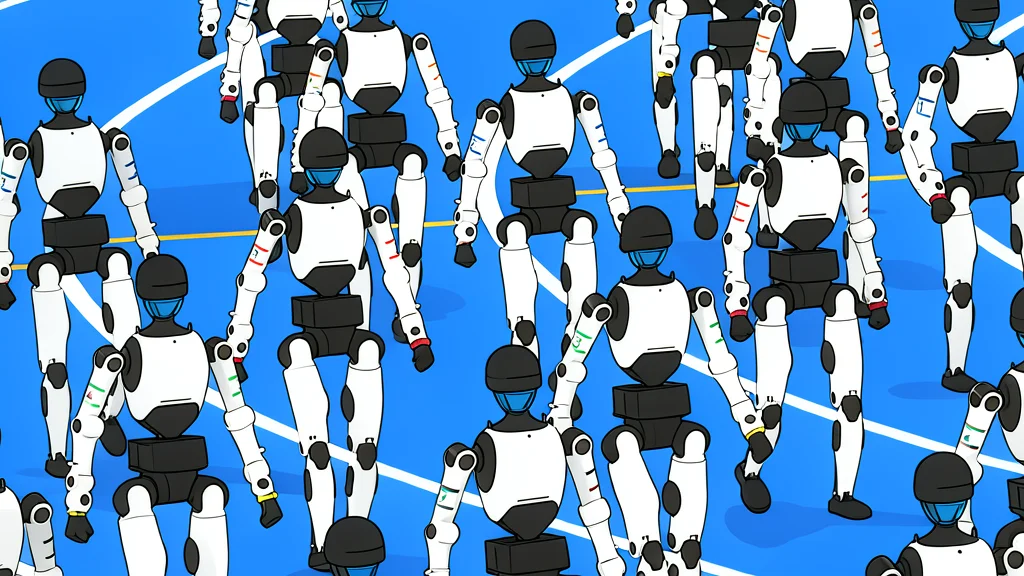
Zinova's New Approach to Construction Robotics
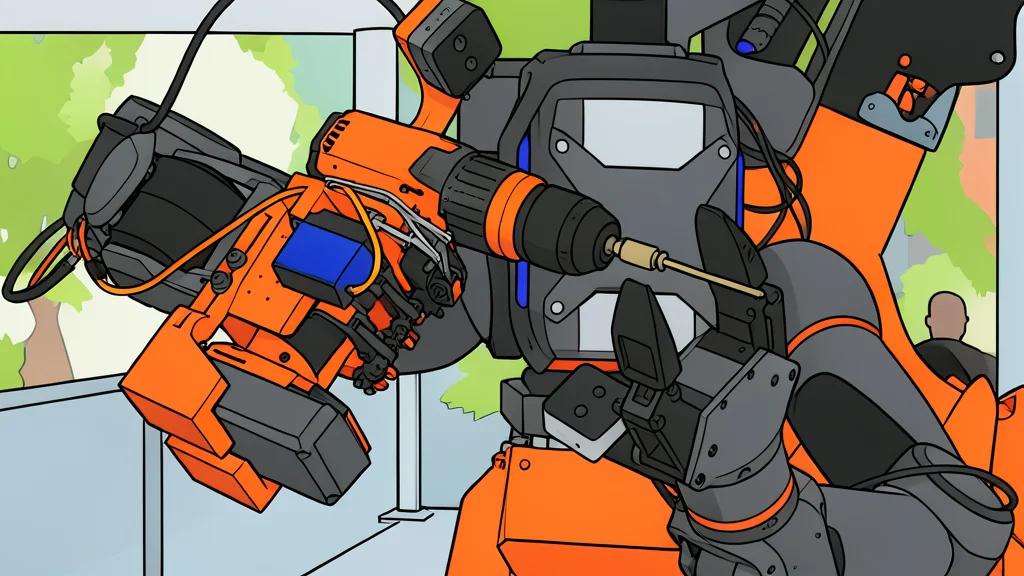
A San Jose startup is challenging the industry focus on dexterous hands by prioritizing tool intelligence and force feedback for construction tasks.
Construction has long been considered the toughest environment for robotics, a field often described as the graveyard of automated efforts. However, a San Jose startup named Zinova is proposing a different path forward. Rather than building a humanoid robot with complex, human-like fingers, the company is focusing on a system that allows machines to effectively use standard power tools. This approach shifts the priority from mimicking human dexterity to solving the practical problem of force and control.
Zinova, a spinoff of RIC Robotics, does not sell the robot itself but rather the 'Tool Intelligence' software and hardware interface that enables various machine forms to operate existing contractor equipment. The core idea is that most construction tools are designed for a simple grip-and-trigger mechanism, meaning a robot does not need a five-fingered hand to use a drill or a saw. By treating the tool and the robot arm as a single unit, the company aims to create a more stable and cost-effective solution for building infrastructure.
Rethinking The Robotic Hand
The current consensus in robotics is that the lack of a dexterous hand is the primary bottleneck. Significant investment is currently flowing into manipulators with tendons and tactile skins that mimic human fingers. Zinova takes a contrarian view, arguing that this complexity is unnecessary for most construction jobs. Their system uses a rigid grasper that clamps onto the tool’s pistol grip, effectively tying the device to the end of the robot arm. This simplification allows the machine to focus on stability and precision rather than complex finger movements.
CEO Ryan Cox emphasizes that a robot without a specific job is merely a toy. By standardizing the interface for tools like drills, nail guns, and sprayers, the company can apply the same intelligence across different machinery. This strategy reduces the need for custom hardware for every task, making the technology more accessible to general contractors who already own these tools. The approach is deliberately unromantic, stripping away the human-like form factor to focus purely on functional output.
Sensing Force And Resistance
The critical innovation lies in how the robot perceives its work. Cameras can see the position of a drill, but they cannot feel the resistance of the material. Zinova’s system includes a feedback sensor called TEISI, which captures force, torque, vibration, and contact data. This allows the machine to detect when a drill bit is about to bind or when a surface is uneven, similar to how a carpenter feels the load in their wrist. This sensory feedback is essential for performing skilled tasks safely and accurately.
According to founder Ziyou Xu, this capability allows the physical form of the robot to change while the intelligence to use tools remains constant. The sensor data provides the real-time information needed to adjust pressure and speed, preventing damage to materials and ensuring consistent results. This focus on haptic feedback addresses a major gap in previous construction robots, which often struggled with the dynamic forces involved in drilling, cutting, and fastening.
Flexible Form Factors For Jobs
The robots used in Zinova’s demonstrations are vaguely humanoid, featuring arms and a head-mounted camera, but they are mounted on mobile bases rather than legs. The company stresses that the appearance of the robot is irrelevant to its function. What matters is the ability to deliver a tool to the right place at the right time. Their current design allows for a reach of 15 to 30 feet, providing the stability and speed needed for large-scale construction projects like tilt-up concrete panels.
This modularity means the technology can be adapted to various platforms, from stationary industrial arms to mobile units. By decoupling the intelligence from a specific body shape, Zinova creates a scalable solution for the construction industry. The trade-off is a less autonomous, human-like appearance, but the gain is a highly effective, robust system for handling the heavy tools that define modern building. As reported by GN auto tech/robotics, this represents a significant shift in how we define progress in construction automation.