1947 Sunspot Analysis Shows Sun Can Produce Century-Long Superflares
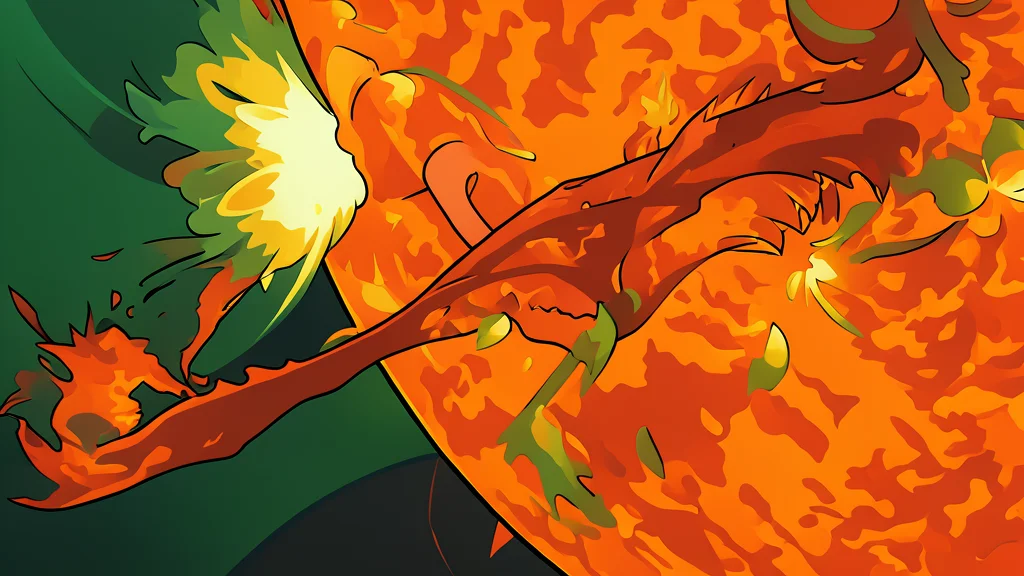
New research indicates the Sun's capacity for extreme energy releases was likely underestimated, posing potential risks to modern technology.
Key points
- The 1947 Great Sunspot had sufficient stored energy to potentially generate a superflare, a classification above 10^34 ergs.
- Research suggests the Sun can produce such extreme events roughly once every century, similar to other Sun-like stars.
- A superflare directed at Earth could cause severe damage to power grids, satellites, and the ionosphere.
Scientists have concluded that our Sun is capable of generating a superflare, an event significantly more powerful than any recorded in modern history. This finding challenges the long-held assumption that such extreme stellar eruptions are exclusive to other stars. The potential for such an event carries serious implications for Earth's technological infrastructure, from power grids to satellite communications.
The conclusion is based on the re-examination of the Great Sunspot of 1947, the largest observed since the Carrington event of 1859. Researchers at the Max Planck Institute for Solar System Research determined that this massive region of magnetic activity had the stored energy required to trigger a superflare. Although no such eruption was directed at Earth in 1947, the analysis suggests the star holds the necessary fuel for these extreme bursts.
Defining the limits of solar energy
A superflare is defined as an event with energy exceeding 10 to the 34th power ergs. To put this in perspective, this is roughly 200 times the energy released by the asteroid impact that ended the Cretaceous period. While the Sun outputs this amount of energy in just a few seconds across its entire surface, concentrating it into a single sunspot takes significantly longer. A 2024 model suggested this accumulation process could take up to eight years.
Evidence from giant stellar spots
The 1947 sunspot was approximately 40 times wider than Earth and covered 0.6 percent of the solar surface. It may have been more than twice the width of the spot associated with the 1859 Carrington event. Researchers estimate that if this spot had released its energy as a flare, it could have exceeded the threshold for a superflare. This specific incident provides the most direct evidence that our Sun can build up the necessary conditions for such an event.
Frequency and technological risks
A related study analyzing over 56,000 Sun-like stars suggests that superflares on such stars occur approximately once every century. If this frequency applies to our Sun, the probability of experiencing one during a human lifetime is non-negligible. The primary trade-off for modern society is the vulnerability of electronics; a direct hit could cause widespread blackouts, damage satellites, and disrupt global communication networks. The catch is that while the Sun has the potential, it has not been observed releasing a confirmed superflare in the recorded era.