Cylus Launches AI Tool to Address Rail Cybersecurity Gaps

A new intelligence layer aims to help rail security teams keep pace with AI-driven attacks by adding sector-specific context to existing tools.
Rail cybersecurity vendor Cylus has introduced Cylus.ai, a new tool designed to layer artificial intelligence onto existing security infrastructure. The system is built to help security teams interpret complex data and make faster decisions without replacing the software they already use. According to reporting by GN technics/ai (en-US), the launch comes as rail networks become increasingly connected and exposed to digital threats.
The company argues that generic security tools are no longer sufficient to defend critical rail infrastructure. Cylus.ai is positioned as a bridge between raw network visibility and actionable security responses. It claims to provide rail-specific expertise, allowing defenders to understand the context of alerts more quickly. This approach is intended to close the gap created by attackers who are already leveraging AI to operate at speeds that outpace human defenders.
Integrating AI into existing security stacks
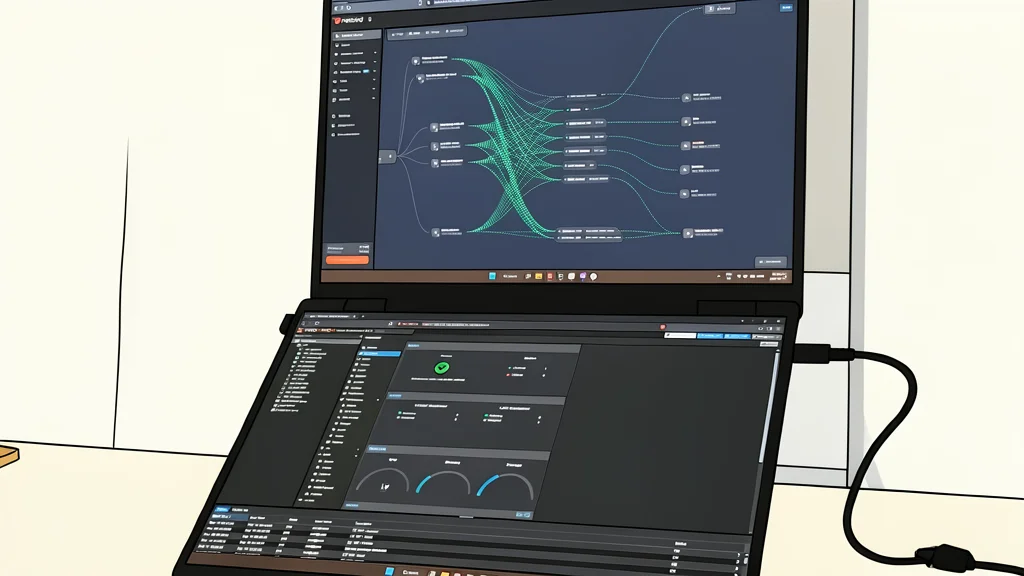
Cylus.ai functions as an intelligence layer that sits on top of the security tools operators already run. It integrates most deeply with CylusOne, the company’s flagship platform, which provides visibility into operational networks. By combining these two, the system aims to turn raw data into clear understanding and specific actions. The goal is to reduce the cognitive load on security teams, who often struggle to filter out noise from critical threats.
Advisory board brings transit leadership
To bolster its credibility, Cylus has appointed a trio of former transit leaders to its advisory board. The group includes Nuria Fernández, former U.S. Federal Transit Administration Administrator, and Josef Doppelbauer, former Executive Director of the European Union Agency for Railways. Mario Péloquin, former President and CEO of VIA Rail, also joins the board. Their combined experience spans decades of managing some of the world’s busiest transit systems, offering both policy and operational perspectives.
These appointments are designed to ensure the technology aligns with the real-world needs of rail operators. Fernández emphasized that safety depends on the unseen systems that keep trains moving. Doppelbauer brings deep knowledge of European regulatory standards and vehicle authorization. Their involvement signals a focus on practical application rather than theoretical cybersecurity, ensuring the tool addresses the specific challenges of the rail industry.
Balancing automation with human control
Despite the use of agentic AI, the company stresses that a human remains in control of all decisions. The system is designed to assist, not to replace, the judgment of security professionals. This trade-off is crucial in a critical infrastructure sector where autonomous actions could have severe physical consequences. The tool aims to speed up response times while maintaining the oversight required for safety and compliance.
The primary benefit for operators is access to specialized rail expertise without hiring a large team of niche security professionals. As regulatory pressure rises and the talent pool remains small, Cylus.ai offers a scalable solution. However, the effectiveness of the tool will depend on its ability to integrate seamlessly with diverse and often legacy systems used across different rail networks. The launch marks a significant step in applying AI to critical infrastructure defense.