Retirees in Taiwan Are Advised to Master Smart Home Tech
A recent column challenges the assumption that age disqualifies people from digital tools, suggesting that practical engagement is more valuable than theoretical understanding.
In Taiwan, a columnist has urged retirees to stop viewing their age as a barrier to adopting digital tools. The advice is straightforward: do not abandon technology, but instead treat it as a skill to be learned through gradual practice. The core argument is that the primary obstacle is not the inherent complexity of the devices, but the hesitation to take the first step.
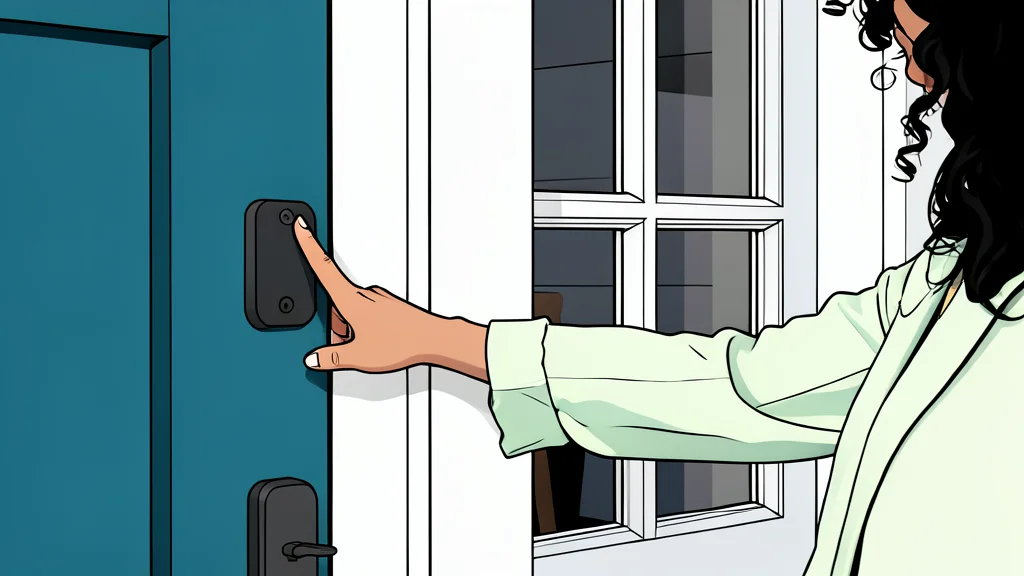
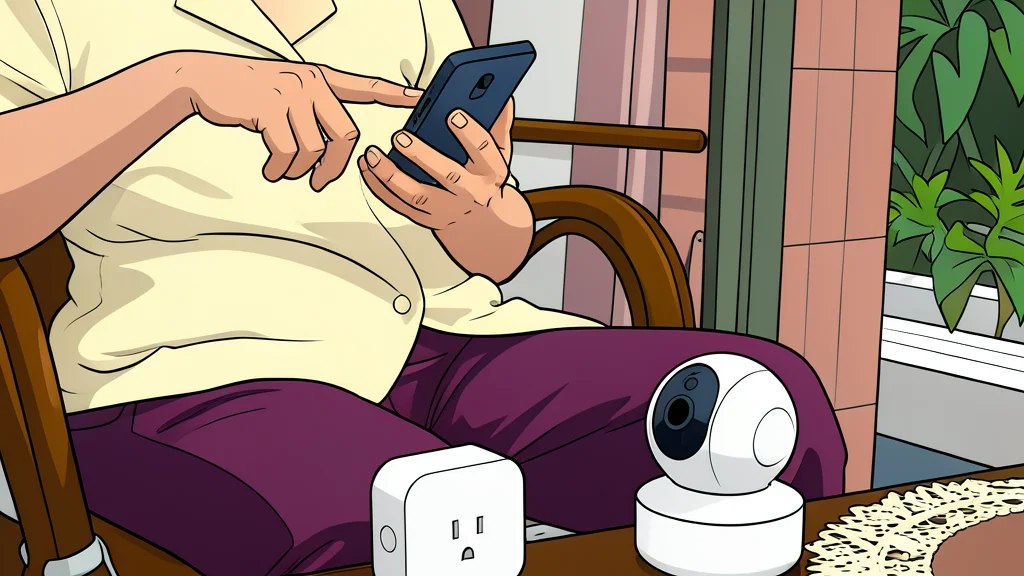
The perspective, highlighted by GN technics/smarthome, emphasizes that modern smart home components are designed for ease of use once the initial setup is complete. Devices such as cameras, smart locks, and sensors require only a few taps on a smartphone to integrate into daily life, shifting the focus from technical mastery to practical application.
Smart devices simplify daily safety
For many older adults, the appeal of smart home technology lies in its ability to enhance independence and safety. Smart cameras allow users to visually check on their homes and communicate with family members remotely. Meanwhile, smart outlets enable the remote switching off of appliances, reducing energy waste and fire risks.
Sensors add another layer of protection by sending immediate notifications if a door or window is opened unexpectedly or if a water leak is detected. These features transform passive infrastructure into active guardians, allowing residents to maintain a secure living environment without constant physical presence.
AI serves as a practical assistant
The column also addresses the intimidation factor often associated with artificial intelligence. According to the author, users do not need to understand the underlying technical principles of generative systems like ChatGPT or Gemini to benefit from them. Instead, these tools can be treated as conversational assistants for translation, information organization, and drafting text.
A particularly useful application mentioned is the ability to photograph unfamiliar technical devices and ask the AI for explanations. If the initial response is unclear, the advice is to rephrase the question and try again. This iterative process encourages experimentation rather than expecting immediate perfection, demystifying the interaction with complex software.
Learning through guided practice
The role of a mentor is crucial in this learning process. Rather than completing tasks on behalf of the learner, a mentor should provide direction when difficulties arise. This approach ensures that the retiree retains agency and builds genuine competence through trial and error.
Achieving small wins, such as successfully holding a conversation with an AI or setting up a remote camera, builds confidence. Ultimately, mastering these technologies after retirement is not about professional productivity, but about preserving independence, enhancing safety, and maintaining meaningful connections with family and the wider world.