Smart Panel Installation Fails Due to Misunderstood Wiring
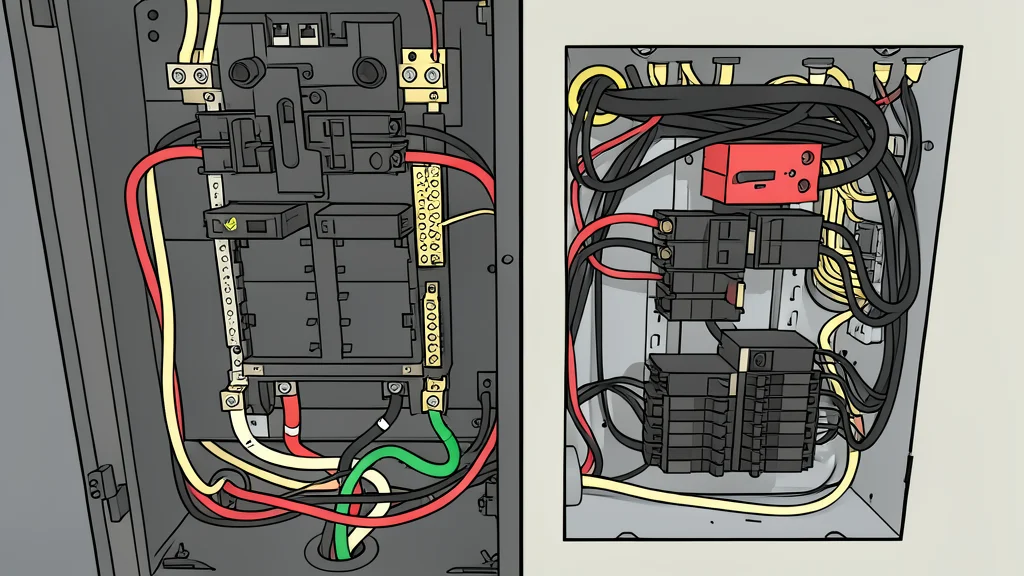
A homeowner paid for a smart backup power system but found two breakers disconnected and a stuck generator switch.
A homeowner who invested in a new smart electrical panel discovered a significant flaw after installation. The system, intended to provide reliable backup power and energy monitoring, contained two breakers that were not connected to any circuits. Additionally, the generator interlock mechanism was stuck and could not be operated as intended.
The issue was raised in an online community forum where the homeowner questioned the work performed by the electrician. The installer claimed the job was complete, but the homeowner noted that the panel was not functioning as a standard subpanel. The core problem lay in a fundamental misunderstanding of how smart panels manage load and backup power compared to traditional electrical setups.
Misunderstood Panel Functionality
According to reports from GN technics/smarthome (en-US), the electrician treated the smart panel like a conventional subpanel. In a standard setup, circuits are often transferred to a subpanel for partial backup. However, smart panels require specific branch breakers to be connected to the inverter or battery system to track usage and provide power during outages. The two unused breakers in this case meant that no load was actually backed up by the battery, rendering a key feature of the upgrade useless.
The generator switch presented another critical failure. The interlock kit, designed to safely connect a backup generator to the home's electrical system, was physically obstructed. The large grid and generator connections protruded from the panel, preventing the interlock from sliding into place. This mechanical blockage creates a safety risk, as the interlock is essential to prevent back-feeding electricity into the grid during an outage.
Community Experts Flag Errors
Online community members who reviewed the installation details were critical of the workmanship. One commenter bluntly stated that the wiring needed correction and that the electrician should have read the product manual. Another suggested that the homeowner might need to hire a new installer to fix the issues, potentially leading to additional costs and legal disputes over the original work.
Experts pointed out that the smart panel is not a simple transfer switch. It requires precise configuration to ensure that the desired circuits are monitored and powered during outages. The failure to connect the breakers to actual loads means the homeowner is paying for smart features and battery capacity that cannot be utilized. This highlights a gap in understanding between installers and the specific requirements of modern smart electrical systems.
Costs of Poor Installations
The trade-off in this scenario is significant. Homeowners often upgrade to smart panels to gain control over energy usage and ensure critical appliances remain powered during grid failures. However, a poor installation negates these benefits. The homeowner now faces the prospect of repeat labor costs to correct the wiring and potentially replace components. The delay in having functional backup power also leaves the household vulnerable during potential outages.
This case underscores the importance of verifying that installers are familiar with the specific technology they are deploying. Smart electrical gear is only as useful as the plan and workmanship behind it. Homeowners should ensure that their installers understand the difference between standard subpanels and smart panels, and that all components, including interlocks and breakers, are correctly configured and tested before the job is considered complete.