Virginia Home Integrates Audio and Video into Architecture
A four-year project in Northern Virginia demonstrates how deep integration can make technology disappear into the structure of a home, creating a seamless environment for daily life.
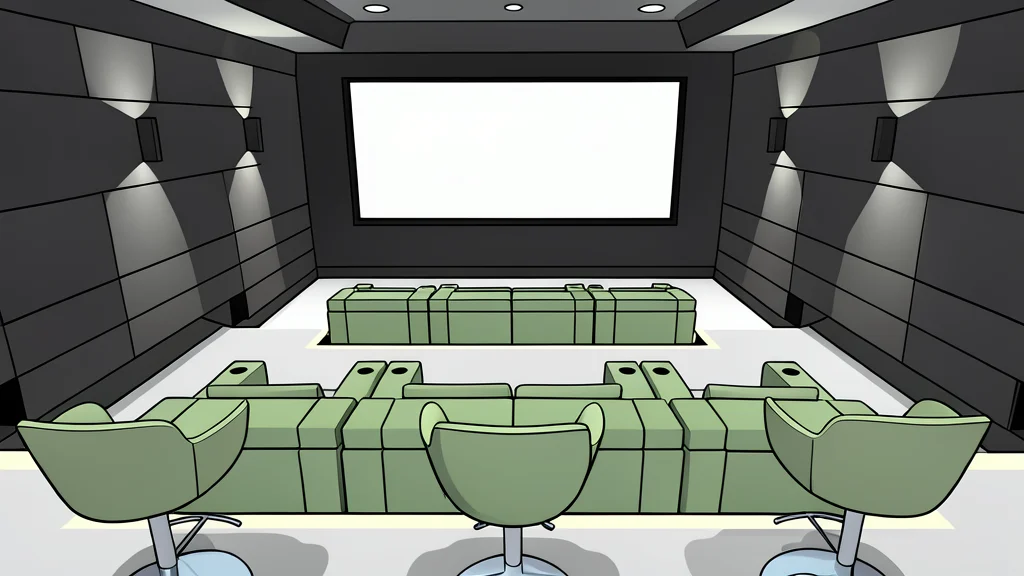
In a five-bedroom estate in McLean, Virginia, audio and video systems are woven directly into the building’s fabric rather than added as separate devices. The property spans more than 12,000 square feet and features fourteen distinct audio zones alongside ten video displays. This setup allows residents to experience immersive media in almost any room, from a dedicated games area to a central great room, without visible wires or bulky equipment cluttering the space.
The project, detailed by GN technics/smarthome (en-US), took four years to complete. During this period, the integrator worked closely with architects and designers to plan every technical pathway before construction was finalized. This early involvement ensured that speaker placements and display mounts were hidden within the millwork and ceilings, resulting in a home where the technology feels invisible rather than intrusive.
Infrastructure planned before construction
The success of the installation relies on infrastructure that was designed before the walls went up. The integrator collaborated with the architectural team to determine where wiring would run during the framing stage. This approach allowed for robust network capabilities and flexible expansion options that would have been difficult or costly to implement after the fact. By treating the technology as part of the structural blueprint, the team avoided the common issue of exposed cabling or compromised interior design.
The core of the system uses a Crestron DM-NVX platform to route 4K video and surveillance feeds to nine displays throughout the house. This is supported by an Araknis network infrastructure that ensures stable data transfer. The result is a setup that can handle high-demand tasks, such as streaming multiple video sources simultaneously in different rooms, without performance degradation.
Control designed for daily simplicity
The user interface prioritizes ease of use over complex functionality. A centralized Crestron Home platform manages lighting, climate, and media through touchscreens and voice commands. The system is designed to operate as a single cohesive unit, allowing residents to dim shades, adjust temperatures, and monitor entry points with simple interactions. This unified approach reduces the cognitive load on users, making the home feel intuitive rather than technically demanding.
Voice control was introduced selectively to complement, not replace, touchscreen interactions. The system uses Josh.ai for natural language commands, such as adjusting lighting scenes or turning off all devices. However, the integrator implemented guardrails to prevent voice assistants from controlling every function, ensuring that critical systems remain accessible via physical interfaces. This trade-off limits the scope of voice control but increases reliability and user confidence in the system.
Privacy and surveillance trade-offs
The home includes extensive surveillance capabilities, with camera feeds routed to every display in the property. This feature is particularly useful for the family, as one parent travels frequently and has a young child at home. The ability to monitor visitors at the front door or check on children from any room provides a sense of security. However, this level of connectivity means that personal data and video feeds are constantly accessible across multiple devices, requiring careful management of privacy settings.
While the system offers significant convenience, the trade-off is a high dependency on network stability. If the central processing unit or network infrastructure fails, multiple functions, including lighting, climate control, and security, could be disrupted. The invisible nature of the technology also makes troubleshooting more complex, as users cannot easily identify which specific component is causing an issue. This requires a higher level of technical support and maintenance compared to standalone devices.