Why Your Smart Home Sensors Die so Fast

Most smart home sensors fail within months due to inefficient Wi-Fi connections. Switching to low-power protocols like Zigbee or Z-Wave can extend battery life to several years, eliminating the need for frequent maintenance.
For many homeowners, the promise of a smart home comes with an unwelcome maintenance routine: climbing ladders every few months to replace tiny coin cell batteries in door and window sensors. This frequent upkeep stems largely from a design flaw in retail starter kits, which often prioritize Wi-Fi connectivity over energy efficiency. Wi-Fi technology is built for high-speed data streaming, causing sensors to burn through their small power sources rapidly just to maintain a connection to the internet.
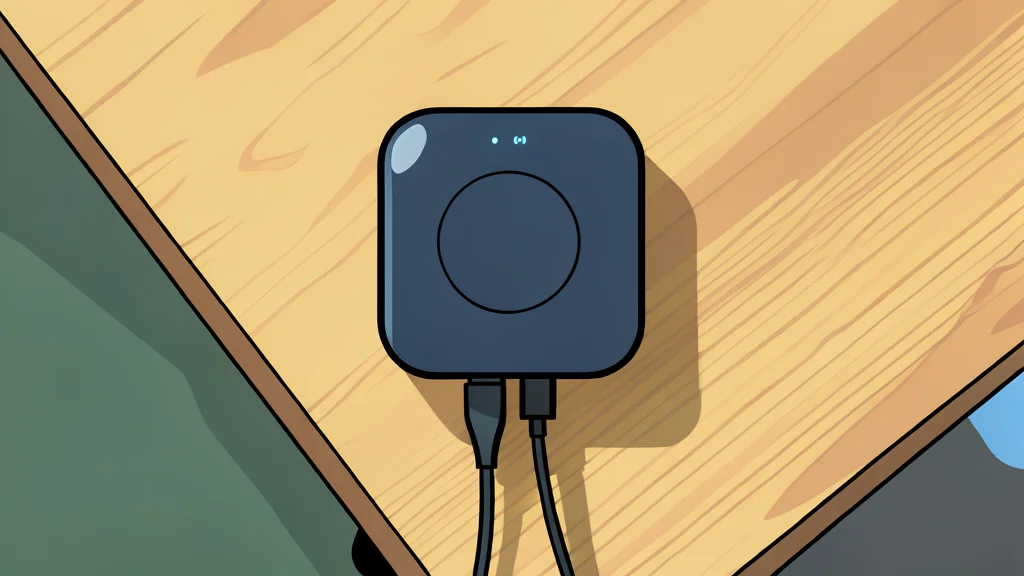
A more robust approach involves abandoning Wi-Fi for these specific devices in favor of ultra-low-power radio protocols. By switching to standards like Zigbee 3.0 or Z-Wave Long Range, the physical demands on the battery drop significantly. This shift allows sensors to remain in deep sleep mode for years, waking only for brief moments to transmit critical data, thereby turning battery replacement from a seasonal chore into a rare, multi-year event.
Wi-Fi Drains Power Instantly
The core issue lies in the physics of how Wi-Fi chips operate. When a Wi-Fi sensor wakes up, it must perform a complex handshake with the router, including authentication and IP allocation, before it can send a single piece of data. This process requires massive peaks of electrical current, which quickly deplete the small coin batteries typically used in these devices. In contrast, low-power protocols like Zigbee transmit data in microsecond bursts, allowing the device to drop back into sleep mode almost instantly, conserving energy for the next event.
Low-Power Protocols Conserve Energy
Protocols such as Z-Wave Long Range operate on lower frequencies that penetrate walls and concrete with less resistance than 2.4 GHz Wi-Fi signals. This physical advantage means sensors do not need to boost their transmission power to reach the hub, further reducing energy consumption. As reported by XDA Developers, this architectural difference is key to achieving a maintenance-free smart home. The devices simply sit quietly in the background, using minimal power to report their status without the overhead of constant internet connectivity.
Correct Configuration Extends Battery Life
Hardware choice is only half the battle; how the network is configured matters just as much. Battery-powered sensors must be set to operate as end devices rather than routers. If a sensor is forced to relay data for other devices, it must stay awake constantly, draining its battery in weeks. By assigning the heavy lifting of data routing to mains-powered devices like smart plugs, the battery-operated sensors can sleep for extended periods. Additionally, choosing high-quality lithium batteries over cheap alkaline ones prevents voltage drops in cold environments, ensuring the sensor remains functional throughout the year.