AST SpaceMobile Secures Thermal Patent Amid Starlink Rivalry
AST SpaceMobile gained a slight premarket edge after securing a U.S. patent for heat management in its large satellite arrays. This move strengthens its technical position as it competes with SpaceX for direct-to-smartphone connectivity.
Shares of AST SpaceMobile edged up in early trading on Wednesday, following the grant of a new U.S. patent by the Patent and Trademark Office. The patent covers a complex thermal management system designed for the company’s massive satellite antenna arrays. This development is significant because the extreme temperature swings in space can easily damage sensitive electronics, a challenge that becomes more acute as satellites grow larger and more powerful.
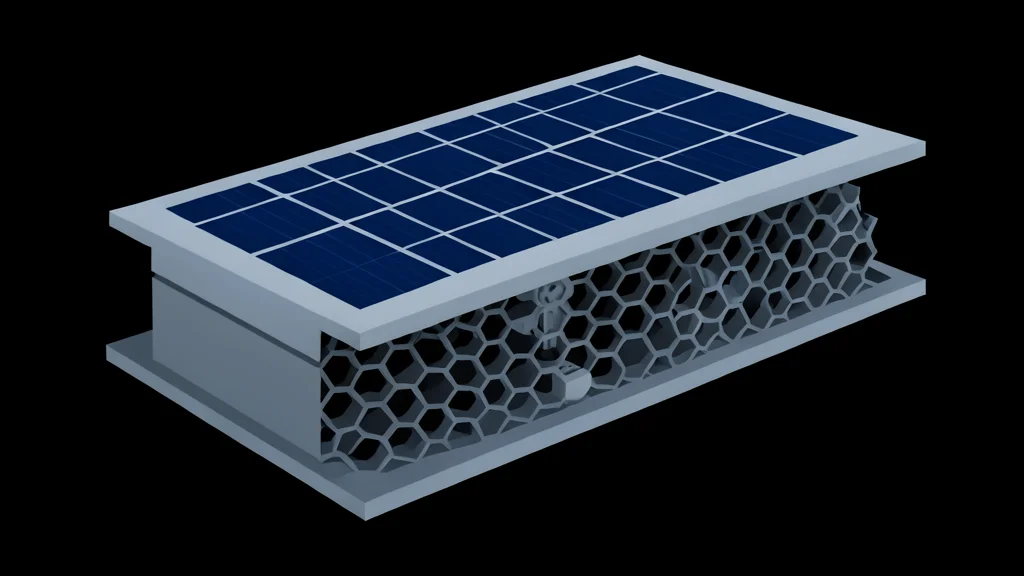
According to reports from GN technics/mobile (en-US), the patented technology involves a tiled structure with solar cells on one side and radio-frequency equipment on the other. Between these layers lies a honeycomb core housing electronic components. Specialized heat pipes distribute warmth locally to protect chips and batteries from the drastic shift between sunlight and shadow during orbit. This innovation is part of a broader portfolio of over 3,900 patent claims, helping AST defend its unique approach to satellite technology.
Thermal Challenges of Growing Satellite Size
The need for this specific protection stems from the physical scale of AST’s hardware. Its BlueWalker 3 demonstrator deployed a 693-square-foot array in 2022, but its newer Block 2 satellites carry arrays up to 2,400 square feet. This is roughly 3.5 times larger, creating significantly higher demands for power generation and heat dissipation. Without effective internal cooling, the repeated stress of moving from minus 70 degrees Celsius in darkness to 80 degrees Celsius in sunlight could degrade the satellite's lifespan and performance.
This patent is not entirely new technology but rather a continuation of filings dating back to 2019 and 2020. By securing this specific grant, AST retains its early priority date while extending legal protection around the technology relevant to its upcoming larger satellites. For investors, this represents a tangible step in solidifying the intellectual property moat that distinguishes AST from competitors who may rely on different architectural solutions.
Competition Shifts Toward Mobile Networks
The timing of this patent grant coincides with an intensifying rivalry against SpaceX’s Starlink. SpaceX has signaled its intent to become a true mobile service, aiming to capture customers from major carriers like AT&T and Verizon. Their strategy involves a constellation of thousands of smaller satellites combined with acquired wireless spectrum and potential modifications to handsets. In contrast, AST uses fewer satellites equipped with much larger cellular arrays to connect directly with standard, unmodified smartphones through existing carrier partners.
The competition is now expanding beyond hardware into the realm of spectrum rights. SpaceX has spent approximately $19.6 billion to acquire 65 megahertz of spectrum from EchoStar, while both companies have expressed interest in additional airwaves from Grain Management. As the battle moves toward smartphones, the ability to maintain reliable, high-speed connections through carrier networks becomes the primary metric for success, making technical stability a key differentiator.
Market Sentiment Remains Cautious
Despite the positive news regarding intellectual property, retail investor sentiment on platforms like Stocktwits remains bearish. Many users express frustration over a lack of concrete updates regarding the status of the BlueBird 11 satellite and the next batch shipment dates. The silence from management on these operational milestones has led to speculation and anxiety among holders, who are watching the stock's 43% rise over the past year with a mix of hope and concern.
The trade-off for AST is that while it has a distinct technical approach, it faces a competitor with vastly greater capital resources and a proven launch cadence. The patent shield provides legal clarity and technical validation, but the ultimate test will be execution. Investors are waiting to see if the company can translate its technological advantages into a reliable, scalable service before the broader mobile market is saturated by its rivals.