Why Your Media Server Library Is Safer than You Think
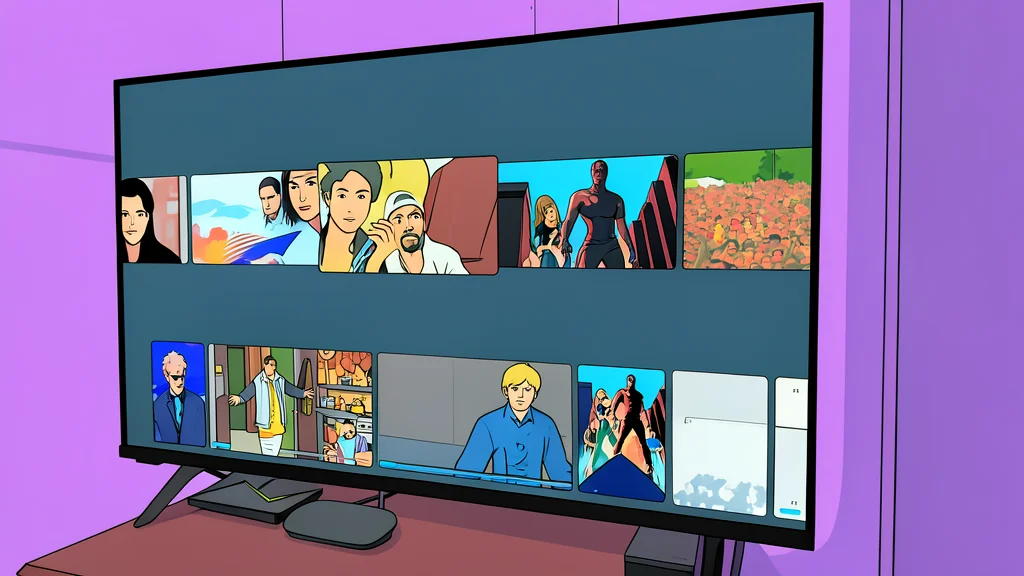
Owning physical discs is no longer just about shelf space. For many users, it is the ultimate insurance policy against streaming platform changes.
The primary argument for keeping a physical media collection is no longer about nostalgia or audio quality. It is about control. When you rip your own Blu-rays and DVDs to a personal server, you create a library that is completely independent of corporate licensing decisions. This means that if a streaming service raises prices or removes a title, your local copy remains accessible. The physical disc acts as a permanent license key that no software update can revoke.
However, this freedom comes with legal and technical trade-offs. Ripping discs often involves bypassing copy protection, which exists in a legal gray area depending on where you live. Furthermore, while your files are safe, the software you use to play them is not. Platforms like Plex and Jellyfin operate under different business models, each with distinct risks regarding long-term accessibility and feature availability.
Legal boundaries define the backup process
In the United States, the Digital Millennium Copyright Act (DMCA) makes it illegal to circumvent copy protection systems, even for personal use. This creates a contradiction: while making a backup of a movie you own might be permissible under fair use in some interpretations, the act of breaking the encryption to do so is not. As reported by XDA Developers, this is a critical distinction that users must understand. You are not just copying data; you are overriding security measures designed by studios to control distribution.
The legal landscape varies significantly by region. In some countries, personal backup is explicitly allowed if the original media is owned. In others, it is a strict violation. Users need to check local copyright laws before engaging in this practice. The risk is not necessarily immediate prosecution, but the legal framework affects how tools and services operate, potentially limiting the software options available for ripping and managing these files.
Platform licensing poses a different risk
Even if your files are legally secured, the platform you use to stream them can change its terms. Commercial services like Plex have the right to modify their pricing structures and feature availability at any time. They have already moved features like remote viewing behind paywalls. This means that while your movie files are yours, the convenience of accessing them from anywhere is a service that can be revoked or made more expensive.
Open-source alternatives like Jellyfin offer a different kind of security. Because the code is freely available and community-driven, no single vendor can suddenly turn off core features or introduce mandatory paid plugins. If a feature disappears, the community can fork the project and keep it alive. However, this comes with a trade-off: development is slower and dependent on volunteers. The software may lack the polished user experience of commercial rivals, but it offers greater long-term stability for the core functionality.
Physical media remains the final fallback
The ultimate safety net is the disc itself. If every streaming app, plugin, and server software vanished tomorrow, your media library would not be lost. You still possess the physical objects that contain the data. You can always re-rip the discs, use simple media players like VLC or Kodi, and access your files through basic network shares. This ensures that ownership of the content is never fully dependent on the survival of a specific software ecosystem.