HyPrSpace Delays First Rocket Launch to 2027

A French startup has pushed back its maiden flight, citing the need to finalize testing for a new hybrid fuel rocket.
French aerospace startup HyPrSpace has officially delayed the first flight of its Baguette One rocket to 2027. The company originally targeted a 2026 launch from a military test site in southwestern France, but recent announcements confirm the timeline has slipped by at least one year. This adjustment follows a period of continued development and testing that has extended beyond the initial schedule.
The delay comes with new clarity on where the launch will take place. HyPrSpace has identified the DGA Essais de missiles facility at Biscarrosse as the specific launch site. This location in southwestern France had not been publicly named in previous updates. The company emphasized that seeing the rocket lift off from French soil remains a significant milestone for the team, even with the shifted date.
Rocket design and fuel system
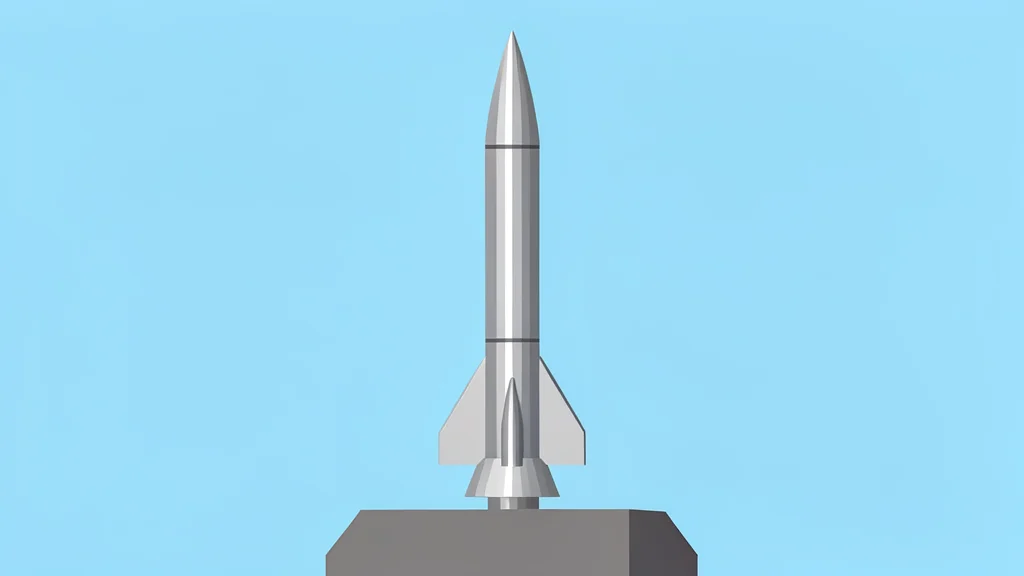
Baguette One is a single-stage vehicle standing ten meters tall. It is designed to carry payloads of up to 300 kilograms on suborbital trajectories. The propulsion system relies on a hybrid approach, combining liquid oxygen with solid polyethylene fuel. This configuration is intended to offer a balance between performance and operational complexity for the first flight.
Purpose of the suborbital flight
The primary goal of this initial launch is not to reach orbit, but to serve as a testbed. The rocket will act as a platform for microgravity research, allowing scientists to conduct experiments in space-like conditions. Additionally, the flight aims to validate key technologies that will be used in the company’s larger, orbital-capable rocket, known as Orbital Baguette One.
Military applications and testing
Beyond scientific research, HyPrSpace has outlined military uses for the platform. The company stated that the rocket will support hypersonic testing and defense simulations. These applications leverage the vehicle's suborbital capability to create specific test environments for defense-related technologies. According to GN auto tech/space, this dual-use aspect is a key part of the vehicle's design strategy.