SpaceX Plans Orbital Data Centers as Starship Reuse Advances
SpaceX is moving beyond rocket launches to build space-based computing infrastructure, aiming to solve power and cooling bottlenecks for artificial intelligence.
SpaceX is preparing to launch its first satellites designed specifically for orbital computing next year. The company’s finance chief, Bret Johnsen, explained that this move is part of a broader strategy to own the entire infrastructure stack, from rocket manufacturing to high-performance data processing. By building these systems in space, SpaceX hopes to bypass the severe limitations on power supply and cooling that currently ground the expansion of terrestrial data centers.
This ambition relies heavily on the successful reuse of the Starship vehicle. Johnsen noted that while the company has already reflown over 500 Falcon 9 boosters, achieving full reuse of Starship’s massive stages is the critical step to making orbital compute economically viable. If successful, the cost of launching these specialized satellites could drop significantly, potentially reaching parity with ground-based systems as early as next year.
Starship Reuse Reduces Launch Costs
Recent test flights have demonstrated key technical milestones, including a precise ocean splashdown that allowed engineers to inspect the heat shield performance. The company is now preparing for a revenue-generating mission later this month, which will carry production Starlink satellites. Johnsen emphasized that recovering both the first and second stages is a primary goal for later this year, as it would drastically lower the price of deploying heavy payloads to orbit.
The economic stakes are high. Johnsen cited a new hosting agreement worth approximately $13 billion in annual recurring revenue, which has increased management’s confidence in reaching a $100 billion revenue target by year-end. While SpaceX continues to expand its ground-based computing capacity, the long-term vision focuses on space, where the constraints of land, water, and local grid power are removed.
Orbital Compute Overcomes Ground Constraints
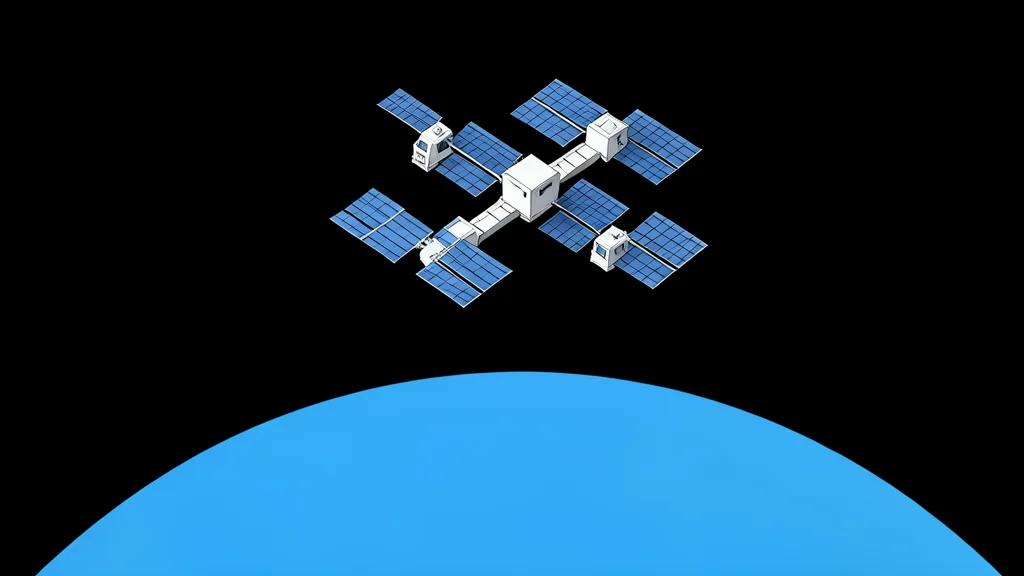
Building data centers on Earth faces significant hurdles, including permitting delays and scarcity of electrical power. Johnsen argued that orbital systems can leverage abundant solar energy and natural cooling in the vacuum of space. The planned satellites will use the same V3 platform as Starlink, but with modified payloads and larger solar arrays to support high-intensity computing tasks. This approach allows the company to offer computing power without being bottlenecked by terrestrial infrastructure.
Vertical Integration Drives Competitive Advantage
SpaceX’s strategy is built on vertical integration, a model adopted early on because external suppliers could not match the company’s speed and quality standards. By controlling everything from rocket engines to customer contracts, SpaceX can optimize its entire supply chain. This includes exclusive partnerships with chipmakers for GPU allocation and short-term hosting agreements that preserve flexibility for its own AI products.
According to GN auto tech/space: satellite deployment, this integrated approach allows SpaceX to forecast compute monetization at the higher end of its $30 to $50 billion range for next year. The company’s ability to rapidly iterate on hardware and software, driven by its internal control over the development pipeline, positions it to lead in the emerging market for space-based artificial intelligence infrastructure.