2026 Fitness Tech Awards Highlight Practical Health Tools
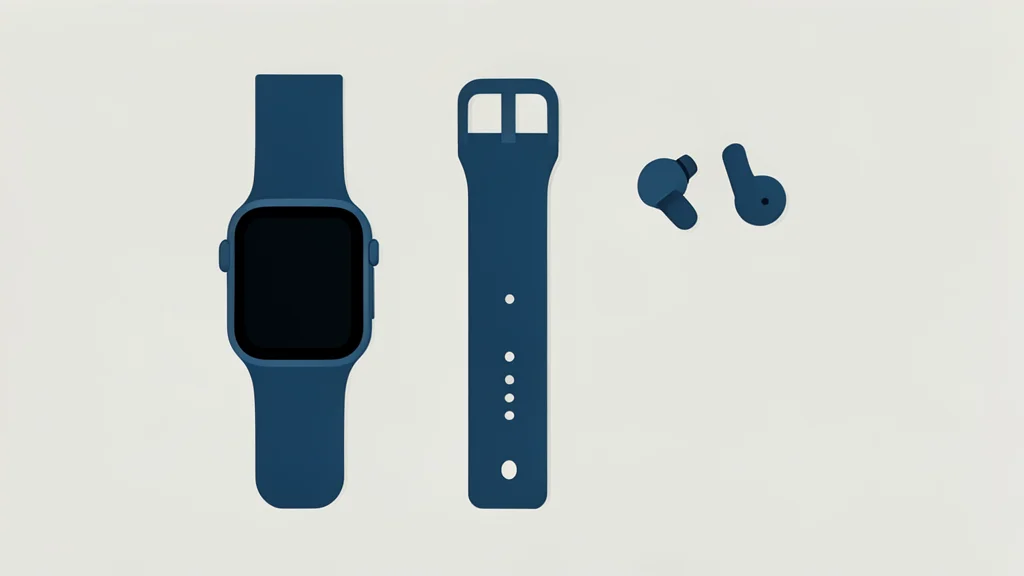
New awards reveal the most effective fitness gadgets for 2026, prioritizing accuracy, comfort, and real-world utility over flashy features.
The latest round of technology awards has shifted the focus from novelty to utility in the fitness sector. Rather than chasing the newest gimmicks, reviewers have highlighted devices that offer tangible benefits for daily health monitoring and athletic performance. This approach reflects a growing consumer preference for tools that integrate seamlessly into active lifestyles without demanding constant attention.
According to GN auto tech/wearables: fitness tracker, the winners this year represent a mix of advanced smartwatches and minimalist trackers. The selection process emphasized reliability and long-term value, with experts testing gear over a twelve-month period to ensure consistency. The result is a list that favors devices which provide clear, actionable health data without overwhelming the user with unnecessary complexity.
Smarter Sensing Changes Watch Standards
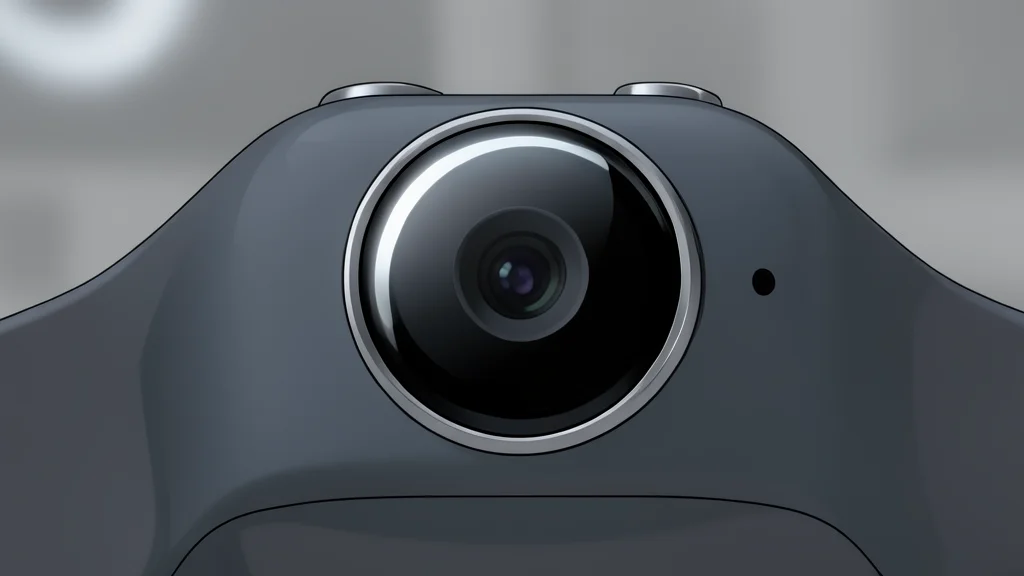
The Apple Watch Series 12 has been named the top smartwatch, primarily due to its significantly improved heart rate tracking. The new sensor measures pulse every five seconds, a major increase in frequency compared to previous models. This higher resolution allows for deeper insights into heart rate variability and daily readiness, helping users understand when their bodies are ready for intense exercise or when recovery is needed.
Beyond health metrics, the device addresses practical user frustrations. It now includes a native step counter on the watch face, removing the need for third-party applications. Charging times have also been reduced, reaching eighty percent capacity in just thirty minutes. These improvements make the device more convenient for daily use, though the trade-off is a tighter integration with iPhone, which limits its appeal for Android users.
Minimalist Design Wins For Comfort
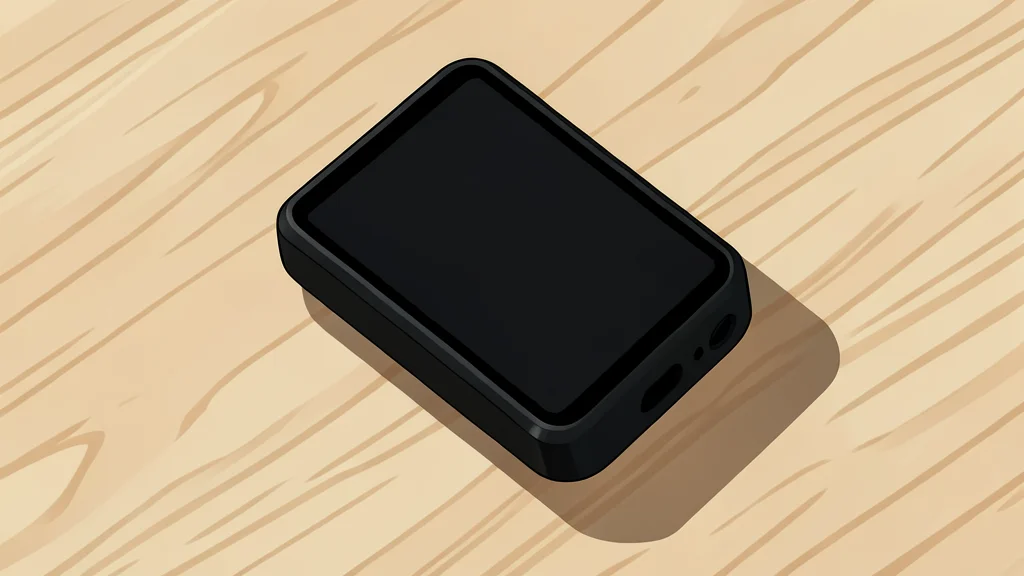
In contrast to feature-packed smartwatches, the Fitbit Air was selected as the best fitness tracker for its simplicity. It lacks a screen entirely, focusing solely on monitoring health and fitness data. This design choice results in a device that is extremely lightweight and comfortable, often described as something one forgets is being worn. The trade-off is the absence of on-wrist information, requiring users to check their data on a smartphone.
The device is priced at ninety-nine dollars and does not require a subscription for its core features. Data such as sleep reports and readiness scores are accessible through the Google Health app. This approach appeals to users who want reliable tracking without the distraction of notifications or the bulk of a traditional smartwatch. However, it lacks the versatility of a smartwatch, serving strictly as a health monitor rather than a communication tool.
Dedicated Gear Targets Specific Needs
For runners seeking precision, the Garmin Forerunner 170 received top honors for its accuracy and training analysis. It includes useful features like NFC payments and music storage, making it a versatile option for various fitness levels. The device is praised for its lightweight design and good value, offering a balance between performance and everyday usability. The limitation is that it is primarily designed for running, offering less versatility for other types of workouts compared to general smartwatches.
The Shokz OpenDots 2 headphones were recognized for their secure fit and open-ear design. This clip-on style allows users to stay aware of their surroundings while exercising, which is a significant safety benefit over traditional in-ear buds. The trade-off is that the open design may leak some audio to the outside world and does not provide the same level of noise isolation as sealed earbuds. These awards collectively suggest that the current trend in fitness tech is moving toward specialized, reliable tools that respect the user's time and comfort.