Evidence Builds for a New Fitbit Charge Release
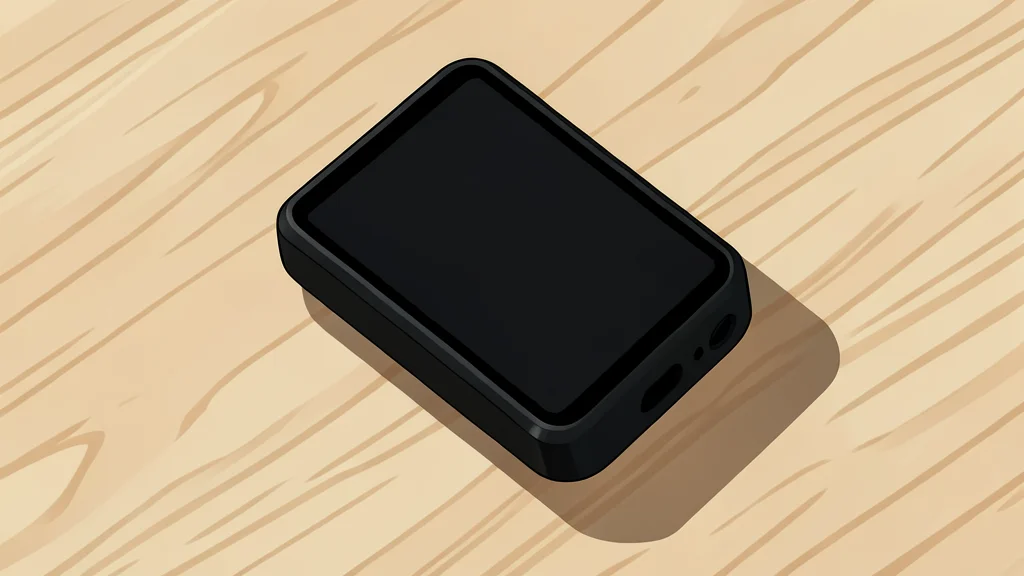
Regulatory filings and leaked marketing images suggest Google is preparing a successor to the Fitbit Charge 6, likely featuring a screen and Wear OS.
Rumors surrounding the next generation of the Fitbit Charge line have gained significant traction following the appearance of two unidentified Google devices in regulatory databases. These filings, combined with leaked promotional images for the upcoming Pixel 11 series, suggest that a new fitness tracker is imminent. The device appears to bridge the design gap between the compact Fitbit Air and the traditional Charge form factor, hinting at a strategic shift in Google’s wearable strategy.
The speculation was initially fueled by screenshots circulating on social media, which displayed an unknown small tracker alongside Pixel 11 phones and a Pixel Watch 5. While the shape resembles the pebble-like design of the Fitbit Air, the overall structure aligns more closely with the rectangular profile of the Charge series. This visual evidence coincides with official listings in Singapore’s IMDA and the US FCC databases, reinforcing the likelihood that a hardware refresh is in the final stages of development.
Regulatory filings reveal key hardware traits
According to GN auto tech/wearables: fitness tracker sources, the device labeled G8BL6 is listed as a Private Mobile Radio with Bluetooth support. The filing identifies Goertek as the manufacturer, a company that has produced hardware for previous generations of Google products. Crucially, the listing indicates the presence of a screen and mentions GNSS support, which allows the device to use satellite positioning for navigation without relying on a connected smartphone. This is a standard feature for mid-to-high-end fitness trackers.
The second device, GNQ1L, is classified as an Ultra-Wideband device supporting UWB, Bluetooth, and NFC. While the specific relationship between these two model numbers is not explicitly defined in the public filings, their simultaneous appearance suggests they may be part of the same product ecosystem or distinct components of a new wearable suite. The inclusion of UWB technology is notable, as it enables precise location tracking and seamless device handoffs, features increasingly common in Google’s smart home and wearable integrations.
Software clues point to Wear OS
Testing procedures mentioned in the context of the G8BL6 listing provide further insight into the operating system. Reports indicate that the electronic label was accessed via a path similar to that used on the current Pixel Watch, suggesting the device may run on Wear OS. This would mark a significant departure from the proprietary operating system used in previous Fitbit Charge models. The use of Android Debug Bridge during testing further supports the theory that the device is deeply integrated into the Android ecosystem.
However, the absence of Wi-Fi support in the regulatory filing presents a potential trade-off. Users may be limited to Bluetooth connectivity for data syncing and online features, which could impact the device’s utility for those who rely on independent internet access for maps or music without a paired phone. This limitation is not uncommon in fitness trackers but represents a constraint compared to some smartwatch competitors that include Wi-Fi for standalone functionality.
Timing and market positioning remain uncertain
The last update to the Fitbit Charge line occurred in 2023 with the release of the Charge 6. The two-year gap has left a void in the mid-range wearable market, a segment that remains highly competitive. If the G8BL6 is indeed the successor, it would likely launch alongside the Pixel 11 series, offering a cohesive ecosystem experience for new phone buyers. The integration of a screen and Wear OS could attract users seeking a more robust smartwatch experience in a form factor smaller than a traditional watch.
Despite the strong circumstantial evidence, no official announcement has been made. The identification of the device as the Fitbit Charge 7 remains speculative until Google confirms the product name and specifications. Users should wait for official channels to verify pricing, exact features, and release dates, as regulatory filings often precede launches by several months and do not guarantee a global or immediate release.