Europe Weighs Restrictions on Recording Smart Glasses

Growing privacy concerns over covert filming by wearable tech are prompting calls for bans and stricter regulation across the continent.
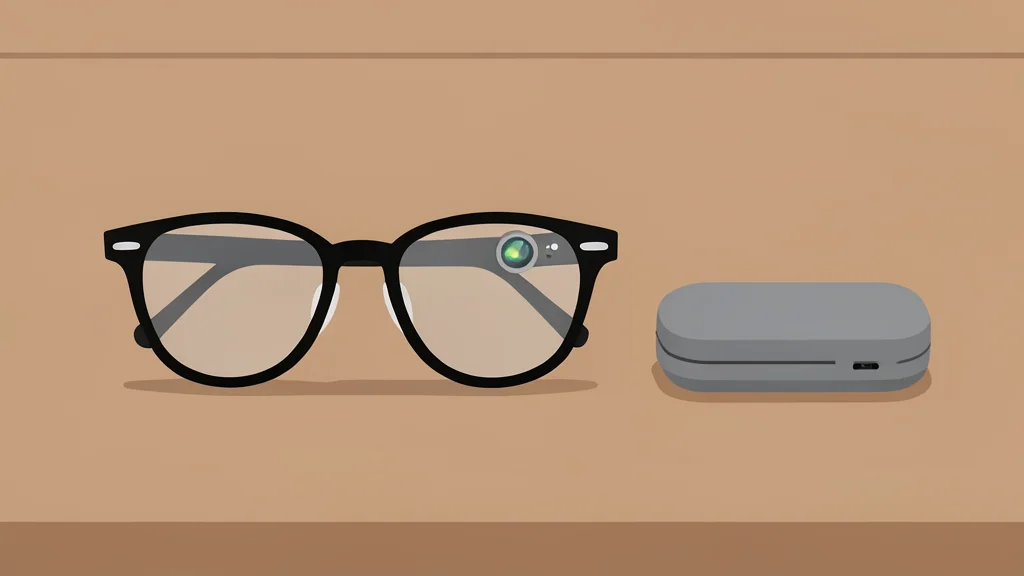
A wave of privacy concerns is spreading across Europe as smart glasses equipped with recording capabilities become increasingly common. The debate has intensified after reports emerged of individuals using the devices to secretly film women and girls in public spaces. In Britain, a petition has been launched demanding a ban on the sale of these gadgets, while other nations consider regulatory measures to address the potential for misuse.
The controversy highlights a significant trade-off in the rapid adoption of wearable technology. While these devices offer convenience by integrating communication, translation, and AI assistance into daily life, they also remove the traditional social cue of a visible camera. This shift has sparked a broader discussion about personal rights and the boundaries of acceptable surveillance in public settings.
Sales surge drives privacy backlash
The market for these smart spectacles has expanded dramatically in recent years. According to data cited by GN auto tech/wearables, sales reached approximately seven million pairs in 2025, a significant jump from two million in the previous two years. This growth is fueled by advancements in artificial intelligence and high-profile marketing campaigns that have normalized the use of the devices in everyday life. However, this exponential increase in users has simultaneously amplified the risks associated with covert recording.
Critics argue that the convenience of hands-free technology comes at the cost of individual autonomy. The ability to capture audio and video without the obvious presence of a smartphone or camera has led to incidents where users felt violated by unexpected surveillance. This has turned a consumer product into a flashpoint for discussions on digital ethics and the right to privacy.
Regulators face enforcement challenges
European authorities are moving to address the issue, but responses have been fragmented. In Norway, the city of Oslo has banned the glasses in schools, and the government is considering restrictions on facial recognition features. Meanwhile, the European Commission has stated that national data protection authorities are responsible for monitoring and enforcing existing privacy rules. This decentralized approach raises questions about the consistency of protections across the continent.
Some lawmakers are pushing for unified EU regulations to ensure that new technologies do not undermine fundamental rights. They argue that waiting for individual nations to act creates a patchwork of rules that is difficult to navigate for both manufacturers and consumers. The lack of a single, clear framework leaves a gap in protection that critics say allows for continued abuse of the technology.
Industry responses focus on deterrents
Manufacturers have responded to the criticism by emphasizing their efforts to prevent tampering with the devices' recording indicators. Meta, the primary developer of these glasses, has stated that it has invested in measures to ensure the LED light that signals recording cannot be disabled. The company claims these steps have already had a deterrent effect, leading to the shutdown of third-party services that offered to remove the indicator.
Despite these assurances, skepticism remains among privacy advocates. They argue that technical fixes are insufficient without clear legal prohibitions on covert recording. The situation illustrates the difficulty of balancing innovation with civil liberties, as the technology becomes more integrated into society. The ongoing debate suggests that the final resolution will likely require a combination of stricter legislation and robust enforcement mechanisms to protect users from unwanted surveillance.