Major Brands Drop Screens to Win the Health Band Market
Google and Garmin are entering the screenless wearable space, challenging the subscription model and shifting the focus from constant notifications to passive health monitoring.
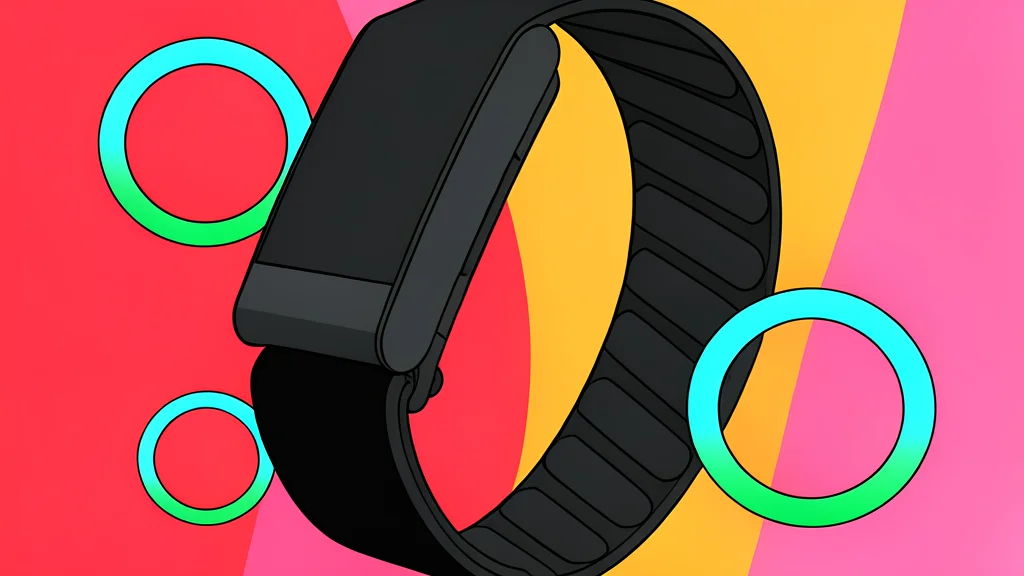
The wearable tech landscape is undergoing a significant shift as major consumer electronics companies abandon the smartwatch format in favor of minimalist, screenless bands. Google launched its Fitbit Air in May, followed by Garmin releasing the Cirqa in July, both aiming to capture an audience that finds traditional smartwatches distracting. These new devices compete directly with Whoop, a company valued at over $10 billion, but they do so by removing the mandatory annual subscription fee that has long been a barrier to entry for mainstream consumers.
This trend is not merely a design preference but a response to a growing fatigue with constant digital interruptions. While smartwatches were once seen as potential smartphone replacements, many users now view them as another source of notification noise. By stripping away the display, these new wearables signal a desire for health tracking that blends into daily life rather than demanding attention, aligning with a broader cultural move toward digital minimalism.
Removing the screen changes user behavior
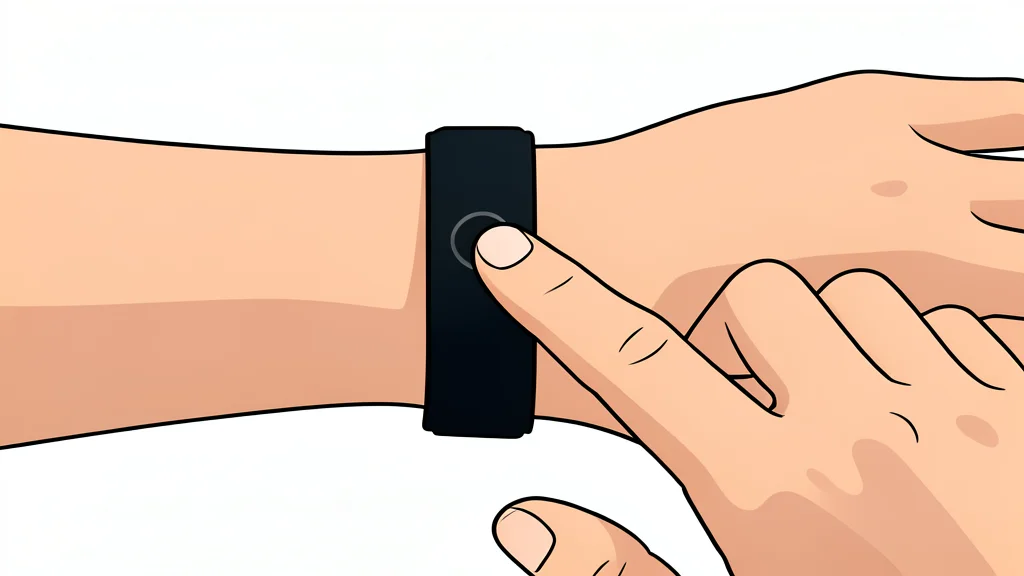
The primary appeal of screenless devices like the Whoop or the new Fitbit Air is the reduction of visual clutter on the wrist. A simple fabric band with a small sensor puck demands far less cognitive load than a bright OLED screen displaying messages and alerts. For many users, this aesthetic choice is also a social signal; possessing a device that does not look like a smartphone allows them to maintain a sense of distance from the technology that dominates their daily interactions.
However, this convenience comes with a functional trade-off. Because these bands lack screens, users must rely on their smartphones to view detailed health data, such as sleep stages or heart rate trends. This paradox means that while the device on the wrist is passive, the interaction with the phone remains active. The shift suggests that the value proposition is no longer about having data at your fingertips, but about the quality of the data collected in the background.
Sensor technology has reached a plateau
According to industry analysts cited by GN auto tech/wearables, the recent push for screenless wearables is driven less by breakthrough hardware and more by software maturity. The core sensors used for tracking motion and heart rate, such as accelerometers and photoplethysmography sensors, have been effectively miniaturized for several years. New sensor categories are rare and expensive to integrate, meaning the hardware inside these bands is largely similar to what has been available for a decade.
The real improvement lies in the algorithms that process this data. Modern wearables can now detect complex health indicators, such as sleep apnea, with greater accuracy than previous generations. This parity in capability allows screenless bands to compete with high-end smartwatches, giving consumers the option to choose a less intrusive form factor without sacrificing the depth of health insights they receive.
The battle over subscription models
Whoop built its business model on a mandatory subscription, which has been a point of contention for many potential buyers. By entering the market with one-time purchase options, Google and Garmin are undercutting this approach. This pricing strategy lowers the barrier to entry, making advanced health tracking accessible to a wider audience who may not want to commit to a recurring annual fee. The competition now hinges on which company can offer the best balance of accurate data and user-friendly access without the friction of a locked service.