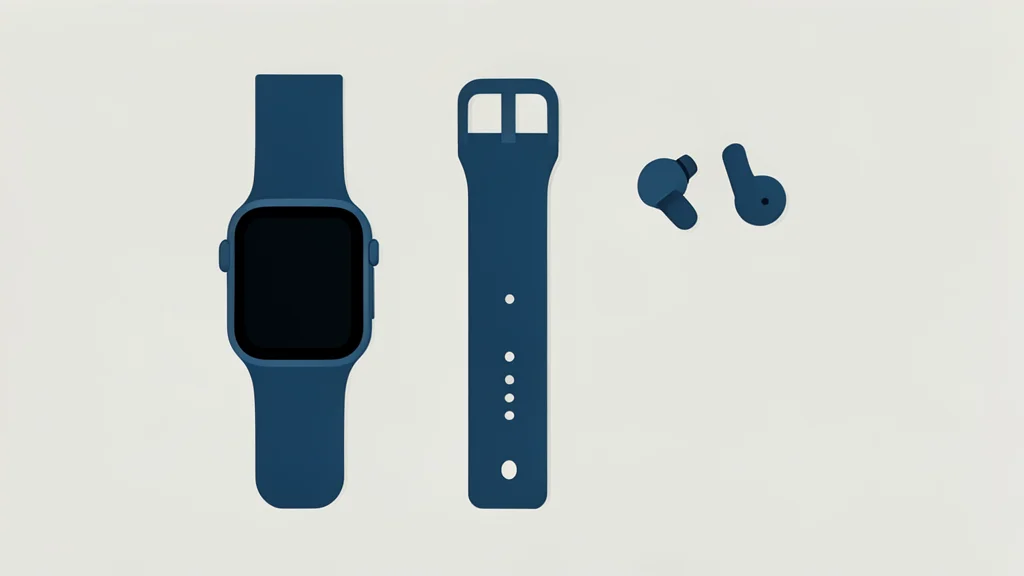
Motorola Moto Fit Watch Hits £34 Low
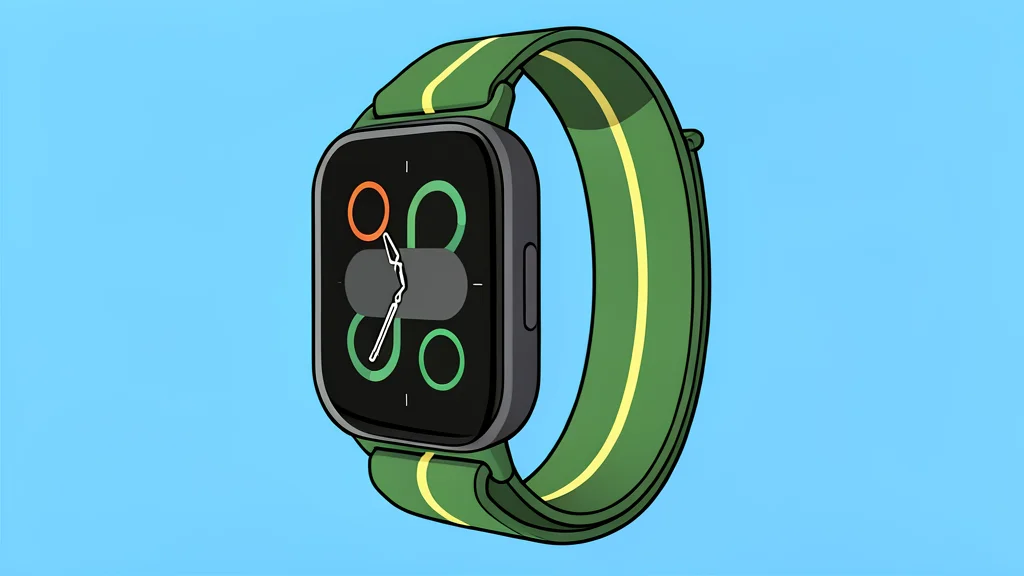
A full Wear OS smartwatch with built-in GPS is now available for under £34, marking a significant drop from its original launch price.
The Motorola Moto Fit Watch in Trekking Green has dropped to £33.98 on Amazon, its lowest price in the past 30 days. This 23% discount brings a device that launched near £80 this autumn into the territory of basic fitness trackers, offering a substantial saving for buyers looking to avoid premium smartwatch costs.
Unlike many budget alternatives that offer limited functionality, this model runs the full Wear OS 3.0 operating system. According to GN auto tech/wearables: fitness tracker, this distinction means the watch supports a wider range of apps and services, providing a more comprehensive smart device experience than the stripped-back units typically found at this price point.
Core features remain intact
The device features a 1.9-inch OLED display with a 390 x 390 resolution, which is generally considered the threshold for a legible, high-quality screen suitable for daily wear. Built-in GPS allows users to log running and hiking routes accurately without carrying a smartphone, a feature often missing from ultra-cheap trackers. The watch also includes 50-meter water resistance and tracks heart rate and sleep across more than 100 sports modes.
Battery life is a key selling point, with Motorola rating the watch for six days of typical use. A full charge takes only five minutes, a speed that rivals higher-end competitors like the Apple Watch Series 11 and Google Pixel Watch 5. This combination of display quality, independent GPS, and multi-day battery life makes it a viable option for users who want a reliable daily companion without a large monthly subscription or high upfront cost.
Price history and value
The watch has seen a steady decline in price since its release. It started near £80, settled in the mid-£40s during the summer, and has now hit a sub-£35 floor. This trajectory suggests that the current price is a genuine low rather than a temporary flash sale, making it a stable entry point for those considering a switch from basic fitness bands to a full smartwatch.
Trade-offs to consider
While the price is compelling, buyers should weigh the trade-offs. The Moto Fit Watch lacks the deep ecosystem integration and advanced health sensors found in flagship devices. However, for the core functions of navigation, notification management, and activity tracking, it delivers a complete package. The five-minute quick charge mitigates the typical battery anxiety associated with smartwatches, ensuring that even if the six-day estimate is conservative, the device remains usable for most daily routines without frequent recharging.