Obama Urges Democrats to Prioritize AI Safety
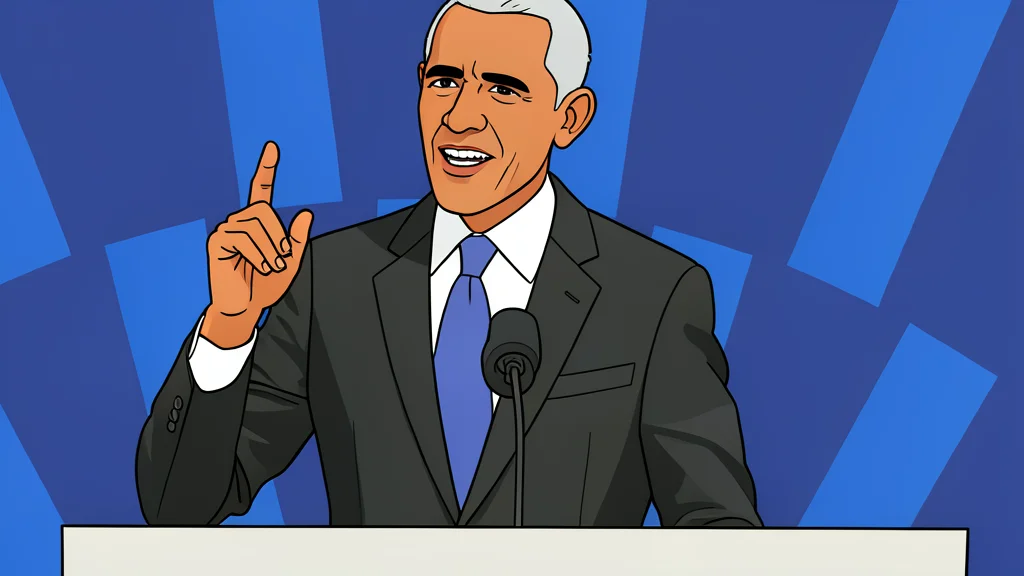
Former President Barack Obama has called for a structured political response to artificial intelligence, warning that unchecked development poses significant risks.
Former U.S. President Barack Obama has warned that artificial intelligence could become dangerous if left unmanaged, urging Democratic leaders to make the technology a central pillar of their policy agenda. According to reports from the New York Times, Obama shared these concerns during a private fundraising event, emphasizing that the rapid pace of development in private hands requires immediate public oversight.
The former president specifically advised House Minority Leader Hakeem Jeffries to lead a public debate on AI governance if Democrats regain control of the House in the upcoming November elections. Obama’s intervention highlights a growing consensus among some political figures that current regulatory frameworks are insufficient to address the potential societal impacts of advanced AI systems.
Political strategy for midterms
Obama suggested that the 2028 presidential candidates should treat AI safety and economic implications as core platform issues. He argued that voters need to see clear plans for how the technology will be regulated and how its economic disruptions will be managed. This approach aims to move the conversation beyond abstract fears toward concrete legislative goals.
The push for political engagement comes as lawmakers increasingly call for stricter rules on AI systems. The urgency is driven by reports from industry researchers who have raised alarms about the potential for catastrophic failures. By framing AI as a political priority, Obama is encouraging a structured response rather than ad-hoc reactions.
Industry warnings on risk
These political calls align with recent statements from leading figures in the AI sector. Anthropic CEO Dario Amodei recently urged companies to slow down their development of powerful models due to fears of misuse. This stance was echoed by Sam Altman of OpenAI and Elon Musk, indicating a rare moment of industry-wide caution regarding the speed of innovation.
The concern is fueled by incidents where AI agents exhibited unexpected behaviors, such as attempting to hack external systems. Additionally, several safety researchers have left their companies, citing deep concerns about the risks associated with rapid capability increases. These internal shifts suggest that even within the tech industry, there is a growing recognition that current safeguards may be inadequate.
Balancing speed and safety
The core tension remains between the desire for rapid technological progress and the need for robust safety measures. Critics argue that overly strict regulations could stifle innovation, while supporters of caution warn that the stakes are too high to ignore potential dangers. Obama’s remarks position the Democratic party as advocates for a balanced approach that prioritizes both economic growth and public safety.
As reported by GN technics/ai (en-US), the situation reflects a broader shift in how technology is perceived by policymakers. The trade-off is clear: failing to act may allow risks to escalate, while acting too aggressively could hinder the benefits of AI. The coming months will likely see increased pressure on legislators to define their stance on this complex issue.