Australia Introduces Legislation to Restrict Trade Linked to Occupation
A new legislative package seeks to establish binding legal limits on Australian weapons, investment, and trade, aiming to prevent support for genocide and illegal occupation.
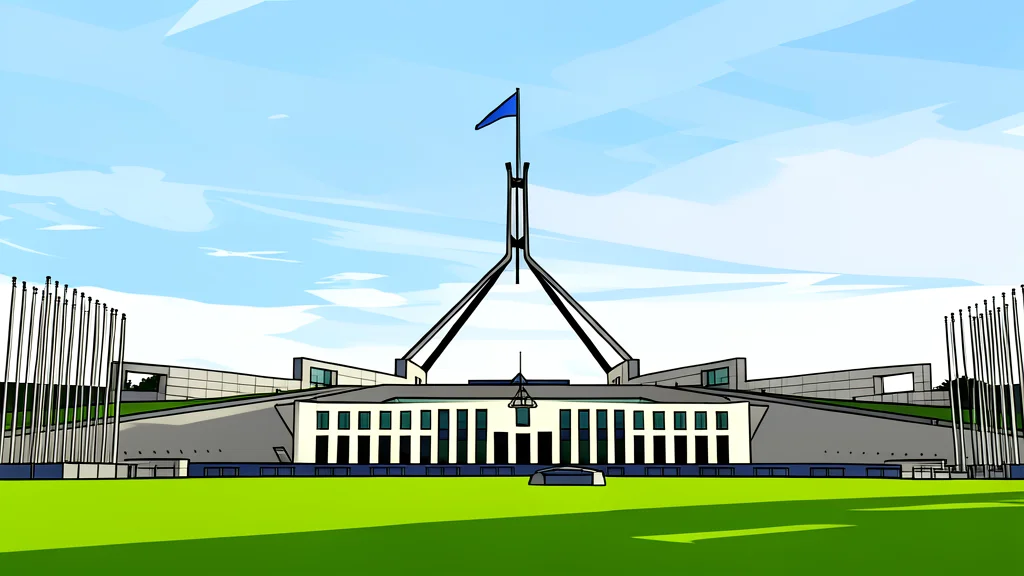
A comprehensive legislative package has been introduced into the Federal Parliament, proposing binding legal restrictions on the use of Australian weapons, public funds, investment, and trade. According to the sponsors, the aim is to prevent these resources from supporting genocide, war crimes, crimes against humanity, or illegal occupation. The initiative is being advanced by Dr Sophie Scamps MP and Senator David Pocock, with co-sponsorship from several other parliamentarians including Senators Lidia Thorpe, Mehreen Faruqi, Fatima Payman, and Andrew Wilkie.
The timing of the introduction coincides with increased diplomatic pressure from international allies. The United Kingdom, France, and Canada have recently committed to banning trade in goods and services associated with illegal Israeli settlements. As part of a broader group of twelve nations moving toward similar trade restrictions, these actions are increasing the scrutiny on Australia to move beyond verbal condemnation and implement concrete legal measures that align with its international law obligations.
Universal Safeguards Beyond Specific Conflicts
While the immediate context involves the situation in the Occupied Palestinian Territory, the legislation is designed to be universally applicable. The Red Lines Package establishes legal safeguards that apply wherever there is a serious risk that Australian resources contribute to severe human rights abuses. The principle underpinning the bills is that legal red lines should be consistent and enforceable, regardless of the specific country or government involved in the alleged violations.
Currently, Australia relies heavily on government policy and ministerial discretion in areas such as defense exports and public investment. The proposed bills would replace this discretionary approach with enforceable safeguards. This shift aims to address the gap between international treaty commitments, such as the Genocide Convention and the Rome Statute, and their implementation in domestic law. The legislation seeks to ensure that Australia does not profit from or facilitate actions that violate fundamental international legal norms.
Broad Coalition of Support
The initiative has garnered support from a wide array of stakeholders, including leading legal experts and civil society organizations. According to GN geopolitics/rights (en-US), the coalition includes Amnesty International Australia, the Association for the Promotion of International Law, and various advocacy groups such as the Jewish Council of Australia, Oxfam Australia, and the Australian Muslim Advocacy Network. This broad alliance reflects a cross-political and cross-sectarian consensus on the need for clearer legal boundaries regarding state conduct in international conflicts.
Legal Obligations and Domestic Enforcement
Critics of the status quo argue that Australia has lagged behind other nations in fulfilling its obligations under international law. Emeritus Professor Gillian Triggs AC, a former President of the Australian Human Rights Commission, has emphasized the distinction between signing international treaties and enforcing them through domestic legislation. The argument posits that without clear legal red lines, there is a risk that political discretion may allow Australia to inadvertently or directly support actions that contravene the principles of self-determination and the prohibition of acquiring territory by force.
As the bills move through the parliamentary process, the focus will be on how these new legal frameworks interact with existing trade and defense policies. The outcome will likely shape Australia's standing in the international community regarding its commitment to human rights and international law. Observers will watch closely for amendments, committee reviews, and the ultimate vote in both houses of Parliament, which will determine whether these universal safeguards become binding law.