Xi and Modi Bridge Gaps at BRICS Summit Amid Persistent Border Tensions

Leaders of the world's two most populous nations met in New Delhi to signal a diplomatic thaw, yet analysts warn that fundamental strategic divergences remain unresolved beneath the surface of recent cordiality.
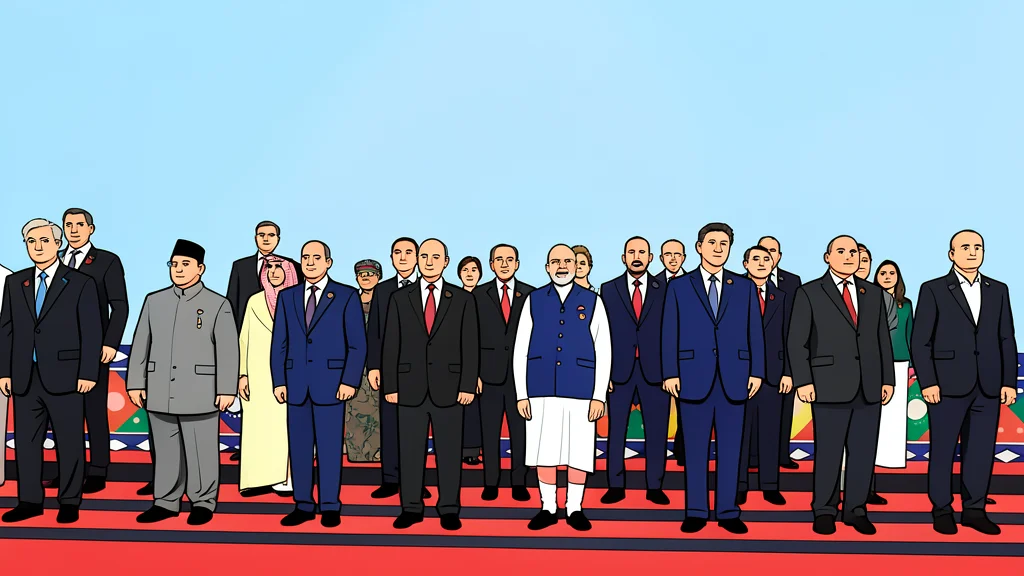
Chinese President Xi Jinping and Indian Prime Minister Narendra Modi held their first in-person meeting on Indian soil in seven years this week, a symbolic gesture intended to stabilize relations between the two Asian giants. The encounter, which took place on the margins of the BRICS summit in New Delhi, was marked by a deliberate display of warmth and mutual respect, signaling a shared desire to manage the uncertainties introduced by the current US administration. According to official readouts, the leaders agreed to adopt a long-term strategic perspective, focusing on cultural and business exchanges while coordinating on broader global issues.
However, the optimistic tone of the bilateral talks contrasts sharply with the unresolved structural issues that have defined the relationship in recent years. Despite the visible camaraderie, fundamental differences regarding the border dispute and economic imbalances persist. The meeting serves as a diplomatic maneuver for both nations as they navigate a complex international landscape, where each is seeking to mitigate the impact of shifting US policies and trade barriers. The BRICS platform provided a stage for both leaders to project unity, even as the underlying friction points remain a central feature of their bilateral dynamic.
Symbolic gestures mask deep strategic divides
The physical body language of the leaders, including repeated handshakes and smiles, was noted by observers as a conscious effort to project stability. Xi Jinping referenced a previous visit to Gujarat in 2014, framing the relationship as one of partnership rather than rivalry. Modi echoed this sentiment, stating that differences should not escalate into disputes. According to Rajiv Dogra, a former Indian diplomat, the visit was carefully tailored to highlight the hopeful aspects of the relationship. This narrative of reconciliation is significant for both countries, which are emerging from a multi-decade low point fueled by border clashes and mutual distrust.
Yet, the official statements issued by each side reveal a lack of full alignment. New Delhi emphasized that border peace is essential for further development, while Beijing maintained its standard position of separating the boundary dispute from broader ties. Furthermore, India has highlighted significant economic imbalances, noting that its trade deficit with China has doubled in the past decade. Sana Hashmi, a postdoctoral fellow at the Taiwan-Asia Exchange Foundation, cautioned that external factors such as US policies are driving the current thaw, but warned that China still views India primarily as a competitor rather than a partner.
BRICS summit as a stage for global signaling
The bilateral meeting was capped by a joint BRICS statement calling for restraint in the Middle East and a rollback of trade barriers. For President Xi, the summit offers a critical opportunity to reinforce his image as a global statesman capable of managing a fluid international order. The timing is particularly notable, occurring just weeks before his expected visit to Washington. Julian Gewirtz, a former senior director at the White House National Security Council, described the optics as a clear signal of unity intended to be read by the US administration. This diplomatic choreography allows both nations to present a united front to the world, even as they compete for influence in the region.
The recent thaw follows a period of intense isolation, where travel halted and investment restricted, following the 2020 border clashes that killed soldiers on both sides. Since then, tentative steps have been taken, including the resumption of direct flights and discussions on border management. The current interaction in New Delhi represents a continuation of these efforts, aiming to convert temporary truces into more durable diplomatic frameworks. The success of this thaw will depend on whether the leaders can move beyond symbolic gestures to address the substantive economic and security concerns that have long driven the two nations apart.
Uncertain path toward sustainable regional stability
As the leaders depart New Delhi, the forward-looking question remains whether this diplomatic warmth can withstand the pressures of geopolitical competition. The relationship is currently suspended between the desire for economic cooperation and the reality of strategic rivalry. Analysts suggest that while the immediate risk of escalation has decreased, the path toward a stable and predictable relationship is still long and fraught with potential setbacks. The coming months will test the durability of this thaw as both nations continue to navigate their complex interactions with the United States and their own regional ambitions.