Lukashenko States Belarus Lacks Potash Volumes for US Demand
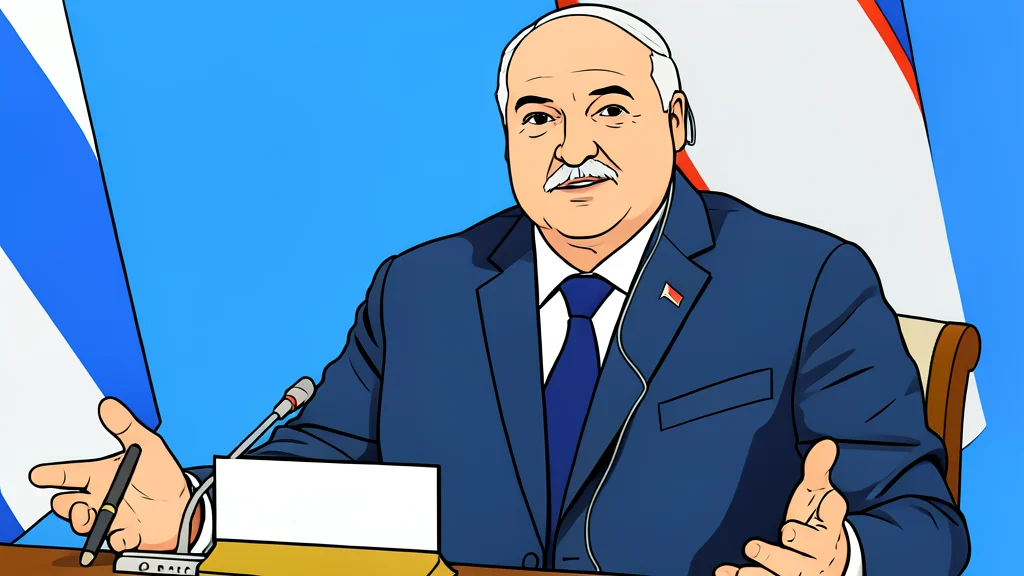
Belarusian President Lukashenko claims current potash reserves are fully contracted, complicating new US supply agreements.
Key points
- Lukashenko claims all Belarusian potash for the current year is already contracted to other buyers.
- The US lifted potash sanctions in December 2025 in exchange for the release of political prisoners.
- Belarus relies on transit through Lithuania, Poland, or Ukraine to reach Western markets due to its landlocked status.
Belarusian President Alexander Lukashenko has stated that the country lacks sufficient potash volumes to meet potential Western demands, effectively tempering recent optimism surrounding a major trade agreement with the United States. Speaking during a meeting with customs officials on September 21, Lukashenko asserted that all available supplies for the current year are already under contract, leaving little room for new exports to American markets.
This statement comes directly after US President Donald Trump announced on social media that Washington is preparing for a "massive" purchase of Belarusian potash, which he described as a cost-effective alternative to Canadian supplies. The remarks by Minsk appear to contradict the tone of the American announcement, suggesting that logistical and contractual constraints are preventing the immediate expansion of trade that both sides have publicly touted.
Recent diplomatic shifts enable fertilizer trade
The potential for this trade emerged following a significant diplomatic thaw in late 2025, according to reports from Kyiv Independent. The US administration lifted economic restrictions on Belarusian potash exports in December of that year, a move made in exchange for the release of over 100 political prisoners. This concession was part of a broader effort to normalize relations and integrate Belarusian agricultural products into Western supply chains, marking a notable shift from previous sanctions regimes.
Geographic barriers complicate export logistics
Despite the diplomatic openings, physical geography presents a significant hurdle. Belarus is a landlocked nation situated between Ukraine, Russia, and NATO member states, limiting its direct access to Western ports. Reports emerging in the spring of 2026 indicated that the US was seeking permission from Lithuania, Poland, and Ukraine to allow Belarusian fertilizers to transit through their territories. This dependency on neighboring states for logistics adds a layer of geopolitical complexity to what is ostensibly a commercial transaction.
Global market positions remain unchanged
Canada and Belarus currently hold the positions of first and third largest global exporters of potash, respectively. While Minsk views this commodity as a key export revenue source, the current market saturation with pre-existing contracts limits its ability to pivot quickly toward new buyers. The situation highlights the tension between political signaling and the rigid realities of existing commercial commitments in the global fertilizer market.
Observers will now watch whether Minsk can secure transit agreements with neighboring states or if it will seek to renegotiate existing contracts to free up capacity for the US. The outcome will serve as a critical indicator of the durability of the recent diplomatic thaw and the practical viability of integrating sanctioned economies into Western supply chains.