NATO Chief Cites Historic Security Challenges
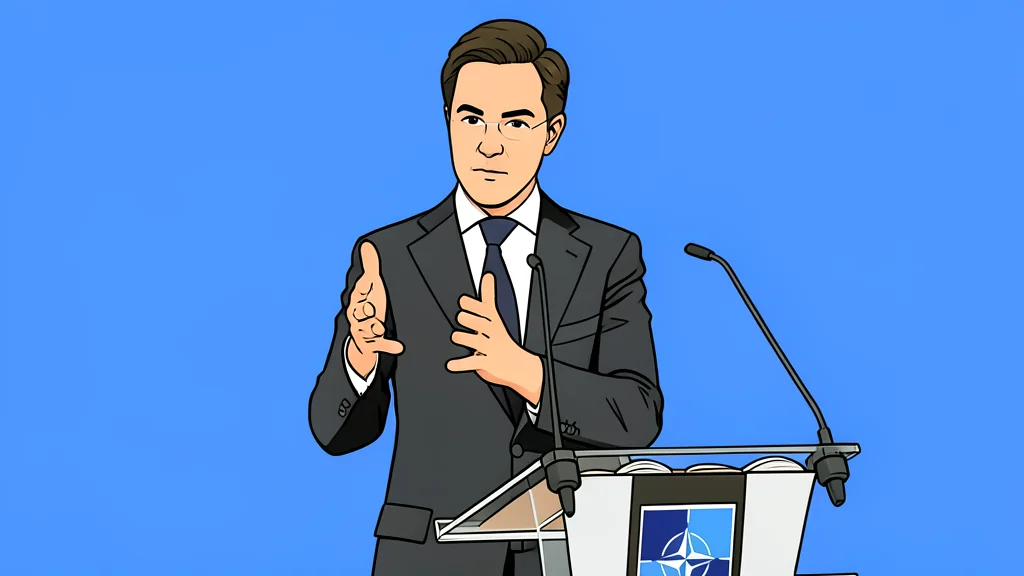
NATO Secretary General Mark Rutte has characterized the current geopolitical landscape as the most complex in decades, urging member states to increase defense investments to maintain collective credibility.
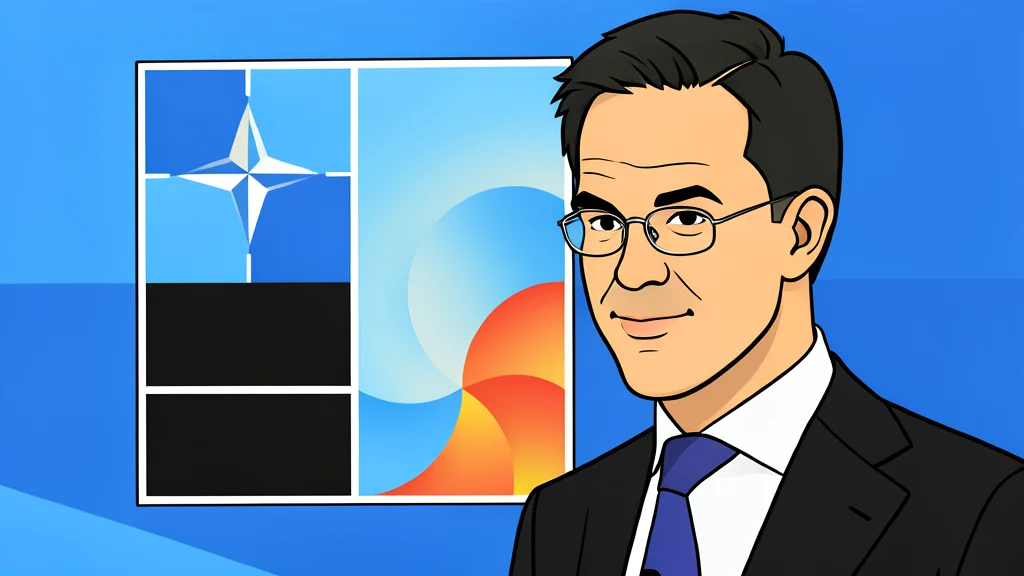
NATO Secretary General Mark Rutte has described the current geopolitical landscape as the most dangerous and complex in a generation, according to remarks made during a recent lecture in Oxfordshire. Speaking at an event hosted by The Ditchley Foundation, Rutte emphasized that the alliance faces unprecedented challenges that require immediate and sustained action from all member states to preserve its integrity.
The warning comes amid ongoing debates regarding the distribution of defense burdens within the transatlantic partnership. Rutte reiterated that without significant new investments in security capabilities, the credibility of NATO’s collective defense mechanisms would be compromised. He stressed that protecting the European way of life is inextricably linked to the strength of the alliance's military posture.
Urgent Call for Increased Spending
According to GN geopolitics/nato, Rutte argued that the alliance must prioritize financial commitments to match the scale of emerging threats. He noted that European allies and Canada have already increased their defense expenditures by nearly 20 percent in the last year, a trend he described as a positive step but insufficient on its own. The Secretary General suggested that further burden-sharing is necessary to ensure that the defense structure remains robust against potential adversaries.
He framed the need for additional spending not merely as a military requirement, but as a fundamental economic and political necessity. By highlighting the concept of allies with "broad shoulders," Rutte implied that wealthier nations within the bloc are expected to shoulder a greater portion of the cost. This rhetoric aims to shift the narrative from one of obligation to one of shared strategic interest and long-term stability.
Rebalancing Transatlantic Security Priorities
Rutte maintained that NATO remains fundamentally a transatlantic organization, a principle he identified as central to the current strategic framework. He emphasized that a secure Europe, a secure Atlantic, and a secure Arctic are not just regional concerns but essential components of the United States' long-term security. This tripartite focus suggests a shift toward a more geographically comprehensive defense strategy that integrates multiple theaters of operation.
The Secretary General also called for a greater European contribution to the alliance’s overall capacity. By advocating for "more Europe" in NATO, he indicated a desire for deeper integration of European defense capabilities into the broader alliance structure. This approach aims to reduce reliance on any single power while strengthening the collective resilience of the member states.
Navigating Complex Geopolitical Landscapes
The characterization of the current environment as uniquely complex reflects the multipolar nature of modern security threats. Rutte’s comments suggest that traditional binary oppositions are no longer sufficient to describe the challenges facing the alliance. Instead, the focus has shifted to managing multiple simultaneous crises and ensuring that the alliance can adapt to rapidly changing circumstances on the ground.
Looking ahead, the key question remains whether member states will translate these rhetorical calls into tangible budgetary increases. The coming months will likely see intensified diplomatic efforts to finalize new defense commitments. Observers will watch closely for any signs of hesitation or disagreement among key members, as the cohesion of the alliance will be tested by the pace and scale of these financial and strategic adjustments.