BRICS Summit Signals Emerging Multipolar Order
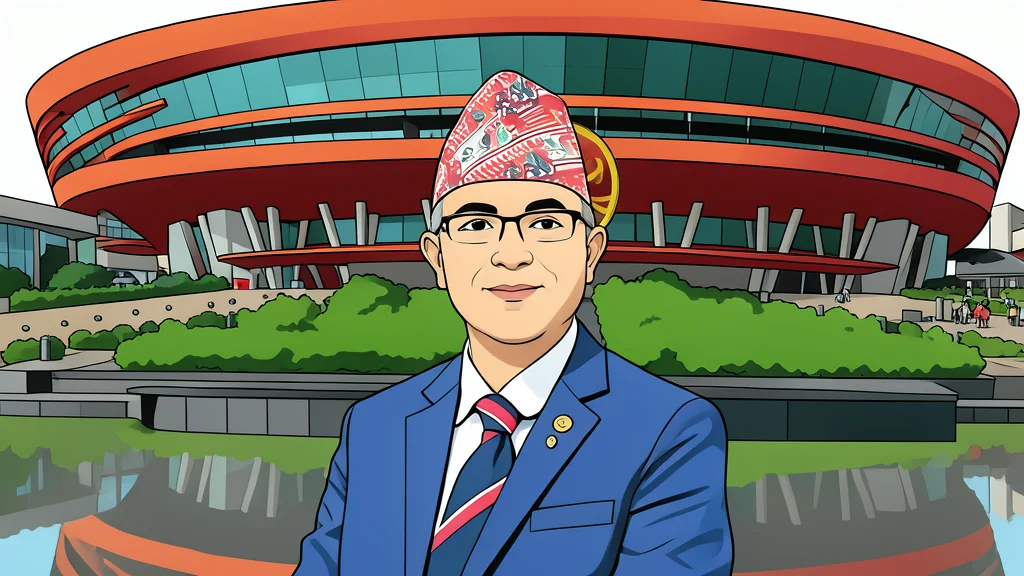
The 18th BRICS Summit in New Delhi underscores a gradual shift in the post-World War II global structure, presenting complex strategic opportunities for smaller nations like Nepal.
The international balance of power is entering a decisive transitional phase, with the Western-centric system established after World War II facing increasing challenges. According to the GN auto geopolitics/global: international summit, this shift is driven by the economic and technological growth of China, the strategic resurgence of Russia, and the expanding influence of India and the broader Global South. These developments suggest a move away from unipolar dominance toward a more distributed global order.
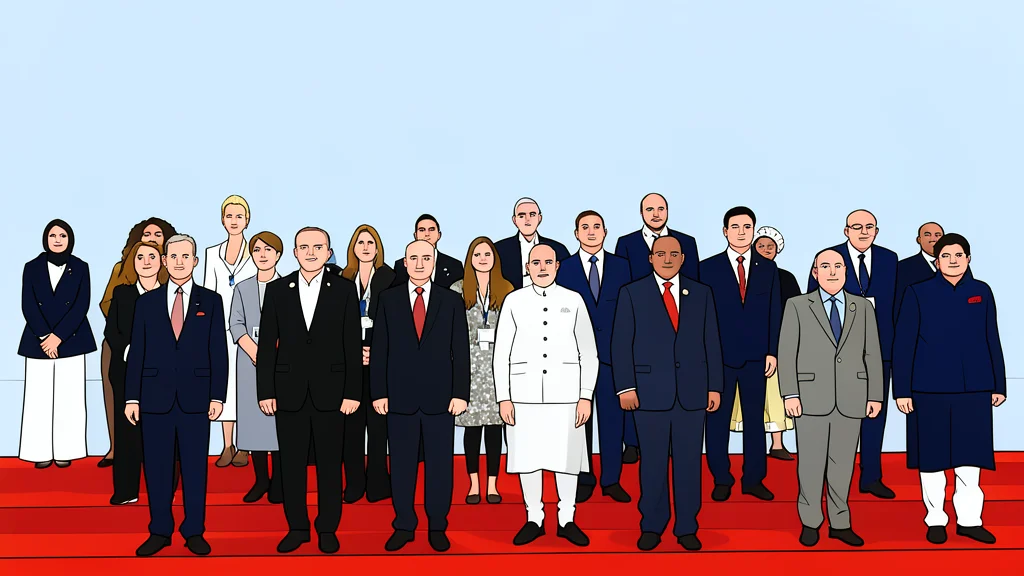
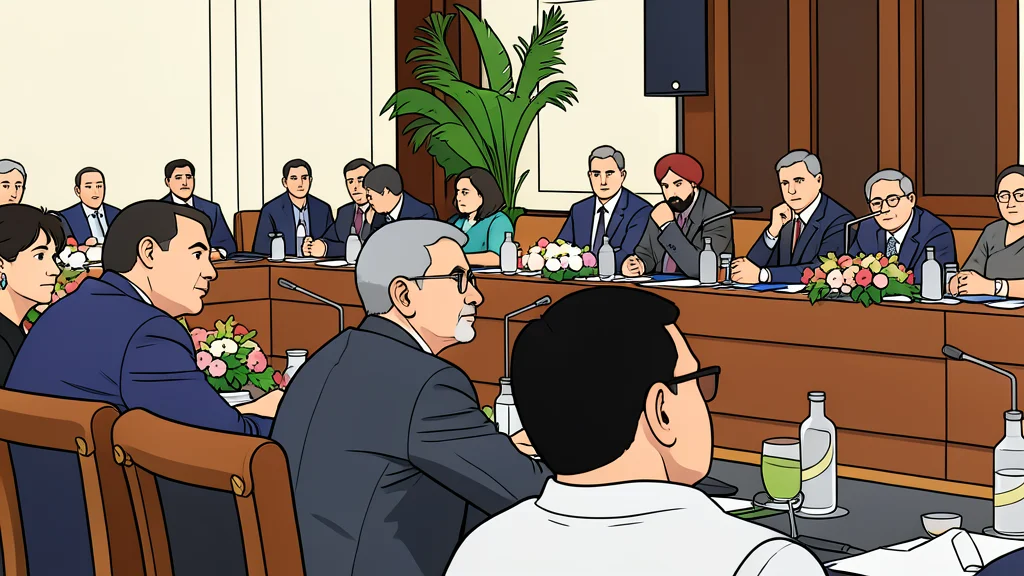
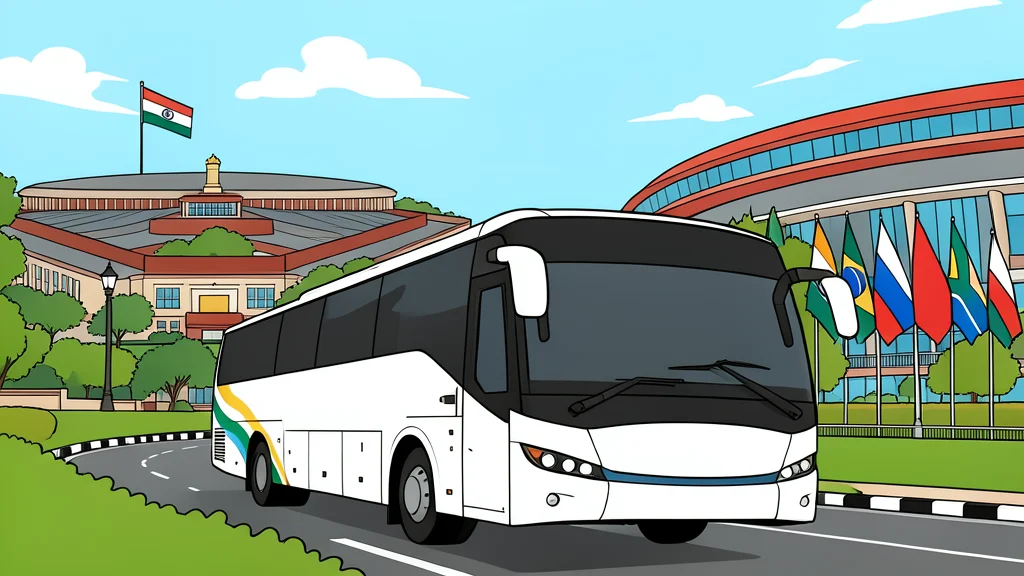
The 18th BRICS Summit, held in New Delhi on September 12-13, serves as a key manifestation of these changes. Chaired by India, the event featured the participation of key leaders including Chinese President Xi Jinping and Russian President Vladimir Putin. While the official theme focused on resilience and sustainability, observers note that the summit's greater significance lies in the new power dynamics it helps to construct among its member states.
Strategic Balancing in South Asia
India’s position within BRICS is particularly nuanced, as it maintains an expanding strategic relationship with the United States while preserving its traditional ties with Russia. The summit provided a platform for Prime Minister Narendra Modi to review cooperation with President Putin in defense and energy sectors. This dual-track approach allows New Delhi to navigate its complex geopolitical environment without fully aligning with any single bloc.
A notable development was the meeting between Prime Minister Modi and President Xi Jinping. Despite ongoing tensions regarding borders and trade following the 2020 border incidents, this dialogue is viewed as a cautious step toward de-escalation. For South Asia, the fact that two major nuclear powers are engaging in political dialogue rather than confrontation is considered a positive development for regional stability.
BRICS as a Diverse Coalition
It is important to clarify that BRICS is not a unified ideological bloc or a socialist organization. The group includes nations with vastly different political systems, economic structures, and national interests. While China has a distinct socialist political structure, Russia and India operate under different frameworks. Therefore, viewing the group as a monolithic entity for building a specific political world is an oversimplification.
The central question surrounding BRICS is whether it is facilitating the creation of multiple power centers to replace the dominance of a single hegemon. If so, this shift has significant implications for developing and small nations. Historical patterns suggest that when one power holds extraordinary dominance, smaller countries often face higher costs in the global system. A more balanced, multi-polar environment may offer greater strategic autonomy for these states.
Opportunities for Nepal and Small States
For countries like Nepal, the evolving global landscape presents both challenges and opportunities. As the power balance shifts, smaller nations may find themselves with more leverage to negotiate favorable terms in trade and diplomacy. The existence of multiple competing power centers can prevent any single actor from dictating terms, potentially allowing smaller states to play different powers against each other to their advantage.
However, this requires careful and strategic navigation. Small nations must maintain their neutrality and avoid being drawn into the competing interests of larger powers. The forward question for policymakers in Nepal and other small states is how to capitalize on the new dialogue channels opened by BRICS while safeguarding their sovereignty and economic interests in a fragmented global market.