Modi Pushes for Equitable Global Governance at BRICS Summit
Indian Prime Minister Narendra Modi has called for a structural overhaul of international institutions, arguing that the Global South must transition from passive observers to active decision-makers in global affairs.
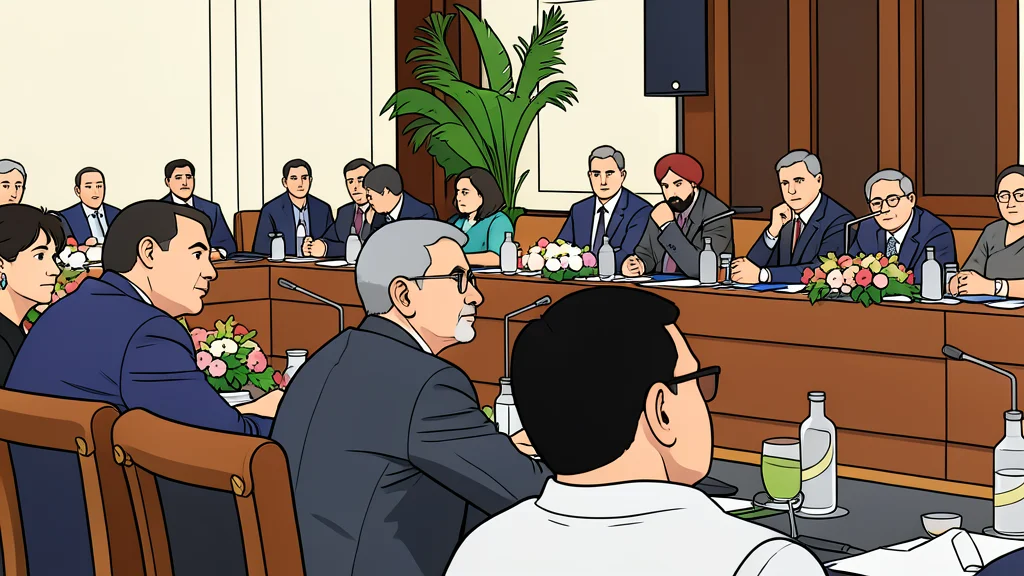
Speaking at the BRICS summit in New Delhi, Prime Minister Narendra Modi urged member states to move beyond mere participation in international organizations. He argued that countries from the Global South currently occupy a peripheral role in the formulation of global policies, despite being on the front lines of contemporary challenges. According to the Indian leader, this disparity must be corrected to ensure that international bodies reflect the true balance of power and influence in the modern world.
Modi proposed the development of a comprehensive roadmap for reforming global governance, with a target for completion by the next group summit. This initiative, reported by the GN auto geopolitics/global international summit, aims to shift the current hierarchical structure of international relations toward a more collaborative model. The goal is to create a platform where every nation has a genuine stake in outcomes, rather than a system where privileges are concentrated among a select few.
Framework for equitable participation
The proposed roadmap is intended to be built upon ten specific proposals designed to reshape the group's approach to global issues. According to NDTV World, these proposals rest on three core principles: improved representation, the capacity to respond to emerging challenges, and active involvement in rule-making processes. Modi emphasized that the current system often leaves Global South nations at the margins when critical decisions are made, a dynamic he described as outdated and inequitable.
The Indian prime minister advocated for transforming the existing pyramid of privileges into a platform of partnership. In this envisioned model, the center of activity would be humanity's collective progress, with each participant holding a meaningful voice. This shift represents a significant departure from the traditional Western-led governance structures that have dominated international institutions since the end of the Second World War.
Urgency for UN Security Council change
Modi stated that reform of the United Nations Security Council can no longer be postponed. He called for text-based negotiations on this issue to be linked to clear timelines and concrete outcomes, arguing that the current structure fails to represent the geopolitical realities of the twenty-first century. The emphasis on tangible results suggests a desire to move beyond prolonged diplomatic discussions that have historically stalled meaningful change in the UN system.
Aligning financial institutions with reality
The call for reform extends to international financial institutions, where Modi argued that voting shares and leadership positions should reflect modern economic realities. He contended that the current distribution of power in these bodies does not adequately account for the growing economic weight of emerging markets. By aligning institutional priorities with contemporary economic data, the group aims to create a more responsive and legitimate global financial architecture.
As BRICS nations continue to coordinate their economic and political strategies, the focus on governance reform highlights a broader trend among developing countries. The upcoming roadmap will be a critical test of the group's ability to translate rhetoric into actionable policy. Observers will closely watch how these proposals are received by other major powers and whether they lead to substantive changes in the global order.