Burnham Links Falklands to Russia in UN Speech
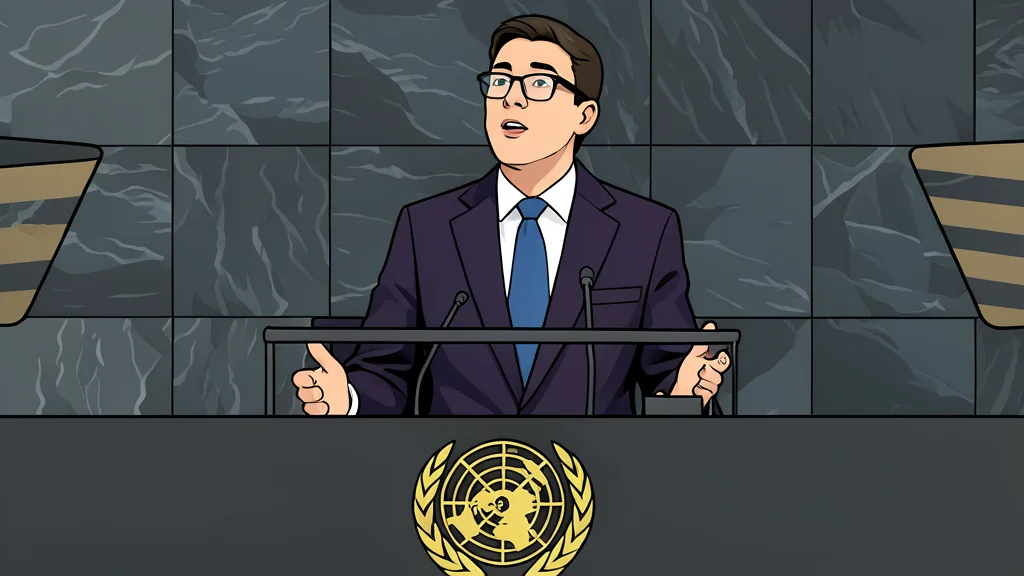
British PM Andy Burnham grouped the Falklands with Russia as threats to the rule of law during his UN address, while the Chagos deal faces uncertainty.
Key points
- Prime Minister Burnham linked the Falklands to Russia as threats to the rule of law in his UN speech.
- The Chagos Islands sovereignty deal faces uncertainty after Trump called it terrible and ridiculous.
- Burnham alleged Russian information interference costing £1.3 billion annually and proposed a new defense center.
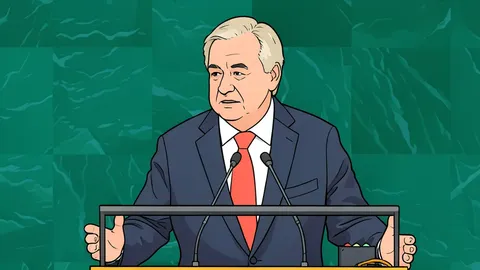
British Prime Minister Andy Burnham placed the Falkland Islands among the primary challenges to the rule of law in his inaugural address to the United Nations General Assembly. Speaking from New York on Tuesday evening, he grouped the archipelago in the same context as Russia, marking a significant escalation in the diplomatic framing of the sovereignty dispute.
During the session, Burnham stated that the United Kingdom would stand firm against threats to legal integrity. He explicitly cited the rights of British territories to remain British, referencing the Falklands, while notably omitting any direct mention of Argentina. This approach contrasts with his recent parliamentary remarks, where he pledged to be relentless in defending the islanders' choice, and follows a briefing with US President Donald Trump where the issue was raised.
Chagos Agreement Faces Uncertainty
The diplomatic stance coincided with growing doubts over the Chagos Islands agreement, which transfers sovereignty to Mauritius while retaining a lease for the Diego Garcia base. According to reports, President Trump described the deal as terrible and ridiculous, prompting Burnham to acknowledge he would be reviewing the arrangement. When asked by the BBC if the agreement was effectively dead, the prime minister did not deny it, citing the need for a resolution that safeguards the base's future.
The financial implications of the Chagos deal are subject to varying calculations, adding complexity to the political debate. The government cites a net present value of £3.4 billion, spread over 99 years, while the Conservative opposition argues for a nominal cash total of £34.7 billion. A third assessment places the cost at approximately £10 billion, highlighting the significant economic stakes involved in the territorial arrangement.
Information Warfare and AI Standards
A substantial portion of the address focused on what Burnham characterized as an industrial-scale assault on Britain’s information environment. The prime minister alleged that Russian agencies utilized bots, fake websites, and forged branding from 28 British organizations, including universities and the BBC, to amplify far-right narratives. He estimated Kremlin spending on such manipulation at around £1.3 billion annually, though these assertions were presented without accompanying public documentation.
In response, Burnham announced the creation of a National Centre for Information Defence and offered to share British experience with other nations. On the topic of artificial intelligence, he called for a single set of global principles and standards, intending to place the issue at the heart of Britain's upcoming G20 presidency. This stance stands in contrast to President Trump's rejection of any globalist regulatory schemes, signaling a potential divergence in international tech governance.
Broader Geopolitical Positions and Context
Beyond the territorial and technological issues, Burnham reaffirmed support for Ukraine and criticized Russian strikes on civilian energy infrastructure. Regarding the Middle East, he stated that the Israeli government's actions in Gaza and the West Bank are not justified, following a condemnation of the Hamas attack of October 7, 2023. He listed measures taken with Foreign Secretary Ed Miliband, including banning trade with illegal settlements and recognizing the occupation as unlawful.
The context of these statements is further complicated by ongoing legal and political actions from Argentina, which claims sovereignty over the archipelago. According to MercoPress, Argentina has 60 administrative proceedings open and three criminal complaints covering ten companies, though none have resulted in proven penalties. The 2013 referendum, in which 99.8% of voters chose to retain British status, remains a central point of reference for the UK government as it navigates these complex international relations.