New Delhi Summit Signals Shift in Global Power Dynamics

The 18th BRICS Summit in India marks a pivotal moment for the Global South, as leaders seek to reshape economic and diplomatic structures away from Western dominance.
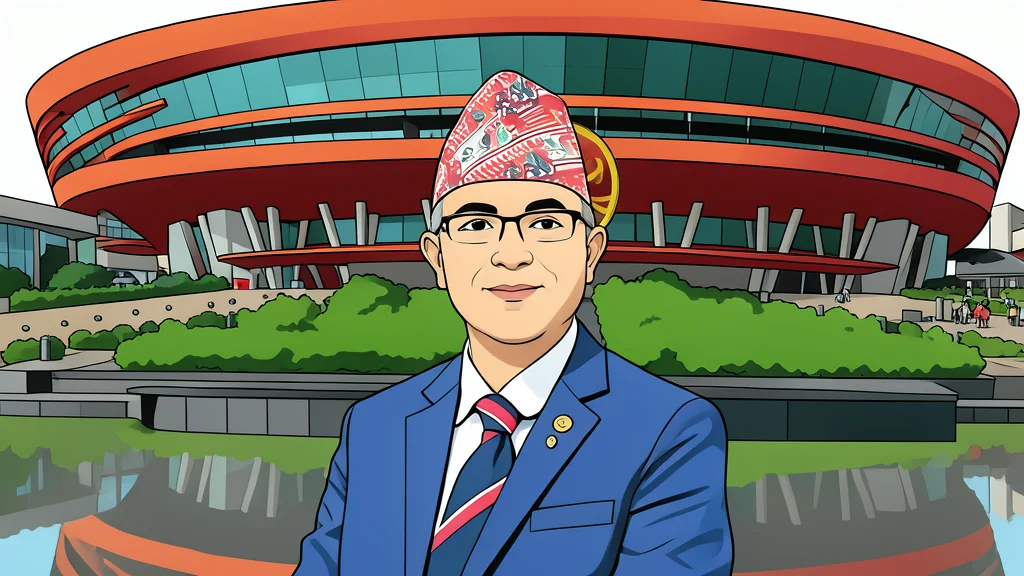
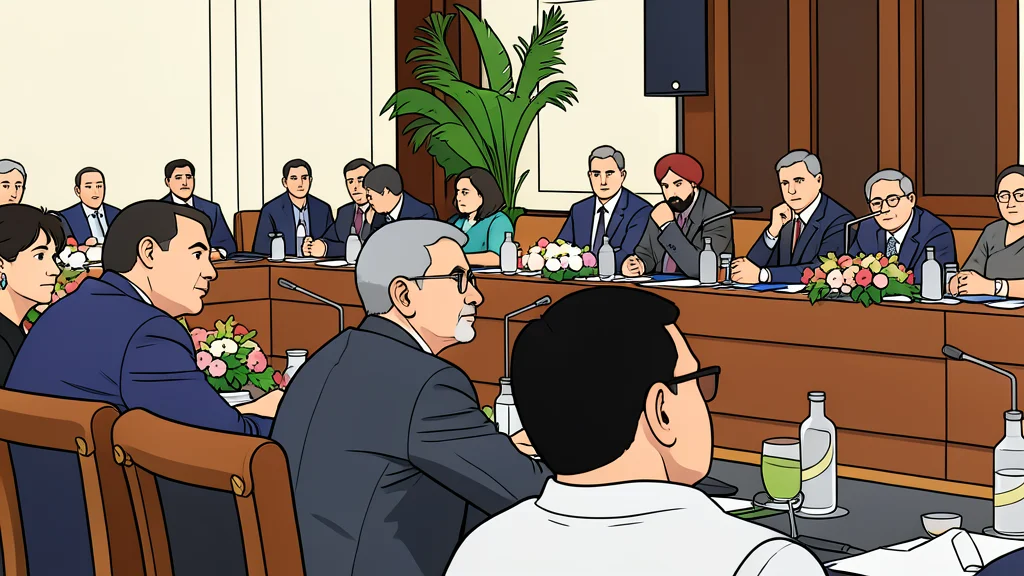
The 18th BRICS Summit, currently underway in New Delhi under India's presidency, has emerged as a focal point for discussions on reshaping the global order. Held from September 12 to 13, 2026, at the Bharat Mandapam venue, the gathering brings together leaders from eleven full member states and various partner nations. According to the GN auto geopolitics/global report, this expansion signifies a significant challenge to the traditional monopolistic decision-making processes historically dominated by Western institutions.
The summit is framed by the theme of resilience, innovation, and sustainable development, reflecting a two-decade journey of the bloc. Key figures from major powers, including Russia, China, and Iran, are present, underscoring the event's role not merely as an economic forum but as a strategic diplomatic platform. The convergence of these nations highlights a growing trend among developing countries to coordinate their positions on international trade and geopolitical balance, moving toward a more multipolar world structure.
Economic Decoupling and Financial Alternatives
A central pillar of the agenda involves reducing reliance on the US dollar in international transactions, a process often referred to as de-dollarization. Participants are prioritizing the increased use of local currencies in bilateral trade to mitigate exposure to external financial shocks. This shift is closely linked to the strengthening of the New Development Bank, which aims to provide alternative financing channels for infrastructure and development projects. According to observers, these measures are designed to secure supply chains and offer member states greater autonomy in their economic policies.
The push for alternative financial systems is part of a broader strategy to diversify economic partnerships. By fostering trade within the bloc and with other emerging economies, BRICS nations seek to create a more resilient economic architecture. This approach contrasts with the historical influence of institutions like the International Monetary Fund and the World Bank, which have long been the primary venues for global financial governance. The current initiatives suggest a deliberate effort to build parallel structures that can operate independently of Western-led frameworks.
Strategic Coordination Among Emerging Powers
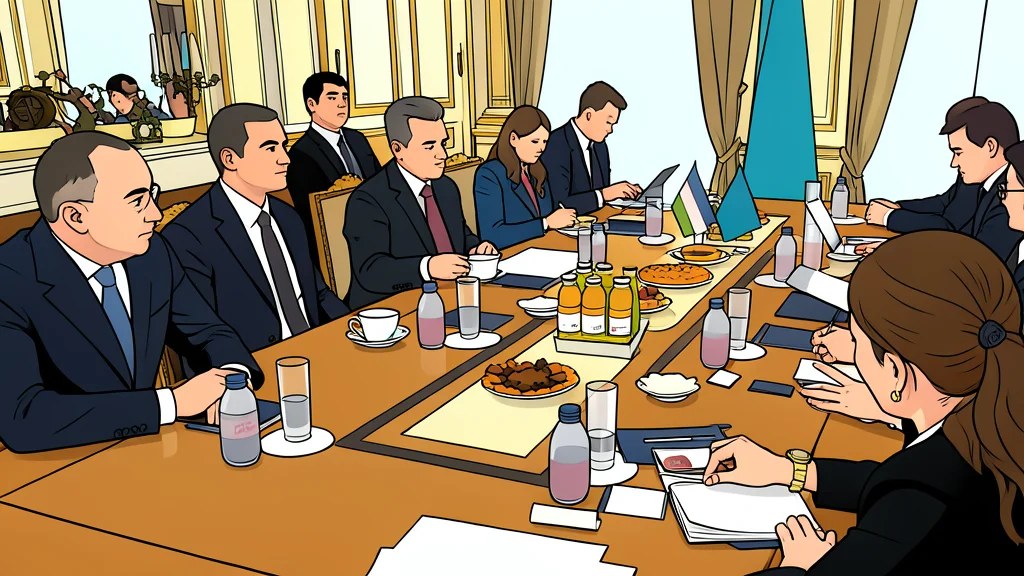
The presence of leaders from diverse regions indicates that the summit is also a venue for diplomatic coordination. While internal differences among member states remain, the collective voice of the Global South is gaining weight in international forums. This unity is seen as a progressive step in challenging established geopolitical hierarchies. The summit serves as a platform for aligning positions on security, trade, and development, allowing these nations to present a unified front on issues of mutual concern.
Analysts note that the strategic significance of this gathering lies in its ability to bridge economic and diplomatic objectives. The interactions between major powers such as China and Russia, alongside other emerging economies, suggest a complex web of alliances and rivalries. However, the shared interest in reducing external dependency and promoting mutual growth provides a common ground. This cooperative framework is viewed as a necessary evolution for countries seeking to protect their sovereign interests in a polarized global environment.
Future Implications for Global Governance
Looking ahead, the outcomes of the New Delhi summit are expected to influence the trajectory of global governance. The emphasis on multipolarity suggests that the international system is undergoing a structural transformation. As BRICS continues to expand its membership and deepen its financial integration, it may further alter the balance of power in international relations. The next steps will likely involve the implementation of agreed-upon financial mechanisms and continued diplomatic engagement among member states.
The coming months will be critical in assessing the tangible impact of these discussions. Observers will watch for developments in trade agreements, the operational capabilities of the New Development Bank, and the diplomatic responses from Western nations. The summit has established a clear direction for the Global South, prioritizing self-reliance and cooperative development. Whether this momentum translates into lasting structural changes in the global order remains the key question for the foreseeable future.