Nigeria Seeks Systemic Reform at BRICS Summit

President Bola Tinubu calls for urgent changes to international financial institutions and global governance during the 18th BRICS Leaders’ Summit in New Delhi.
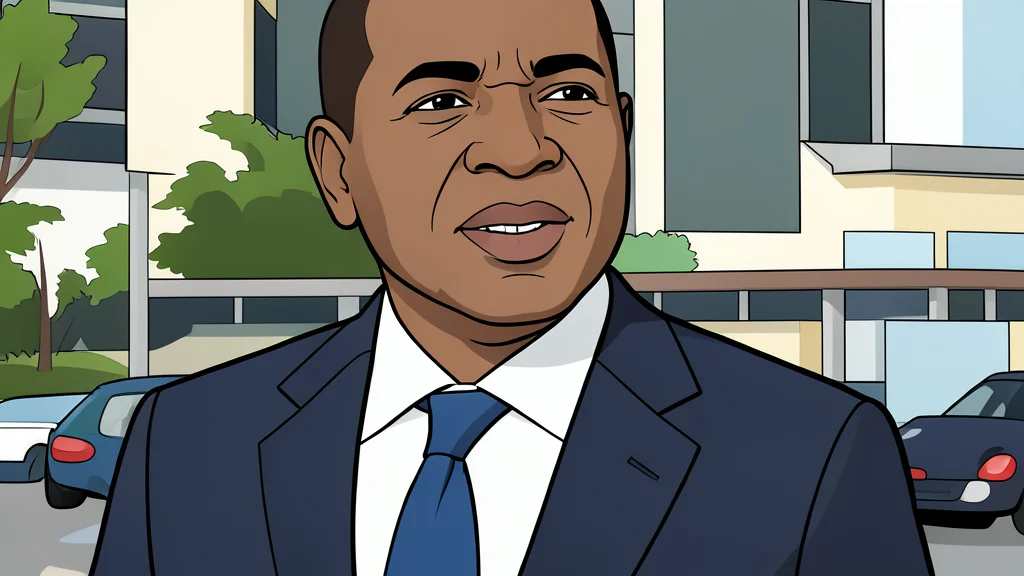
Nigeria has called for a comprehensive overhaul of the global governance structure and international financial institutions, according to statements made at the ongoing 18th BRICS Leaders’ Summit in New Delhi. President Bola Tinubu, who was represented by Vice President Kashim Shettima, argued that the current international architecture requires urgent transformation to better reflect contemporary economic and demographic realities. This position was articulated as Nigeria participated in the session as a BRICS Partner Country, joining other nations such as Cuba, Uganda, and Malaysia in an expanded platform for discussion on economic cooperation and sustainable growth.
The call for reform was reported by the News Agency of Nigeria, which noted that the summit provided a significant opportunity for countries outside the core BRICS membership to engage in high-level dialogue. The discussions centered on trade resilience, technology development, and the need for a more inclusive international order. By participating in this capacity, Nigeria aimed to amplify the voice of the Global South and push for institutions that are more responsive to the needs of developing nations, consistent with the broader goals of the BRICS grouping.
Pushing for equitable representation
According to the source material from the GN auto geopolitics/global international summit desk, Tinubu specifically highlighted the need for greater representation within key global bodies. He stated that Nigeria supports a more equitable and responsive global governance architecture, which includes the reform of the United Nations Security Council and the international financial system. The administration emphasized that the transformation championed by BRICS must extend beyond its own framework to reshape the broader international system, ensuring that it aligns with the economic weight and demographic profile of today’s world.
This stance reflects a broader diplomatic strategy to position Nigeria as a pivotal player in multilateral forums. By advocating for structural changes, the Nigerian leadership seeks to ensure that decision-making processes are no longer dominated by a narrow set of historical powers. The emphasis on equitable representation suggests a desire to create a more balanced global order where the interests of emerging economies are adequately protected and advanced through institutional mechanisms.
Shifting from dialogue to delivery
Beyond structural reform, the Nigerian delegation pressed for a shift in the nature of BRICS cooperation from theoretical dialogue to tangible implementation. Tinubu called for a partnership that moves from commitments to measurable development outcomes, urging foreign investors to view Nigeria as a gateway to Africa’s expanding market under the African Continental Free Trade Area. This approach is embedded in the administration’s Renewed Hope Agenda, which focuses on strengthening macroeconomic stability, diversifying production, and expanding infrastructure to create sustainable opportunities for citizens.
The president outlined specific areas of desired cooperation, including trade, agriculture, energy, and critical minerals. He emphasized the importance of technology transfer and value addition, arguing that developing countries must produce their own technology and own their intellectual property to avoid renting their future. By framing Nigeria’s young and dynamic population as a key asset, the administration positioned the country as a hub for innovation, entrepreneurship, and technology-enabled businesses within the BRICS network.
Prioritizing technology and climate resilience
The summit discussions also highlighted a strong focus on emerging technologies and climate-smart development. Tinubu expressed support for deeper cooperation in artificial intelligence, digital public infrastructure, fintech, and advanced manufacturing. He noted that these sectors are critical for building an economy capable of withstanding global shocks while fostering long-term growth. The administration welcomed partnerships that advance clean technologies, renewable energy, and responsible critical-mineral development, linking climate responsibility directly to broader economic objectives.
This forward-looking strategy underscores Nigeria’s intention to leverage BRICS cooperation for human capital development and industrialization. By prioritizing areas such as biotechnology, cybersecurity, and sustainable infrastructure, the country aims to integrate itself more deeply into the global supply chain and knowledge economy. The emphasis on resilience suggests that the Nigerian government is preparing for a volatile global landscape, seeking partnerships that provide both immediate economic benefits and long-term strategic stability.