Putin Urges Reform of Global Financial Institutions at BRICS Summit
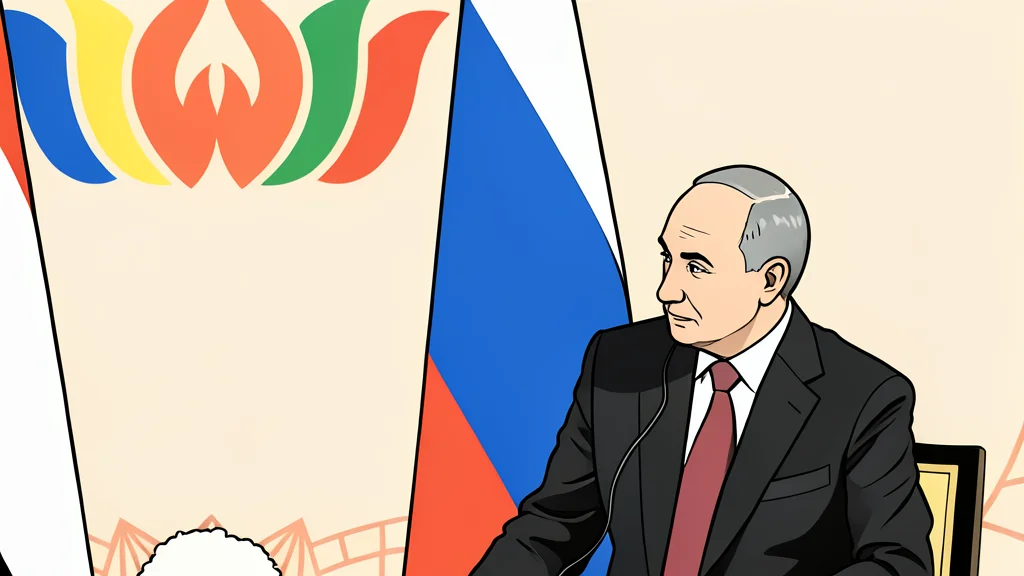
The Russian President argued that major international bodies must evolve to reflect the shifting center of global commerce and the rise of digital economies.
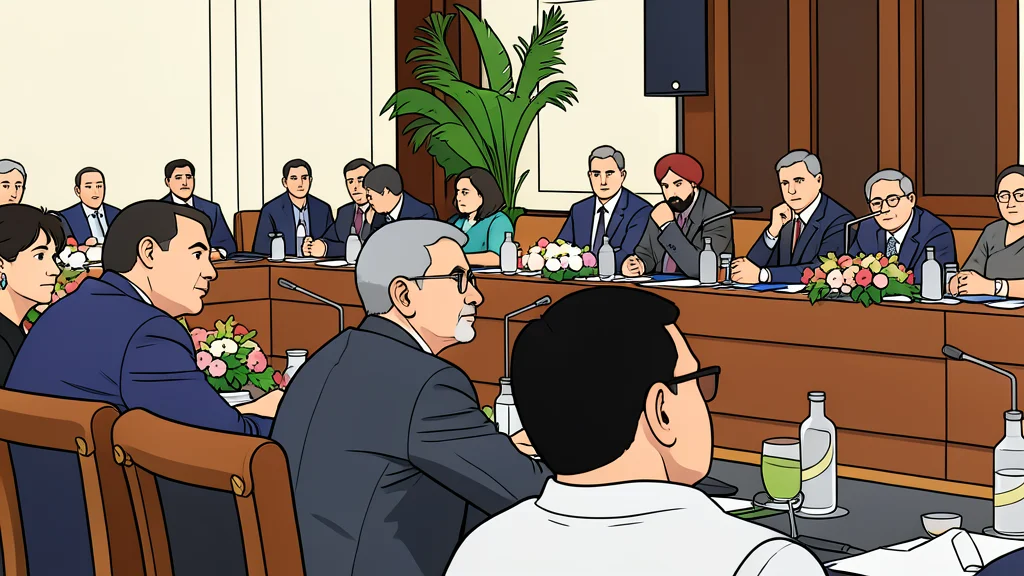
Vladimir Putin has called for a fundamental reassessment of the international financial architecture, arguing that key global institutions are increasingly misaligned with contemporary economic realities. During his address at the BRICS summit, the Russian President asserted that the International Monetary Fund, the World Bank, and the World Trade Organization were constructed based on political and economic conditions that no longer fully define the current global landscape.
According to statements released by the Afghan Voice Agency, Putin emphasized that as commercial activity continues to pivot toward developing markets, these established bodies must undertake a serious review of their structures and operations. He suggested that the current frameworks are insufficient to manage the complexities of a modern global economy that is becoming more multipolar and digitally integrated.
Structural Misalignment in Global Trade
The critique centers on the idea that the existing governance models are relics of a previous era. Putin noted that the rapid expansion of trade in emerging economies has outpaced the adaptability of institutions designed in the mid-twentieth century. This perspective reflects a broader sentiment among BRICS nations, which have increasingly sought to reduce their reliance on Western-dominated systems in favor of more inclusive regional mechanisms.
New Frameworks for Digital Economies
Beyond traditional trade, the Russian President highlighted the urgent need for new regulatory environments in transformative sectors. He identified the platform economy, financial technologies, and digital trade as areas where current legal structures are inadequate. Putin argued that these rapidly evolving fields require entirely new institutional frameworks to ensure stability and fair competition in a world where digital assets and services are becoming central to economic activity.
This push for innovation in governance aligns with the broader BRICS strategy to establish parallel institutions that can offer alternatives to existing global standards. By focusing on fintech and digital trade, the group aims to create a regulatory landscape that is responsive to the speed of modern technological change, rather than being constrained by legacy bureaucratic processes.
BRICS Role in Economic Future
Concluding his remarks, Putin stated that the BRICS group is prepared to play a decisive role in shaping the trajectory of the global economy. This declaration underscores the group's ambition to not only participate in but to influence the rules governing international finance and trade. The summit serves as a platform for these nations to coordinate their positions and potentially accelerate the development of new financial instruments and trade agreements.
Observers will now watch for concrete steps toward the proposed reforms, including potential shifts in voting rights at existing institutions or the launch of new BRICS-specific initiatives. The coming months are expected to reveal whether these rhetorical commitments translate into tangible policy changes that could reshape the international economic order.