Iran's Regional Leverage Strains Gulf Diplomatic Gains
Tehran's use of pressure across the region is putting its rapprochement with Gulf states under increasing strain, as recent events in Yemen and the Red Sea challenge the stability of the 2023 Beijing-brokered agreement.
The diplomatic thaw between Iran and Saudi Arabia, facilitated by Beijing in 2023, has faced its most severe test yet. According to Al Jazeera English, recent military escalations have placed significant strain on the framework that had allowed the two nations to manage strategic rivalry without direct regional conflict. The situation has moved from a period of managed coexistence to one where security concerns are once again driving foreign policy decisions, threatening the fragile stability that had begun to take shape in the Gulf.
This deterioration is not merely a diplomatic setback but a structural challenge to Tehran’s regional strategy. The core question facing analysts is whether Iran can maintain stable relations with its Arab neighbors while simultaneously leveraging a network of actors capable of threatening their security. Recent developments suggest that the answer may be increasingly difficult to sustain, as the geographic scope of confrontation expands beyond traditional borders and into critical maritime corridors.
Yemeni Conflict Crosses Regional Borders
A significant shift occurred in September when hostilities in Yemen crossed into Saudi territory. Houthi forces launched coordinated drone and missile attacks on several Saudi cities, including Abha and Jizan. This marked a departure from the previous phase of the conflict, which had largely remained contained within Yemen. The attacks drew the consequences of the war directly into the Gulf security environment, signaling a willingness to project pressure beyond the immediate battlefield.
The timing of these strikes coincided with renewed fighting around the Bab al-Mandeb strait, a critical maritime chokepoint. By mid-September, the escalation had resulted in the displacement of tens of thousands of people within Yemen and pushed others across the Red Sea to Djibouti. The strategic dimension of the conflict has become evident as control over geographic space and the capacity to exert pressure beyond national borders take precedence over traditional territorial gains.
Maritime Chokepoints Define New Pressure
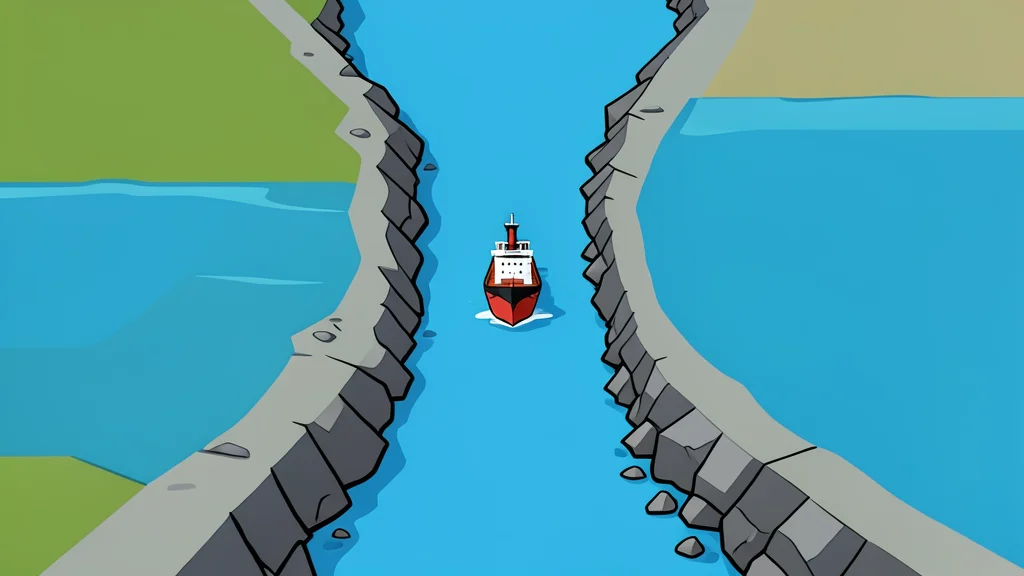
The escalation is unfolding against a backdrop of heightened tensions in other maritime regions. Following the conflict that began in February, restrictions on shipping through the Strait of Hormuz have sharply increased the importance of Saudi Arabia’s western export routes via the Red Sea. This shift has elevated the strategic significance of Bab al-Mandeb as an alternative gateway for energy flows, linking two maritime theaters that are often analyzed in isolation.
Simultaneous pressure around Hormuz and the Red Sea creates a broader geography of strategic vulnerability. This expanded scope extends the consequences of confrontation well beyond the immediate conflict zones. In this context, the position of Houthi forces along Yemen’s western coast assumes a significance that transcends the internal dynamics of the Yemeni war, becoming a key point through which pressure can be exerted across the wider regional security system.
Diplomatic Framework Faces Structural Strain
The central issue is not necessarily the degree of direct command Tehran holds over Houthi military decisions. Rather, it is whether developments in Yemen advance or complement Iran’s broader strategic objectives. When pressure around Hormuz coincides with instability in the Red Sea, the cumulative effect challenges the premise of the 2023 agreement. The ability to maintain diplomatic space while sustaining a network capable of direct security threats is becoming an increasingly untenable position for Tehran.
The forward question now centers on whether the Gulf states will continue to pursue diplomatic engagement or if security concerns will lead to a reversion to confrontational postures. The recent expulsion of Iranian embassy staff by Riyadh indicates a shift in policy priorities. As the geographic scope of pressure expands, the durability of the current diplomatic framework remains uncertain, with the coming months likely to reveal whether managed coexistence can survive the weight of sustained regional leverage.