Strait of Hormuz Conflict Drives Expanding Oil Spills
Satellite data indicates widespread petroleum contamination in the Persian Gulf as military operations disrupt shipping lanes and threaten fragile coastal ecosystems.
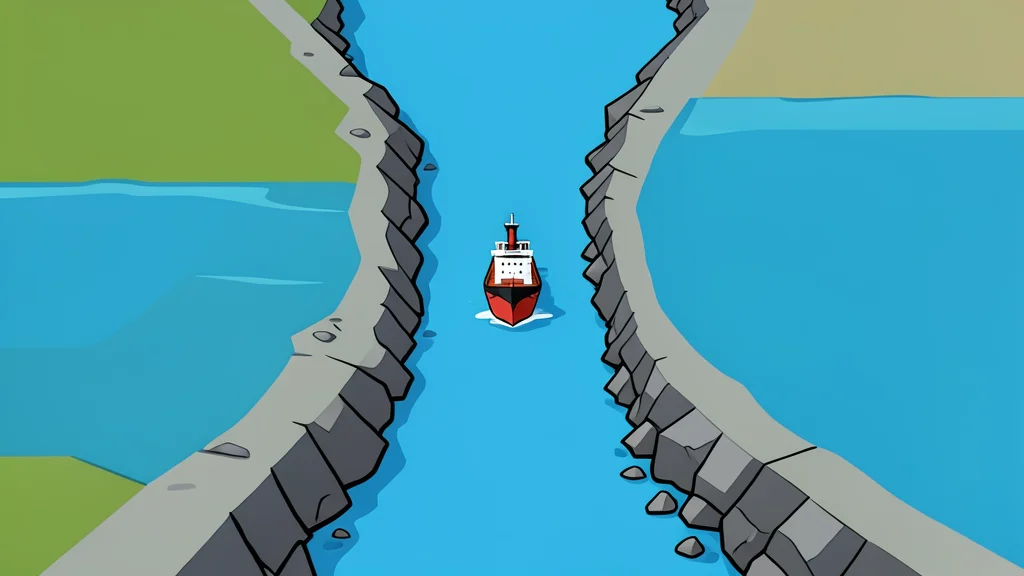
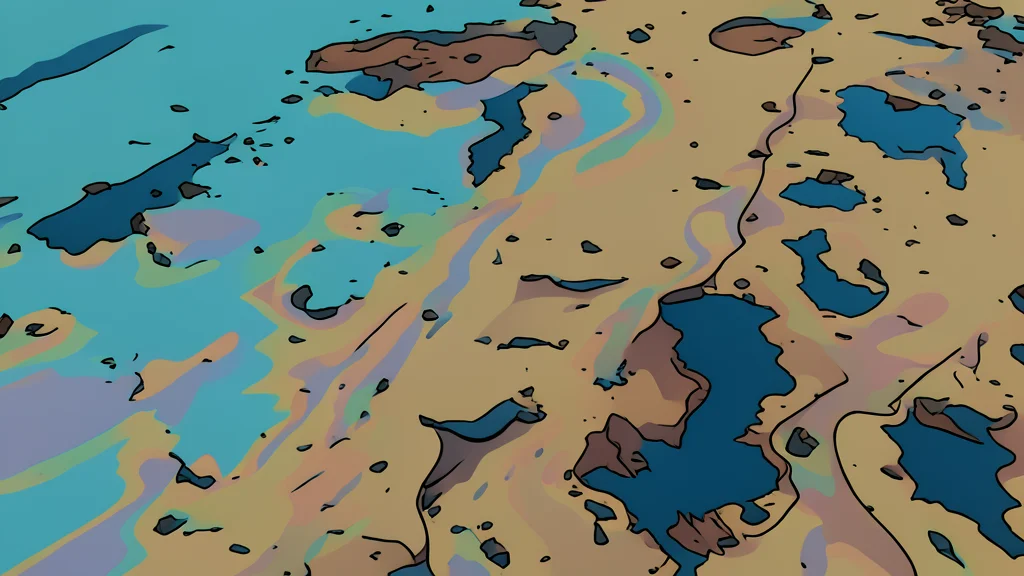
Satellite imagery is revealing a growing environmental crisis in the Strait of Hormuz, where recent military conflicts have resulted in significant oil spills. According to Deutsche Welle, the disruption of one of the world's busiest shipping lanes has led to a visible darkening of the water surface. Experts note that the visual signatures of these leaks are distinct against the blue ocean, indicating a severe breach in maritime safety and environmental protection.
The scale of the incident has expanded beyond isolated incidents to include multiple large-scale leaks. Environmental organizations report that the number of stranded tankers in the region has decreased significantly, yet the risk of further spills remains high. The situation has prompted urgent calls for attention to the long-term ecological consequences affecting the broader Persian Gulf region.
Visible Slicks Threaten Coastal Habitats
Recent assessments identified several major oil slicks with a combined visible area of hundreds of square kilometers. While weather conditions have caused some of these patches to disperse, experts warn that the ecological impact persists. Oil often sinks into sediment, where it can remain for years, disrupting the foundational health of marine environments. This lingering presence poses a persistent threat to local biodiversity.
The location of these spills is particularly concerning because they are drifting toward protected areas. Reports indicate that oil has been detected near national parks and mangrove forests in Oman and Iran. These ecosystems are critical for coral reefs and seabird breeding grounds. Damage to such fragile habitats can take decades to recover, highlighting the severity of the current situation.
Data Limitations Obscure Full Scope
Determining the exact extent of the contamination is complicated by various technical and political factors. Researchers rely on publicly available satellite data from the European Union’s Earth observation program, but private providers have restricted access to high-resolution imagery during the conflict. This is done to prevent the data from being used for military targeting, leaving a gap in the detailed monitoring of the spill's trajectory.
On-the-ground verification is also limited due to restrictive policies in the region regarding the sharing of imagery from the shore. Consequently, environmental groups caution that their current estimates are conservative. The true extent of the damage may be more severe than what is currently visible from space, making precise impact assessments difficult to achieve.
Ecological Consequences for Marine Life
The presence of oil in the Gulf poses immediate threats to wildlife and human health. For sea birds, petroleum coating is often fatal as it destroys natural waterproofing and buoyancy. This makes it difficult for them to stay afloat, fly, or hunt for food. Even small amounts of exposure can have devastating effects on individual animals and potentially disrupt wider population dynamics.
As the crisis continues, the focus remains on the long-term recovery of these ecosystems. The interplay between military activity and environmental stability has created a complex challenge for regional authorities. Monitoring the movement of remaining slicks and assessing the health of coastal communities will be critical in the coming months.