U.N. Panel Cites Reasonable Grounds for War Crime in School Strike
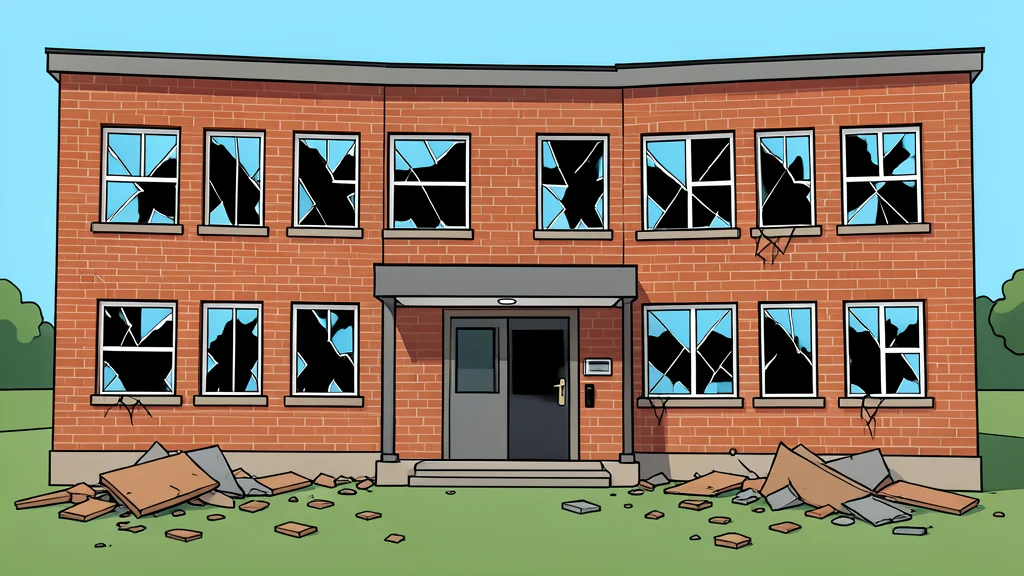
An independent U.N. mission has concluded that U.S. military actions during the recent conflict may constitute war crimes, specifically citing a missile strike on a primary school in Iran that resulted in significant civilian casualties.
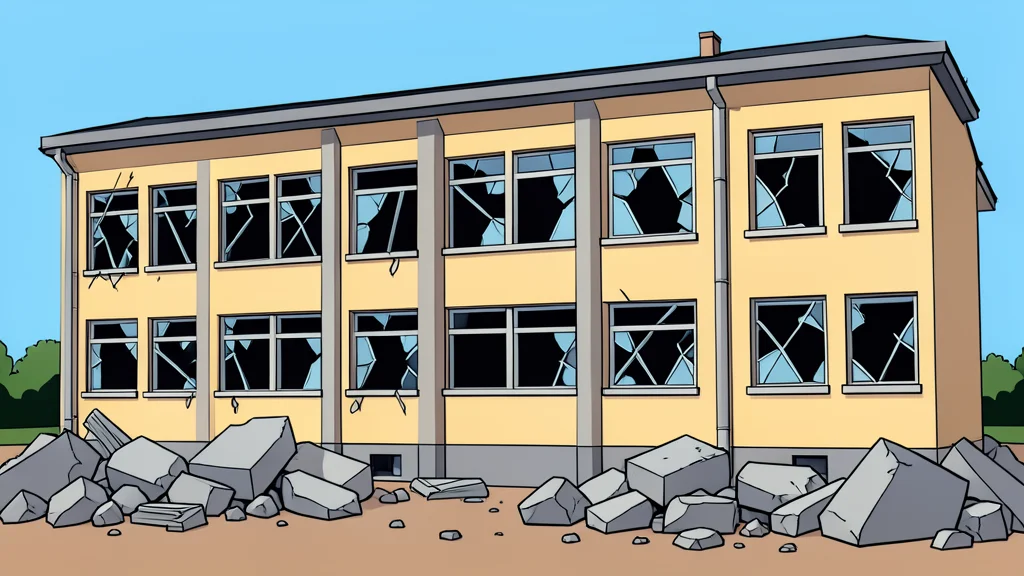
A United Nations-backed expert panel has determined there are reasonable grounds to believe that U.S. forces committed war crimes during their military operations against Iran. The finding centers on two specific incidents, most notably a late-February airstrike on a primary school in Minab that killed approximately 150 civilians, according to the report submitted to the U.N. Human Rights Council in Geneva.
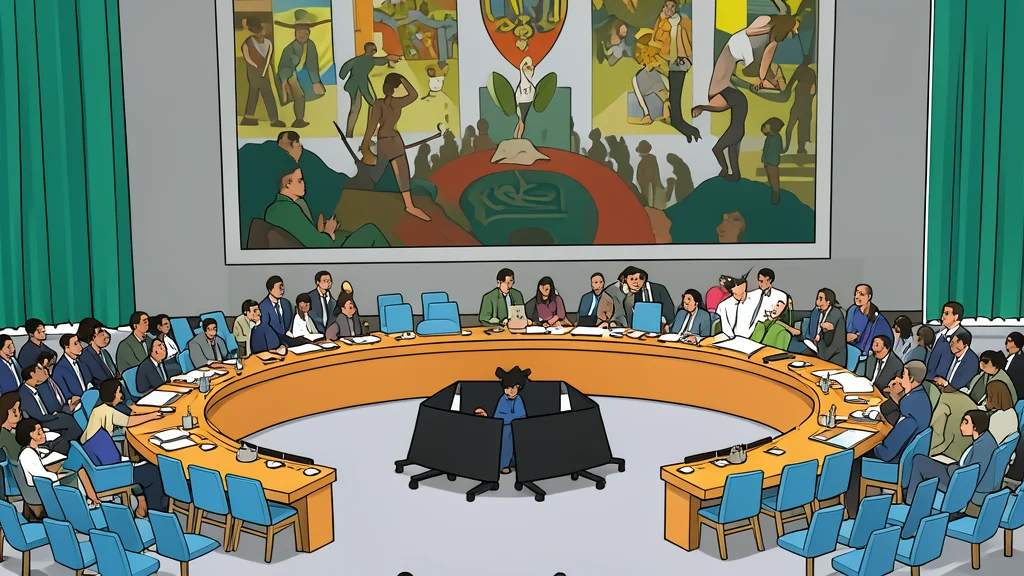
The independent fact-finding mission, commissioned by the U.N.’s top human rights body, stated that the strikes amounted to indiscriminate attacks resulting in the loss of civilian life and damage to civilian objects. While the report is not legally binding, it contributes to a growing body of evidence that could be utilized in future proceedings at international courts to pursue accountability for actions taken during the conflict.
Details on the Minab School Strike
The report highlights the Tomahawk cruise missile strike on the Shajareh Tayyebeh Primary School in Minab as the most severe incident of civilian harm resulting from U.S. operations in decades. According to the material provided by GN geopolitics/rights (en-US), investigators are examining potential missteps that led to the attack, including disconnected U.S. intelligence systems and missed warnings from an analyst who had noted that a former military facility was operating as an elementary school at the time.
In addition to the school strike, the mission examined a separate incident in Lamerd where clouds of tungsten pellets were dispersed over a sports complex and residential area, killing 22 people. The panel’s findings contrast with the official position of the U.S. government, which maintains that the Pentagon’s internal investigation into the Minab incident remains ongoing and declines to comment on external reports.
White House Rejects International Findings
The U.S. administration has firmly rejected the conclusions of the U.N. panel. White House spokeswoman Anna Kelly stated that the Human Rights Council has accomplished nothing for human rights while spouting unserious nonsense for decades. She argued that the Iranian regime is the only party that has committed war crimes, citing the government’s crackdowns on protesters and attacks in the region.
Despite the diplomatic pushback, the report also attributed gross human rights violations and crimes against humanity to the Iranian government, including recent violent crackdowns on domestic protesters. This dual attribution of blame by the U.N. mission places both parties under scrutiny, adding a complex layer to the ongoing geopolitical tensions and the potential for international legal challenges.
Implications for International Accountability
Although the 18-page report does not carry the weight of a court judgment, it represents a significant step in the documentation of events during the conflict. Legal experts suggest that such findings from independent U.N. bodies often serve as foundational evidence in later judicial processes. The divergence between the U.S. official narrative and the U.N. panel’s assessment underscores the ongoing struggle over historical record and legal responsibility in international conflicts.
As investigations continue on both sides, the focus now shifts to whether these documented incidents will trigger formal proceedings in international tribunals. The situation remains fluid, with the Pentagon maintaining that its internal review is still active and the U.N. council preparing to address the broader implications of the report in its upcoming sessions.