US Data Centers Set to Drive Massive Natural Gas Demand by 2035
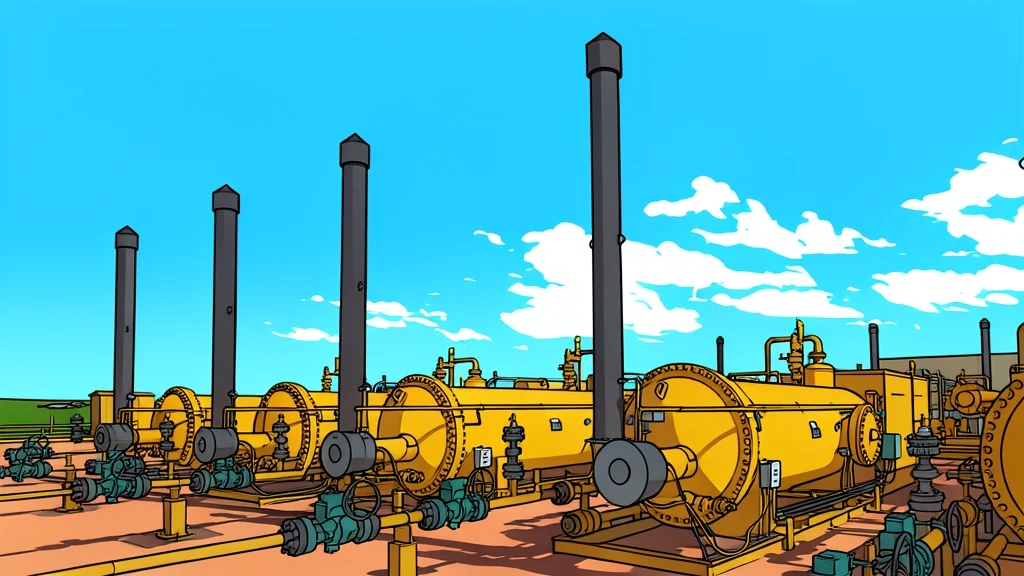
Bloomberg projects US AI data centers will consume 15 billion cubic feet of natural gas daily by 2035, a 117% increase over prior forecasts, as gas turbines bridge the gap before nuclear and solar infrastructure matures.
US artificial intelligence data centers are projected to emerge as the world’s fifth-largest consumer of natural gas by 2035, trailing only China, Russia, Iran, and the United States as a whole. This forecast, sourced from Bloomberg, indicates a significant acceleration in energy consumption, with daily usage expected to reach 15 billion cubic feet. This figure represents a 117% increase from the previous estimate of 6.9 billion cubic feet per day, driven by the sector’s growing reliance on gas turbine generators to secure immediate power capacity.
The expansion is tied to broader power grid constraints, with data centers expected to consume approximately 20% of total US electricity by 2035, equivalent to 194 gigawatts. As conventional power plant construction faces delays, operators are increasingly turning to onsite generation. This shift has created a new industrial demand for jet-engine technology, compounding existing shortages in the aviation sector and prompting major players to secure supply chains through leasing and in-house manufacturing.
Turbine Deployment Drives Supply Chain Shifts
Elon Musk’s deployment of gas turbines at the Memphis Supercluster in 2024 marked an early adoption of this infrastructure, despite regulatory hurdles regarding permits. Recognizing the bottleneck in turbine availability, Musk has since invested one billion dollars in a portable gas and diesel turbine leasing company. Additionally, SpaceX has announced plans to manufacture turbine blades in-house to alleviate the manufacturing constraints that currently limit the availability of these critical power units for data center operations.
Nuclear Alternatives Face Timeline Delays
While small modular reactors and microreactors, such as those from Ampera and Valar Atomics, represent the long-term solution for clean energy in AI facilities, they are not yet commercially viable. Hyperscalers including Amazon, Google, Microsoft, Nvidia, and Oracle have invested in these nuclear projects, but the technology requires several more years to reach scale. Consequently, industry leaders acknowledge that natural gas will remain essential for supplementing solar energy and bootstrapping power capacity during this transitional period.
Environmental Impact and Supply Shortfalls
The rapid deployment of gas turbines has drawn environmental scrutiny, with legal filings citing significant increases in local air pollution. A lawsuit against SpaceX AI noted that turbine usage at the Colossus 2 facility increased nitrogen oxide exhaust by 111%, PM2.5 particles by 83%, and formaldehyde emissions by 88%. While the company has pledged to replace unpermitted generators with a 1.2-gigawatt on-site plant, the transition is expected to take at least a year, maintaining short-term environmental pressure.
Market dynamics suggest a potential supply deficit, as domestic producers plan to raise output by 35 billion cubic feet per day over the next decade. This increase still falls short of the forecasted demand by approximately 11 billion cubic feet per day. Unless production expands further to meet consumption, natural gas prices are expected to rise, potentially straining consumer budgets. However, experts note that ample undeveloped US gas fields exist, offering the industry the capacity to increase supplies and mitigate cost pressures.