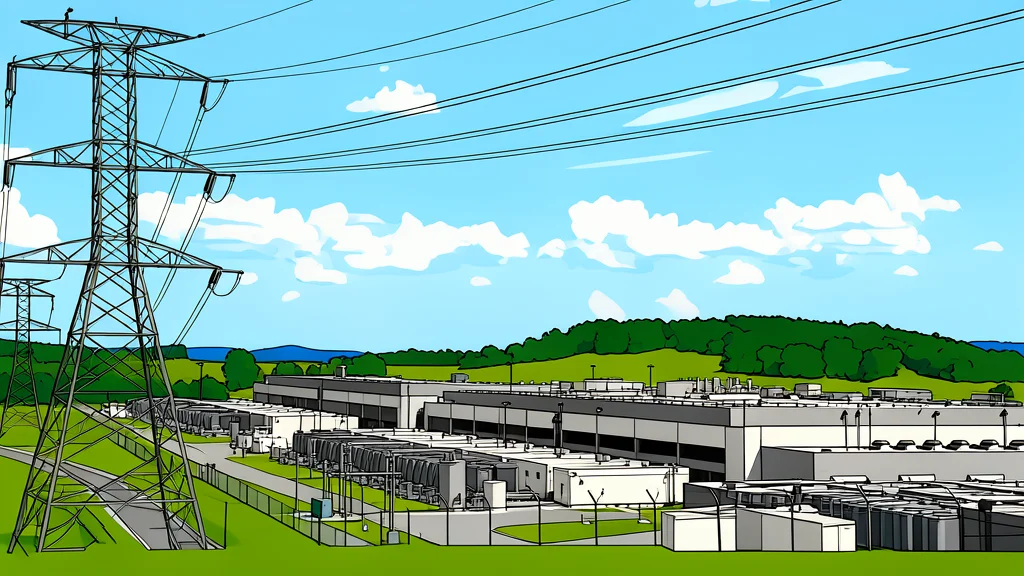
AI Data Centers Spark Tensions in Industrial Towns
Communities with histories of heavy industry are pushing back against new AI infrastructure, citing health risks and broken promises of local benefits.
Across the United States, a quiet conflict is emerging between the rapid expansion of artificial intelligence infrastructure and communities that have long borne the burden of industrial pollution. While data center developers promise economic growth and job creation, residents in areas with a history of heavy industry are increasingly skeptical. For many, the promise of prosperity rings hollow against the backdrop of chronic health issues and environmental degradation that have defined their neighborhoods for decades.
This resistance is particularly strong in places like Philadelphia, where the shadow of past industrial activity still looms large. Local activists argue that they are being asked to absorb the environmental costs of a new tech boom without receiving the promised benefits. The debate has moved beyond abstract concerns about energy use to tangible fears about air quality, noise, and the potential for further health disparities in communities already struggling with the aftermath of previous industrial projects.
Residents Recall Industrial Health Crises
For Shawmar Pitts, a longtime resident of Southwest Philadelphia, the debate over data centers is deeply personal. He grew up in the Grays Ferry neighborhood, located next to what was once the East Coast’s largest oil refinery. That facility shut down in 2019 after a major explosion, but the health impacts remained. Pitts joined the environmental justice group Philly Thrive in 2018 after seeing a list of common illnesses linked to refinery emissions. He recognized symptoms in his mother, his sister, and his neighbors, realizing that the community had been suffering from preventable health problems for years.
The trauma of that era persists. Sonya Sanders, board president of Philly Thrive, lost her husband to a rare bone cancer in 2020. He had not smoked or drunk alcohol, leading her to believe that long-term exposure to refinery pollution was the cause. At recent rallies, Sanders and other residents have explicitly linked their opposition to data centers with this history. They argue that their community has already paid a heavy price for industrial activity and should not be expected to accept another source of pollution and resource strain.
Energy Demand Outpaces Local Capacity
The scale of energy required for AI data centers is driving much of the opposition. Forecasts suggest that by 2035, U.S. data centers will consume more natural gas than Germany and Japan combined. This surge in demand is not just an abstract statistic; it translates into a significant increase in greenhouse gas emissions. Estimates indicate that additional data center demand could generate one million metric tons of pollution daily, which is roughly 12 percent of current U.S. emissions. This places an immense strain on local air quality and energy grids.
Furthermore, many proposed data centers rely on backup diesel generators to ensure uninterrupted power. In Pennsylvania, typical plans include hundreds of these engines. Critics point out that while these generators are often designated for emergencies, operational realities may lead to frequent use, spewing pollutants directly into nearby neighborhoods. This creates a direct trade-off: the region gains advanced computing power, but local residents risk further degradation of the air they breathe, a cost that is unevenly distributed across communities.
Promises of Jobs Fall Short
Proponents of data center construction often highlight the potential for new jobs and economic development. However, residents in affected areas argue that these promises are rarely fulfilled in the local context. Data centers are highly automated facilities that require relatively few workers for daily operations. The jobs created are often specialized roles that may not be accessible to the existing workforce in these communities. Consequently, the economic benefits tend to flow to corporate shareholders and high-level technicians, while the environmental and social costs remain local.
This disconnect has fueled a movement for a moratorium on new data center construction in Philadelphia. Although no formal proposals have been finalized yet, city officials have identified potential sites in areas with a history of industrial impact. The pushback is not merely about stopping construction; it is about demanding a different approach to infrastructure planning. Residents insist that any future development must prioritize environmental justice and tangible community benefits, rather than treating these neighborhoods as convenient locations for high-energy demand. As reported by GN technics/ai (en-US), this clash highlights the growing friction between global tech ambitions and local lived experiences.