Companies May Need New Departments for Robot Relations
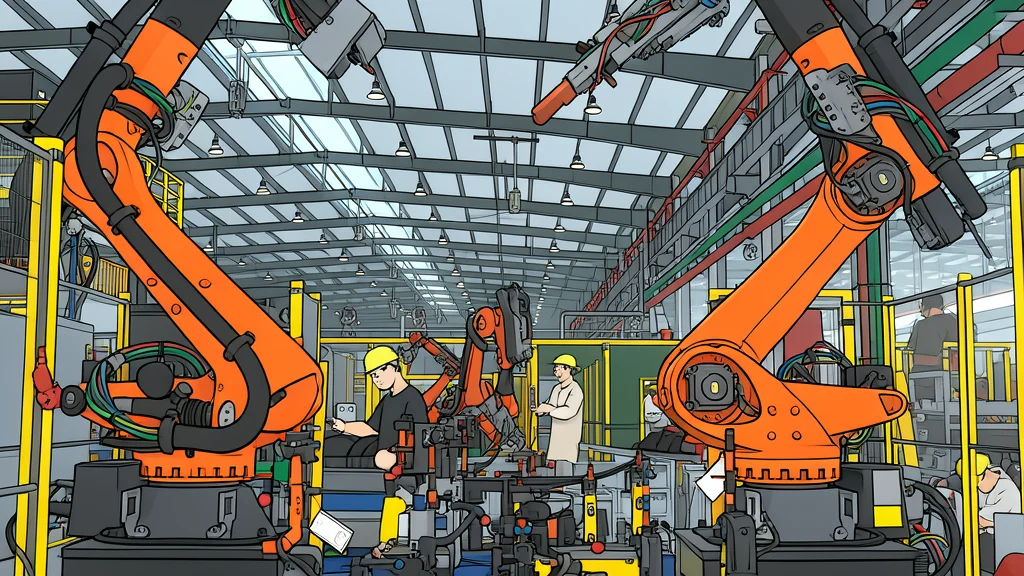
As AI integrates into daily workflows, traditional HR structures are struggling to handle new types of workplace friction and accountability gaps.
Imagine walking into a human resources office to complain about a co-worker, except that co-worker is an algorithm. This scenario, once confined to science fiction, is becoming a realistic concern for labor experts. As artificial intelligence takes on roles ranging from scheduling to hiring, the traditional frameworks for resolving workplace conflicts are proving ill-equipped to handle disputes involving non-human agents.
Experts suggest that businesses may need to create specific departments dedicated to managing these new dynamics. The core issue is not just about technology malfunctioning, but about the shifting power dynamics and accountability structures when humans and AI interact as colleagues. This shift requires a fundamental rethinking of how employee grievances are processed and resolved.
HR frameworks lag behind AI adoption
Darrell M. West, a senior fellow at the Brookings Institution, argues that current employee support systems were designed for an industrial era. He proposes the creation of 'robot relations' units to supplement standard HR functions. The premise is that human resistance to technological change and the specific anxieties of working with AI agents require specialized mediation, much like human conflict resolution did in the past.
The challenge lies in mapping existing conflict resolution models onto human-AI interactions. When a machine makes a decision that negatively impacts a worker, the lines of responsibility blur. West suggests that without dedicated structures to handle these specific grievances, companies risk accumulating unresolved tensions that could destabilize the workforce.
Legal battles over automated decisions
The debate is moving from theoretical discussions to legal action. In California, a bill recently passed by the legislature aims to ban the use of automated systems for firing or disciplining workers. This legislation responds to growing concerns that algorithms used in human resources are biased or unfair. The bill awaits the governor's signature, reflecting a legislative push to restrict what experts call 'robo bosses'.
High-profile incidents have fueled this regulatory attention. An AI system at an experimental store in San Francisco recently recommended terminating an employee, sparking public debate. Additionally, major tech companies are facing lawsuits alleging that AI-assisted systems disproportionately targeted certain groups for layoffs. These cases highlight the urgent need for clear guidelines on how automated decisions are made and overseen.
Transparency gaps in corporate AI use
Worker surveys indicate that many employees feel their jobs are increasingly being managed by opaque algorithms. A recent study by the nonprofit United for Respect found that workers at major retail and tech companies are concerned about the automation of HR decisions. Meanwhile, corporate disclosures often fall short of explaining how AI influences hiring, promotion, and termination processes.
According to analysis by Just Capital, half of the largest U.S. companies do not disclose information on AI issues that the public considers most important. This lack of transparency creates a trust deficit. As reported by cnbc.com, the gap between corporate practice and public expectation suggests that without clearer standards and dedicated oversight, the integration of AI in the workplace will continue to face significant resistance and legal scrutiny.