GlobalFoundries Expands Chip Capacity for AI Data Centers

A new manufacturing deal secures supply for critical AI networking components, reducing production bottlenecks but highlighting deep reliance on a few major customers.
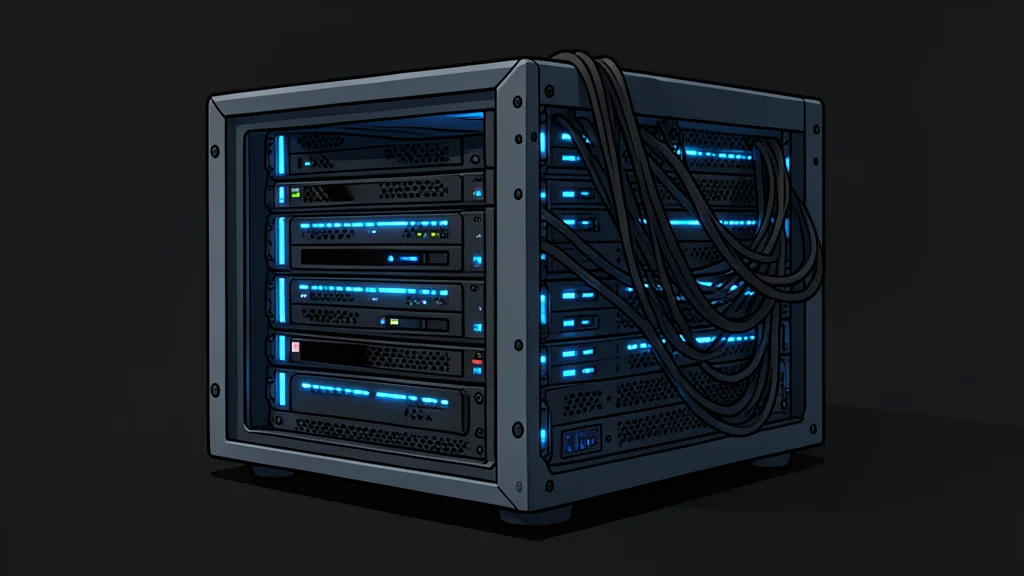
GlobalFoundries and Marvell Technology have strengthened a multi-year agreement to increase the production of silicon germanium chips at a facility in Vermont. These components are essential for high-speed optical transceivers, which act as the digital plumbing connecting servers in massive data centers. The expansion is a direct response to intense demand for faster connectivity required by artificial intelligence workloads and cloud infrastructure.
For investors, this move confirms that Marvell’s core products are central to scaling modern AI systems. By securing more manufacturing capacity, the company aims to keep up with the rapid growth of data center interconnects. However, while this solves a supply-side problem, it also underscores a significant strategic risk: Marvell’s revenue is heavily concentrated among a small number of hyperscale cloud providers who could potentially shift to internal solutions or rival suppliers.
Manufacturing capacity meets rising demand
The expansion at the Vermont fab is designed to address oversubscribed demand for high-performance optical networking. In simple terms, AI models require massive amounts of data to move between chips quickly and efficiently. Without sufficient capacity for these specific silicon germanium chips, the entire data center buildout could hit a bottleneck. By locking in this production, Marvell ensures it can deliver the hardware needed to keep these systems running at scale.
Concentration risk remains the primary concern
Despite the manufacturing win, the investment case for Marvell carries a distinct trade-off. A large portion of the company’s business depends on a few major cloud giants. If these customers decide to manufacture their own chips or switch to competitors, Marvell’s revenue could take a significant hit. The expanded capacity does not mitigate this customer concentration risk; it simply ensures that if orders continue, Marvell can fulfill them. This dependency creates a fragile foundation for long-term growth if market dynamics shift.
Diversification offers a modest buffer
To counterbalance its heavy reliance on AI data centers, Marvell is also pursuing growth in other areas. Recent initiatives, such as providing hardware for secure payment services with Microsoft, demonstrate an effort to diversify revenue streams. These compliance-driven products are less tied to the volatile cycles of AI server demand. While these new channels are currently a smaller part of the business, they provide a layer of stability that pure AI-play stocks often lack.
Analysts project substantial revenue growth for Marvell through 2029, but opinions vary widely on how sustainable this trajectory is. Some models suggest significant upside, while others remain cautious about the risks associated with hyperscaler insourcing. The expanded partnership with GlobalFoundries is a positive operational development, but it does not change the fundamental challenge of maintaining market share against large, vertically integrated competitors.