Record Gas Prices Drive American EV Interest
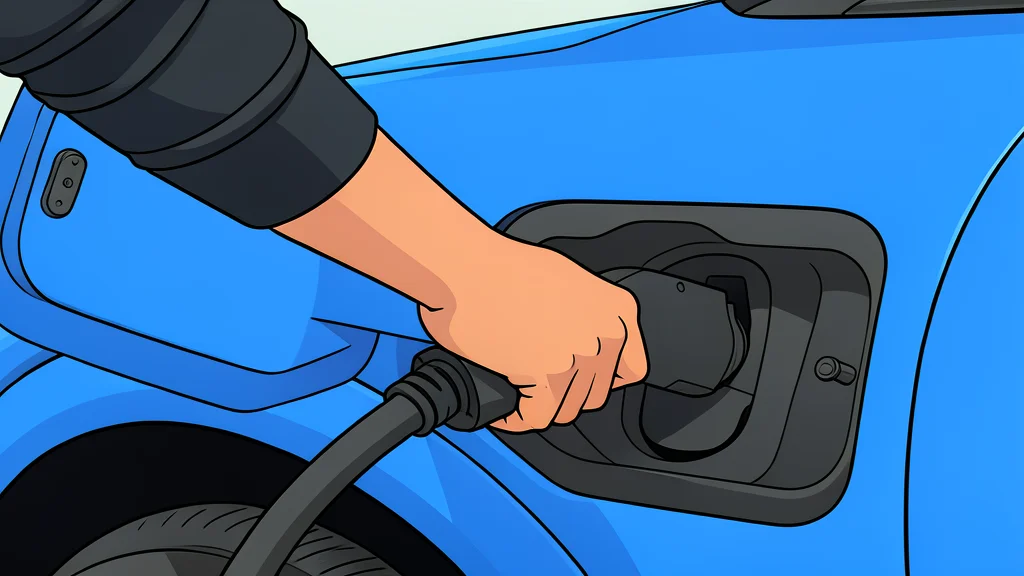
Rising fuel costs are shifting consumer sentiment, with a new survey indicating a significant jump in electric vehicle interest among US drivers.
A sharp increase in gasoline and diesel prices is prompting a rapid shift in American consumer behavior. As pump prices climb to record highs amid ongoing geopolitical tensions in the Middle East, more drivers are re-evaluating their transportation choices. This economic pressure appears to be outweighing previous hesitations regarding electric vehicle adoption.
Recent data suggests that over half of US drivers are now considering an electric car for their next purchase. This represents a dramatic reversal from last year, when the majority of consumers expressed a preference for sticking with internal combustion engines. The shift highlights how immediate financial costs can quickly override long-term policy preferences or initial skepticism.
Survey data shows major opinion shift
A study conducted by Here Technologies in collaboration with SBD Automotive reveals a stark contrast in public sentiment. In 2025, only 10% of drivers owning gas-powered cars were open to switching to electric models. This year, that figure has surged to 56%. The survey, which polled more than 4,000 participants, indicates that the primary driver for this change is not environmental concern, but rather the direct financial burden of high fuel costs.
The national average for regular gasoline has risen to just over $4.30 per gallon, while diesel prices have climbed above $6. For households already dealing with a cost-of-living crisis, these numbers make the total cost of ownership for gas vehicles increasingly difficult to justify. As a result, many drivers are now viewing electric vehicles as a practical economic solution rather than just a technological novelty.
Charging confidence rises with usage
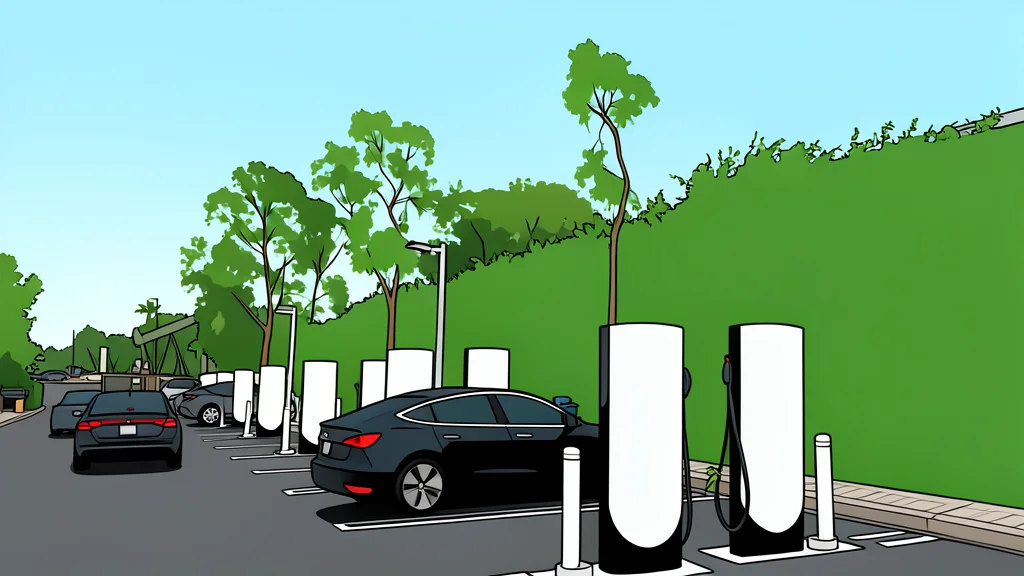
One of the persistent barriers to EV adoption has been the perceived inadequacy of charging infrastructure. However, the latest survey data shows a notable improvement in consumer confidence. In 2025, only 28% of drivers felt secure about the availability of charging stations. This year, that number has jumped to 47%, suggesting that existing infrastructure is becoming more visible and trusted by the general public.
Among current electric vehicle owners, 85% believe the current network is sufficient for their daily needs. This perception gap between existing owners and potential buyers is narrowing. As more people experience the convenience of home charging and improved public networks, the anxiety surrounding range and availability is diminishing, further lowering the barrier to entry for new buyers.
Policy and market forces collide
This market shift occurs against a complex political backdrop. According to GN auto tech/ev: electric vehicle, the recent administration has reduced tax incentives and scaled back charging infrastructure programs. Yet, the current surge in interest is driven by external economic factors rather than government subsidies. The high cost of fuel is effectively acting as a natural incentive, pushing consumers toward alternatives regardless of policy changes.
However, a significant trade-off remains. While interest is high, a large portion of car owners still find the upfront purchase price of electric vehicles to be prohibitive. The trend is likely to continue only if fuel prices remain elevated. If the geopolitical situation stabilizes and gas prices drop, the momentum for EV adoption could slow down, leaving the market vulnerable to price sensitivity.