New US Software Simplifies Humanoid Robot Training
A new domestic software layer allows U.S. researchers to start capturing high-quality training data for humanoid robots immediately upon unboxing, bypassing months of complex integration work.
For years, American research teams acquiring humanoid robots have faced a frustrating gap between purchasing capable hardware and actually using it. The machines often arrive with robust physical capabilities but lack a coherent domestic software environment, forcing engineers to spend months stitching together open-source libraries just to get basic movement working. Toborlife AI has addressed this bottleneck by releasing a full-body teleoperation system for the Unitree G1 Edu, a popular humanoid platform in U.S. labs. This software aims to bridge the divide between raw hardware and practical application, allowing researchers to skip the lengthy integration phase and begin generating useful training data from their very first session.
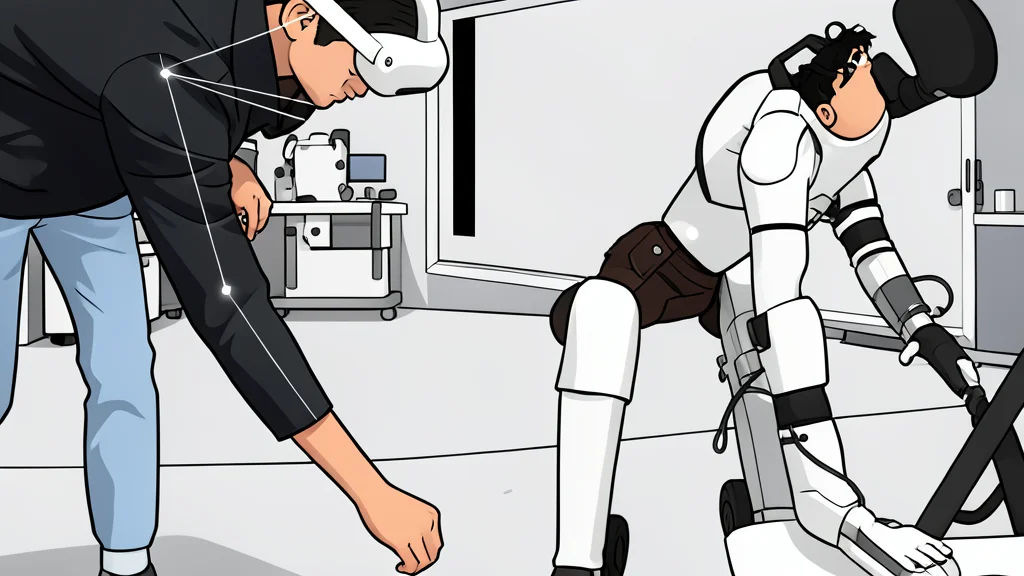
The core of the system is a direct connection between an operator and the robot. Using a virtual reality headset, a human user can guide the robot’s arms, legs, and torso in real time. This method, known as teleoperation, removes the need for complex scripting or coding to make the robot move. According to GN auto tech/robotics, this approach democratizes access to humanoid robotics by making the initial steps of data collection accessible to a wider range of academic and industrial users who may not have dedicated software engineering resources.
Real-Time Motion Capture
The primary function of the software is to record high-fidelity motion data while the operator interacts with the robot. As the user moves, the system captures the full-body dynamics, including subtle finger movements if dexterous hands are attached. This data is processed into a training-ready format, meaning it is clean and structured for machine learning models without requiring extensive post-processing. This is significant because raw logs from robot joints are often noisy and difficult to use directly. By providing clean demonstrations, the system helps labs build more reliable models for specific tasks, such as object manipulation or navigation, without the trial-and-error that typically plagues early-stage robotics research.
Data Sovereignty and Support
A critical differentiator for this release is the handling of data ownership. In many robotics ecosystems, data generated by a robot is often shared with the manufacturer or processed on external servers. Toborlife AI has structured its system so that all data remains on the customer’s local hardware in the United States. The company does not monitor this data and only accesses it with explicit permission for troubleshooting. This policy ensures that research institutions retain full control over their intellectual property, which is a major concern for universities and private companies developing proprietary applications.
Additionally, the software comes with direct technical support from a U.S.-based team of robotics engineers. This shifts the support model from a distant ticket queue to hands-on guidance for configuration and onboarding. However, there is a trade-off: this system is currently optimized for the Unitree G1 Edu model. Labs using other humanoid platforms may still face the integration hurdles that this software solves for its specific hardware target. While the solution lowers the barrier to entry for G1 users, it does not yet offer a universal standard for the broader humanoid robotics market.