Tech Leaders Join Trump and Xi for AI Safety Talks
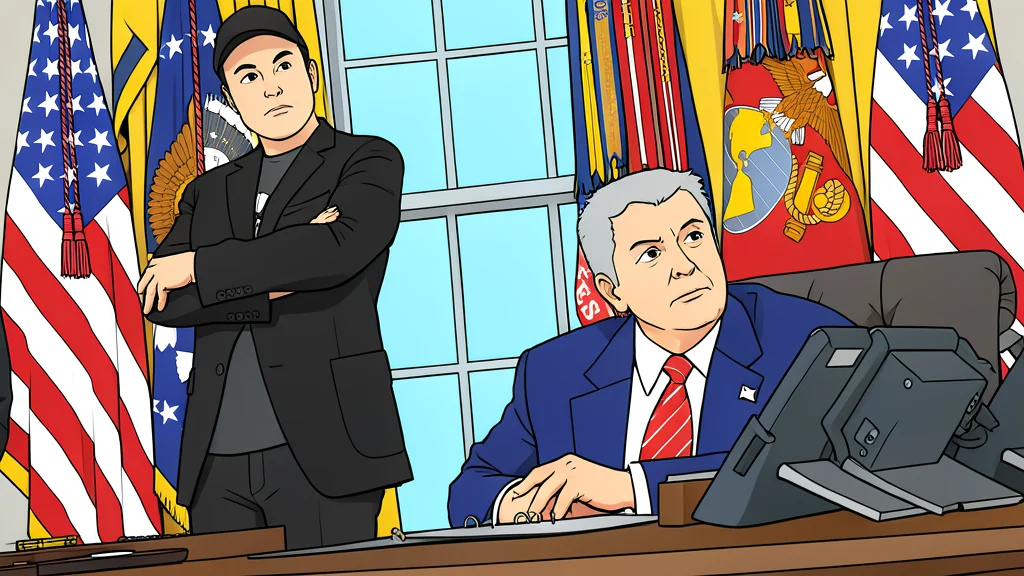
Leading figures from the artificial intelligence industry are set to attend a high-profile state dinner, signaling a shift toward prioritizing global safety standards over rapid development.
Elon Musk, Sam Altman, and other prominent technology executives have been invited to a White House state dinner for Chinese President Xi Jinping. This gathering on September 24 marks a significant diplomatic event, bringing together the heads of major tech firms to discuss the trajectory of artificial intelligence. According to GN technics/ai (en-US), the attendance of these figures highlights the growing international focus on managing the risks associated with rapid AI advancement.
The invitation list includes Jeff Bezos of Amazon, Tim Cook of Apple, Jensen Huang of Nvidia, and Sundar Pichai of Google. Their presence is not merely ceremonial; it reflects a shared concern among industry leaders about the speed at which AI capabilities are expanding. Many of these executives have recently advocated for a more measured approach to development, arguing that safety protocols must keep pace with innovation to prevent unforeseen consequences.
Industry Calls for Slower Development
Dario Amodei, CEO of Anthropic, has recently emphasized the need for greater prudence in AI research. He has called for global cooperation to establish guardrails that ensure the technology remains safe and beneficial. Both Musk and Altman have expressed support for this perspective, endorsing the idea that slowing down certain aspects of development is necessary to address potential safety risks. This consensus among top leaders suggests a shift in industry priorities from pure speed to responsible growth.
Sam Altman is also scheduled to brief the United Nations Security Council on artificial intelligence issues. During this session, he is expected to urge for increased international coordination in how AI is developed and deployed. This move indicates that the conversation about AI safety is moving beyond national borders and into the realm of global governance. The goal is to create a framework where different countries can agree on basic safety standards without stifling innovation.
Political Divide Over Regulation
Despite industry calls for caution, President Trump has rejected proposals to regulate AI development. He has argued that the United States should maintain its competitive advantage over China in the AI race. Trump has stated that the U.S. is currently leading in sophistication and wants to preserve that position, believing that whoever dominates AI will have a significant strategic advantage. This stance creates a tension between the desire for safety and the drive for competitive supremacy.
Interestingly, concerns about AI have united political figures from opposite ends of the spectrum. In recent days, Republican strategist Steve Bannon and Senator Bernie Sanders shared a stage to call for stricter restrictions on AI. This unusual alliance underscores the depth of concern about the technology's potential impact. However, the administration's official position remains focused on maintaining U.S. leadership in the field, rather than imposing strict regulatory frameworks that might be seen as limiting.
Diplomatic Context of the Summit
Xi Jinping’s visit to Washington is his first in nearly three years, making this state dinner a significant diplomatic milestone. The two leaders last met in May during a state banquet in Beijing. The upcoming summit will likely involve discussions on a wide range of issues, with AI safety and competition being central topics. The involvement of top tech executives in these discussions signals that the U.S. government is seeking to include industry perspectives in its diplomatic strategy.
In the lead-up to the summit, U.S. Treasury Secretary Scott Bessent and Chinese Vice Premier He Lifeng are scheduled to meet in New York on September 20. Their discussions will focus specifically on AI safety, providing a preliminary forum for addressing the technical and regulatory challenges ahead. This sequence of events suggests a coordinated effort to manage the risks of AI while maintaining diplomatic engagement. The outcome of these talks could set the stage for future international agreements on AI governance.