Viral AI Actress Requires Face Scan for Video Calls

A popular AI character now demands a biometric check before connecting, raising questions about privacy in digital interactions.
The AI actress Tilly Norwood recently captured global attention after glitching into Chinese during a mainstream interview. This viral moment led many viewers to seek out her interactive video call service. However, accessing this digital character now comes with a significant privacy trade-off that most users may overlook.
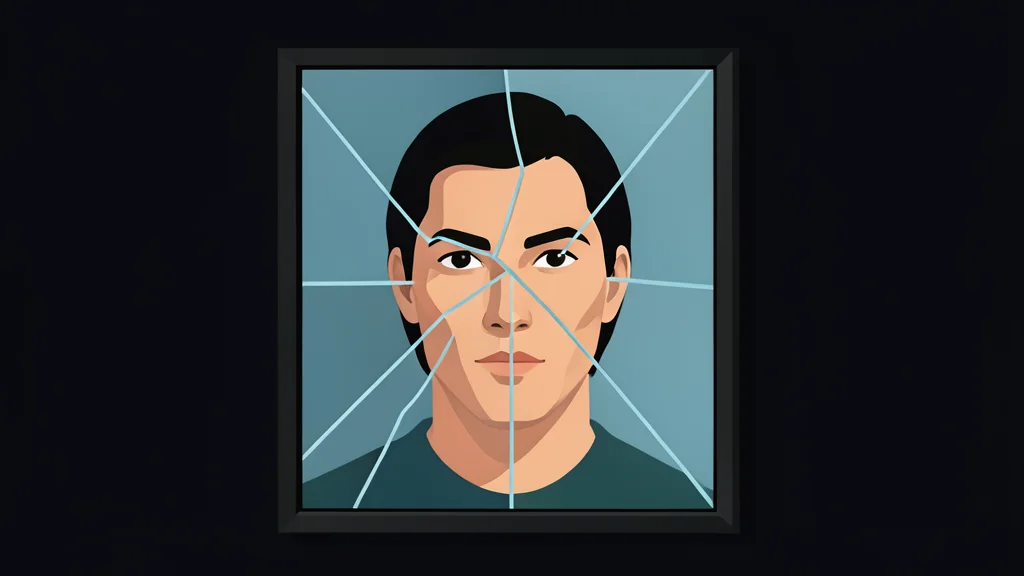
BleepingComputer investigated the terms of service for the "Talking Tilly" platform and found that users must pass an automated age verification before their first call connects. The system requires a video selfie to estimate age, a process that cannot be skipped and applies to callers worldwide. This requirement marks a notable shift in how digital avatars handle user identity.
Biometric Checks Define Access
The verification process relies on a Spain-based provider to analyze facial features for age estimation. If the algorithm is uncertain, users must upload a government-issued ID. The UK-based company behind Tilly states that no biometric templates are stored, and images are deleted immediately after the check. Instead, they retain only an approximate age band and a reference number.
This gatekeeping mechanism was added to the terms of service this month. It aligns with broader UK regulatory trends, where adult content sites have required similar checks since mid-2025. While intended to enforce age restrictions, the side effect is that a compliance decision driven by local law now impacts users globally, from Manchester to Ohio.
Mood Sensing Is Mandatory
Beyond the initial login, the service continuously monitors the user during the call. The system analyzes camera feed and voice tone to infer the caller's emotional state. This data allows the AI character to adjust its responses to match the perceived mood. The privacy policy explicitly states that this feature cannot be disabled for individual calls.
The legal basis for collecting this data is cited as "legitimate interests" rather than explicit consent. This means users effectively agree to this surveillance by choosing to use the service. For those uncomfortable with being emotionally profiled by an algorithm, the only option is to refrain from calling.
Temporary Data and Expiring Minutes
The service operates on a limited-time model, shutting down permanently on September 27. Any unused paid minutes are forfeited at that time. Calls are recorded and transcribed by US providers, with transcripts retained for up to eight weeks. These records may be reviewed by staff and third-party partners for safety and quality control.
A recent test revealed that the safety systems are prone to error. One call discussing neutral topics was flagged for abusive language and withheld from the user. While the policy promises human review for such cases, recordings are permanently deleted after 24 hours regardless of the outcome. This creates a risk that legitimate conversations are lost to automated misclassification.