Waymo Returns to San Antonio After Flood Incident
Waymo has restarted paid robotaxi service in San Antonio, ending a five-month suspension triggered by a vehicle being swept into a creek. The return comes with stricter weather limits and a restricted user base.
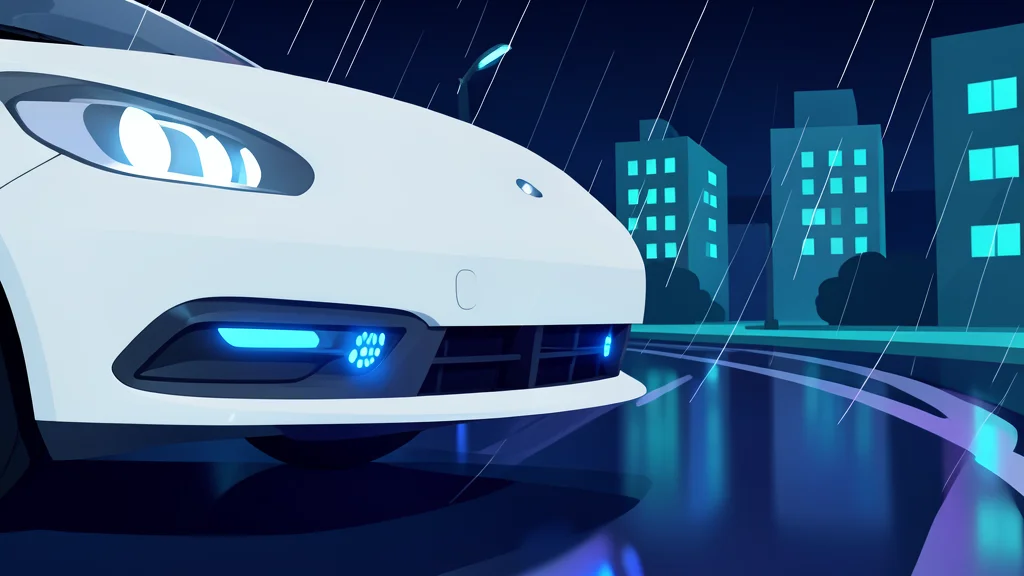
Waymo has resumed paid robotaxi operations in San Antonio, marking the end of its longest service pause to date. The suspension began in April after an unoccupied vehicle entered a flooded road during a storm and was swept into Salado Creek. This incident prompted a company-wide software recall affecting thousands of vehicles across the United States. According to GN auto tech/ev: electric vehicle, the service is now active again, though the expansion is limited to existing users.
The service area covers roughly the same 60-square-mile zone as before the pause, including downtown and the international airport. However, access remains restricted to riders who had invitations prior to the shutdown. New users are still waiting on a list, with broader availability expected later this year. The restart follows a period of intense scrutiny regarding how the autonomous systems handle extreme weather conditions.
The specific failure in flood detection
The core issue was not a lack of detection, but a failure to stop. Internal records and regulatory filings indicate that the vehicle identified the water as potentially untraversable. It slowed down, but on higher-speed roads, it did not come to a complete halt. This behavior allowed the car to proceed into the flooded lane despite the reduced speed. The company described this as a defect where the system might slow but fail to stop when facing significant water hazards.
This incident was not an isolated glitch. Police records reviewed by local media showed that the vehicles required human assistance frequently from the start of the San Antonio rollout. The April incident was the culmination of these challenges, leading to the voluntary recall filed with the National Highway Traffic Safety Administration. The recall covered 3,791 vehicles running on the fifth and sixth-generation driving systems, representing the entire US fleet at the time.
Software fixes and operational limits
The remedy was entirely digital. No physical parts were replaced, and no cars were pulled from the road for hardware repairs. Instead, the company pushed over-the-air software updates to improve floodwater detection and navigation. These updates include stricter operational controls that limit access to areas prone to flash flooding. The system now relies on more aggressive triggers to pause operations when severe weather is detected, aiming to prevent a repeat of the April incident.
Despite these changes, the trade-off is reduced flexibility. The cars are now more cautious, which means they may refuse service in areas that were previously accessible if weather conditions appear risky. This prioritizes safety over availability, a decision that directly impacts the user experience. Riders should expect more frequent pauses during heavy rainfall, as the system is programmed to err on the side of caution rather than speed.
A delayed restart for new riders
The timeline for reopening to the public has slipped significantly. Initial forecasts suggested a quick return to normal operations, but four months passed before service resumed. This delay highlights the complexity of validating safety changes in real-world conditions. The company is taking a measured approach, ensuring that the new flood-avoidance logic is robust before expanding the user base. For potential new customers, this means waiting until the company feels confident that the system can handle San Antonio's weather patterns reliably.
The restart is a partial victory for Waymo, but it also underscores the challenges of autonomous driving in unpredictable environments. The ability to handle water is a critical benchmark for public trust. By restricting access to existing users, the company manages risk while it gathers more data. The catch is that this cautious approach slows the growth of the service, leaving new users in limbo while the company fine-tunes its safety protocols.