Cell Survival Mechanism Could Heal Tissue and Aid Cancer Recurrence
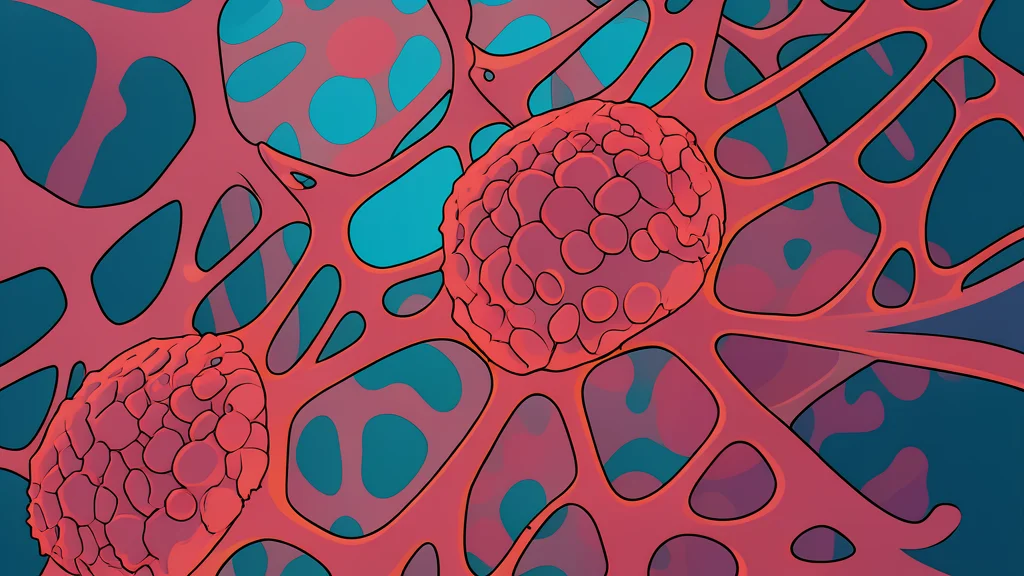
New research reveals how specific cells survive programmed death to rebuild damaged tissue, a process that may also allow cancer to return.
Scientists have identified a population of cells that can initiate the process of programmed cell death yet survive, subsequently helping to rebuild damaged tissue. This discovery, reported by the Weizmann Institute of Science and distributed by ScienceDaily, offers a new explanation for how the body repairs itself after severe injury. The findings suggest a dual-use mechanism that could improve healing strategies but also poses a risk for cancer recurrence.
The ability of tissues like skin to regenerate after extensive damage has been known for decades, but the underlying mechanism remained unclear. By studying fruit fly larvae exposed to radiation, researchers identified a specific group of cells that activate death pathways but evade destruction. These survivors not only live but also multiply rapidly to replace lost tissue, revealing a previously misunderstood role for enzymes typically associated with cellular destruction.
Enzymes that kill cells can also promote survival
The body normally eliminates unwanted or damaged cells through apoptosis, a controlled form of cellular suicide. This process relies on enzymes called caspases, which break down proteins inside the cell to ensure its demise. However, recent research indicates that these same enzymes can have a nonlethal function. Instead of solely promoting death, caspases can help certain cells become resistant to it, allowing them to survive and participate in tissue repair.
This discovery challenges the long-held view that caspases are exclusively death executioners. By identifying cells that trigger their own death mechanisms but survive, researchers have uncovered a biological pathway that supports regrowth. This mechanism allows the body to rebuild damaged areas quickly, but it also creates a vulnerability that disease processes might exploit.
Research team tracks survivors of radiation damage
To investigate this phenomenon, a team led by Dr. Tslil Braun at the Weizmann Institute recreated classic experiments using modern genetic tools. They exposed fruit fly larvae to ionizing radiation and used delayed sensors to identify cells where the death pathway had been activated but which nonetheless survived. This allowed the researchers to isolate a specific population of cells that pushed the self-destruct button yet emerged intact.
The identified cells, named DARE cells, demonstrated remarkable regenerative capabilities. Within 48 hours of the radiation exposure, these survivors multiplied and replenished nearly half of the damaged epithelial tissue. This rapid repair highlights the efficiency of the compensatory proliferation process and provides a clear model for how the body manages severe tissue injury.
Survival trait may help cancer evade treatment
While this mechanism is beneficial for healing, it carries a significant trade-off. The same ability to survive programmed death and rebuild tissue could be exploited by cancer cells. Tumors may use this pathway to resist treatment and return in a more aggressive form. The descendants of these survivors appear to be more resistant to future damage, a trait that is advantageous for healthy tissue but dangerous for malignancies.
Understanding this dual nature offers a potential path for medical innovation. Researchers could develop approaches that encourage healthy tissue repair while simultaneously blocking the survival mechanisms that cancer cells rely on. By targeting the specific enzymes involved in this process, future treatments might improve healing outcomes and reduce the risk of cancer recurrence.