Hardware Security Chips Target Hospital Workstation Logins
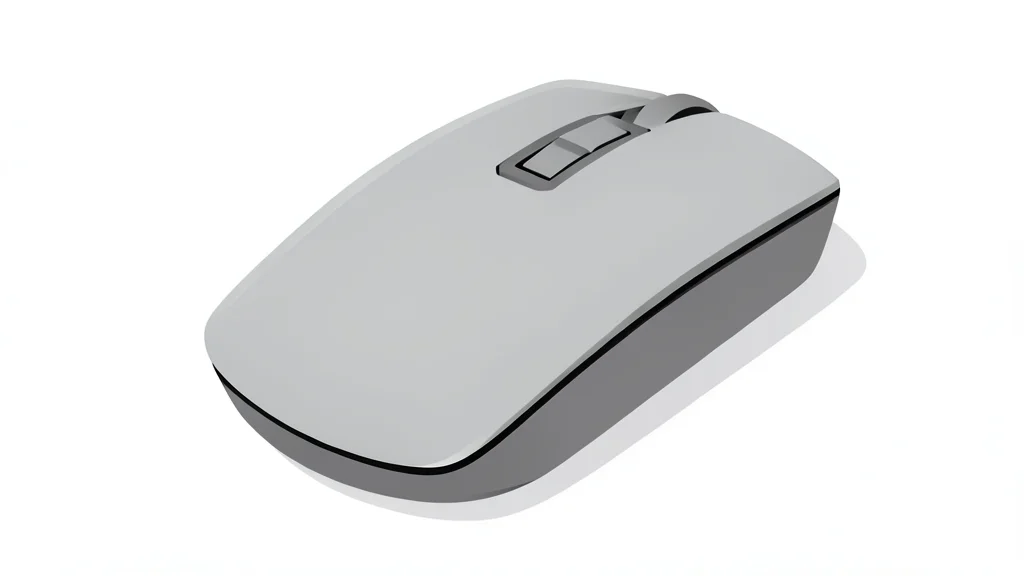
A new medical mouse integrates a fingerprint scanner with a specialized security chip to protect shared hospital computers from credential theft.
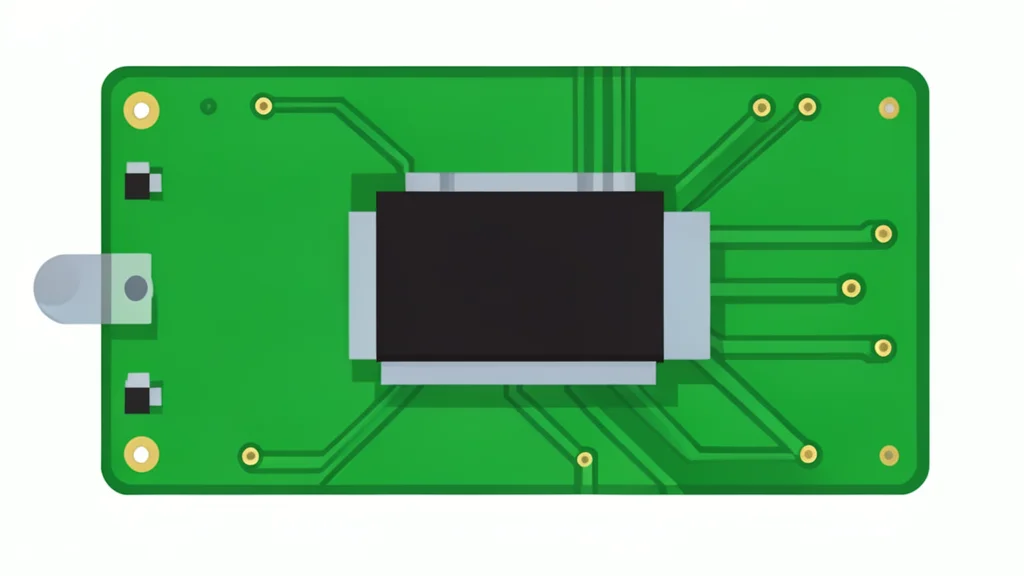
iMTC Technology has selected SEALSQ’s QVault TPM183 chip for its upcoming fingerprint recognition medical mouse. This design decision aims to secure shared workstations in hospitals, where multiple clinicians access sensitive patient data throughout the day. By moving authentication from simple passwords to hardware-anchored biometrics, the device addresses growing concerns about data breaches in healthcare environments.
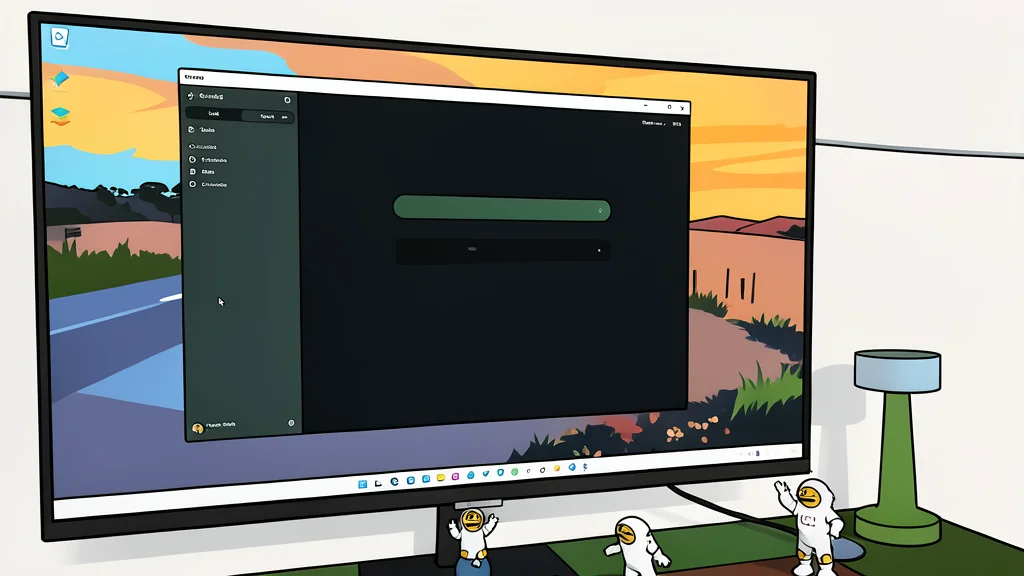
The integration allows the mouse to support Windows Enhanced Sign-in Security and Windows Hello. This means healthcare professionals can log in using their fingerprints rather than typing credentials. The system is designed to protect cryptographic keys and device identity at the hardware level, providing a stronger foundation than software-only security measures. According to reports from GN auto tech/hardware, this approach extends security from medical devices to the clinician workstation itself.
Protecting Shared Clinical Workstations
Hospitals rely heavily on shared computers that are accessed by doctors, nurses, and technicians. These environments pose a high risk for credential sharing or theft. The new mouse creates a hardware-based root of trust that isolates login credentials and cryptographic keys. This isolation ensures that even if the operating system is compromised, the core authentication data remains protected within the secure chip.
The device is part of a broader family of products that includes versions with secure elements and security MCUs. While the basic version supports standard biometric login, the TPM-enabled version adds deeper hardware protection. This flexibility allows hospitals to choose the level of security that matches their specific infrastructure and compliance requirements.
Preparing for Post-Quantum Threats
A key differentiator for this selection is the chip’s roadmap toward post-quantum cryptography. As quantum computing advances, traditional encryption methods may become vulnerable to attacks. iMTC stated that they need confidence that the security in their devices will remain credible against future threats. By choosing a provider with a defined migration path, they aim to future-proof their hardware investments.
Hospitals typically purchase equipment with a decade-long lifecycle. This long usage period makes it critical that the underlying security technology can evolve without requiring a complete hardware replacement. The TPM183 chip is designed to support this longevity by offering a clear path to adopt new cryptographic standards as they become available.
Trade-Offs in Hardware Integration
While hardware-anchored security offers superior protection, it introduces specific trade-offs. Adding a dedicated security chip increases the bill of materials and complexity compared to software-only solutions. However, iMTC argues that the cost is justified by the need for auditable, frequent clinician sign-on and stricter data-protection regulations. The company believes that the reliability of hardware security outweighs the initial implementation challenges.
Furthermore, this technology is not limited to healthcare. The same authentication architecture is applicable to industrial manufacturing, education, logistics, and banking. This cross-industry applicability suggests that the security model is becoming a standard requirement for any environment with shared, high-value workstations. The shift reflects a broader trend in computing hardware, where physical security components are increasingly seen as essential for digital trust.