Microsoft's Massive Data Center Buildout and Its Financial Implications

Microsoft is set to more than triple its global data center capacity to support the surge in artificial intelligence demand. While this expansion aims to secure long-term growth, it introduces significant operational risks that investors must weigh against potential revenue gains.
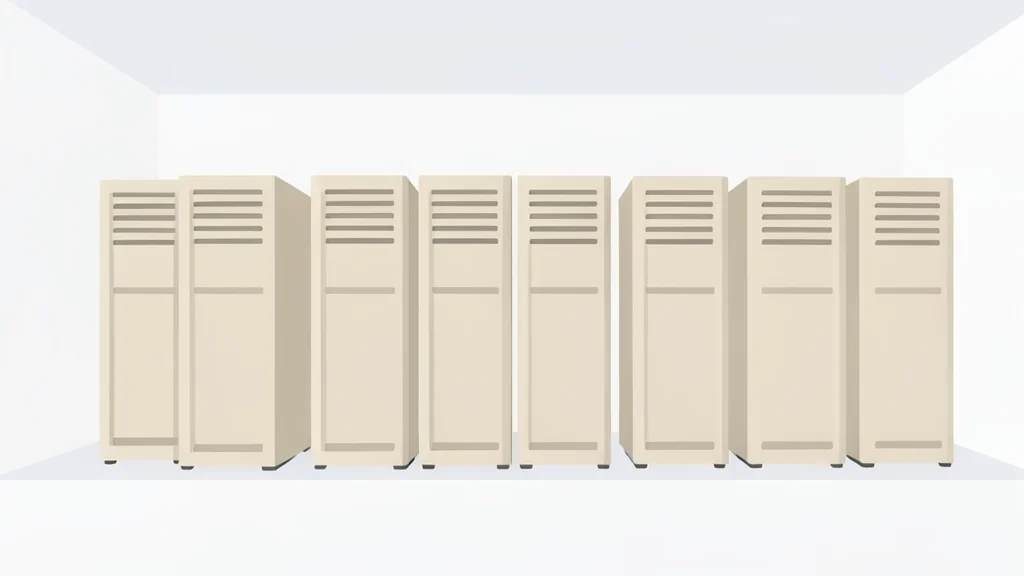
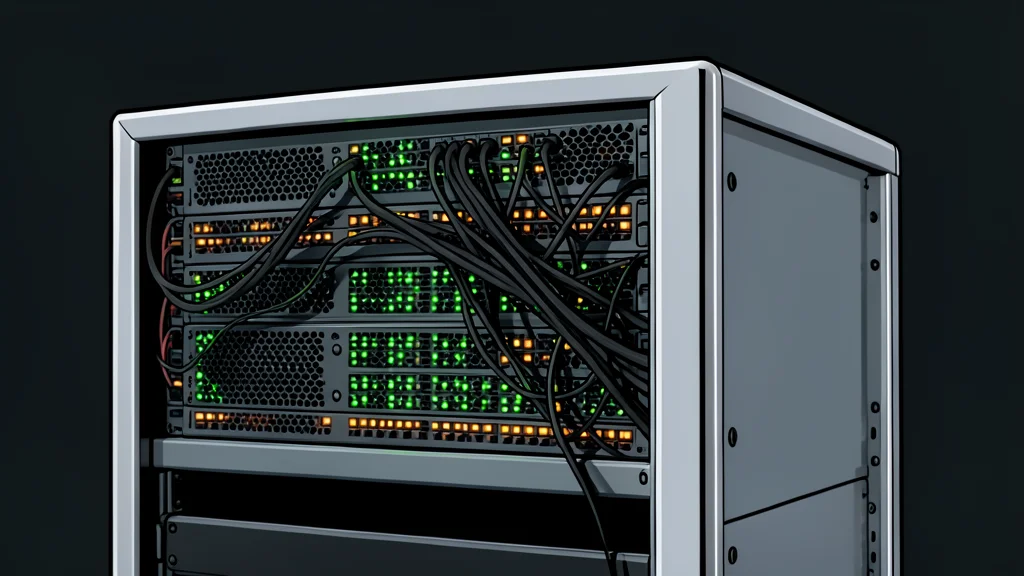
Microsoft is preparing for a monumental shift in its physical infrastructure. The company plans to expand its global data center capacity to over 38 gigawatts by 2032, a move that more than triples its current footprint. This aggressive scaling is primarily driven by the need to handle heavy artificial intelligence workloads. The expansion is not just about adding servers; it involves securing long-term power contracts and navigating complex regulatory environments. For shareholders, this represents a fundamental change in how the company generates value, moving from pure software distribution to becoming a heavy industrial utility provider for the AI era.
This buildout arrives at a critical juncture for the stock. Analysts currently project that Microsoft’s revenue will reach $567.2 billion by 2029, with earnings climbing to $212.2 billion. These figures assume that the massive capital expenditure on infrastructure will translate into durable usage across Azure, Copilot, and the broader software stack. However, the core investment thesis now hinges on a delicate balance: the company must convert this heavy spending into high-quality revenue without eroding the profitability that has traditionally defined its business model. The recent strong performance in Azure revenue suggests the demand is real, but the execution risk is equally significant.
Infrastructure Spending Outpaces Immediate Demand
The primary concern for investors is that Microsoft’s infrastructure spending may be running ahead of actual market demand. If AI workloads slow down, the company could face pressure on free cash flow and margins. This scenario creates a tangible risk where the cost of maintaining vast data centers outweighs the revenue generated by their use. Unlike traditional software products, which have near-zero marginal costs, data centers are expensive to build and operate. This means that any dip in utilization rates directly impacts the bottom line, making the business model more sensitive to market fluctuations than it has been in the past.
There is also a growing reliance on a smaller group of large AI and hyperscaler clients. This concentration of demand introduces operational delivery risks. If these major clients delay their projects or shift their strategies, Microsoft could be left with unused capacity. Furthermore, physical constraints such as power grid limitations and supply chain bottlenecks for hardware could delay the rollout of new capacity. These are not just theoretical risks; they are practical hurdles that could prevent the company from meeting its ambitious timelines, thereby affecting the stock’s short-term performance.
Partner Ecosystems Drive Cloud Consumption
To mitigate these risks, Microsoft is deepening its ties with the partner ecosystem. A notable example is the expanded partnership with Talkdesk, which uses Azure commitments to deploy AI agents for customer service automation. This model illustrates how Microsoft is creating a closed loop where partners drive cloud consumption. By integrating AI tools directly into partner workflows, Microsoft ensures that its infrastructure is being utilized by a broader range of enterprise customers. This strategy helps distribute the risk of relying on a few large clients and provides a more stable revenue base.
This approach also strengthens the commercial path for AI adoption. When partners like Talkdesk build their solutions on Azure, they are effectively marketing Microsoft’s infrastructure to their own client base. This creates a multiplier effect, where each new partner deal can lead to increased usage of Microsoft’s data centers. However, this success is still contingent on Microsoft’s ability to deliver reliable, high-performance services. If the infrastructure fails to meet the demands of these partner applications, the entire ecosystem could suffer, potentially leading to a loss of confidence among both partners and end-users.
Diverging Analyst Views on Valuation
The market’s reaction to this expansion is not uniform. While some analysts see a 16% upside potential based on the assumption of strong AI growth, others hold a much more cautious view. The most conservative estimates project revenue of only $496 billion by 2029, reflecting a belief that the heavy capital expenditure may not yield the expected returns. This divergence highlights the uncertainty surrounding the investment. Investors are split on whether Microsoft’s current valuation adequately accounts for the risks associated with its massive data center buildout. The truth likely lies somewhere in the middle, but the gap between the optimistic and pessimistic forecasts is wide enough to cause significant volatility in the stock price.
For the average investor, this means that the case for Microsoft stock is no longer just about software innovation. It is now a bet on industrial execution. The company must successfully manage the complex interplay of power, regulation, and hardware supply to realize the benefits of its expansion. If it can do this, the data center buildout could serve as a powerful engine for long-term growth. If it fails, the costs could weigh heavily on the company’s financials. The key takeaway is that the risk profile of Microsoft has changed, and investors need to be aware of the new operational challenges that come with being a major player in the AI infrastructure race.