Jaecoo J5 Becomes Australia's Fifth Most Popular Electric Vehicle
A Chinese-made electric SUV has surged up the sales charts in Australia, driven by aggressive pricing and a comprehensive warranty package that resonates with local buyers.
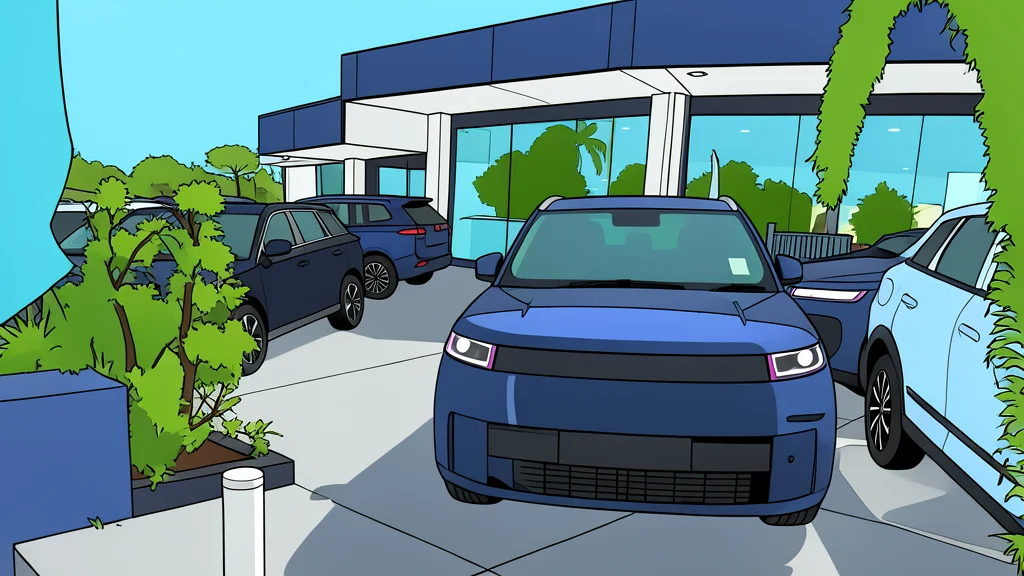
The Jaecoo J5 has established itself as a top performer in the Australian electric vehicle market since its arrival just months ago. According to recent data, the model climbed from 215 units sold in January to 1,672 in August, resulting in a year-to-date total of 8,910 vehicles. This steady growth has placed the SUV at number five on the national year-to-date top ten list, signaling a rapid shift in consumer preference for affordable electric options.
This surge in popularity comes as skepticism toward Chinese automobiles appears to be fading. Buyers are increasingly prioritizing value and technology over brand origin, a trend highlighted by GN auto tech/ev: electric vehicle coverage. The vehicle is marketed under the Jaecoo sub-brand of Chery, a major Chinese manufacturer with significant global reach and revenue, suggesting the brand is positioned to remain a long-term player in the industry rather than a fleeting trend.
Value drives consumer adoption
Dealership staff attribute the sales success primarily to the vehicle's cost-effectiveness and low maintenance expenses. The J5 includes an eight-year warranty, roadside assistance, and capped servicing costs, which are significantly lower than those for comparable petrol or diesel vehicles. Annual servicing fees range between AU$155 and AU$225, a stark contrast to the AU$350 to AU$800 often charged for internal combustion engines. This financial predictability is a key draw for owners looking to reduce long-term ownership costs.
Many of the buyers already own solar panels, making the electric powertrain a logical next step for reducing household energy expenses. The 60 kWh battery provides a range of approximately 400 kilometers, which is sufficient for daily commuting and regional travel. While the vehicle accelerates from zero to 100 km/h in about eight seconds, sales consultants note that many customers still prefer hybrid models for longer interstate trips, indicating that range anxiety remains a factor for some buyers.
Charging infrastructure and support
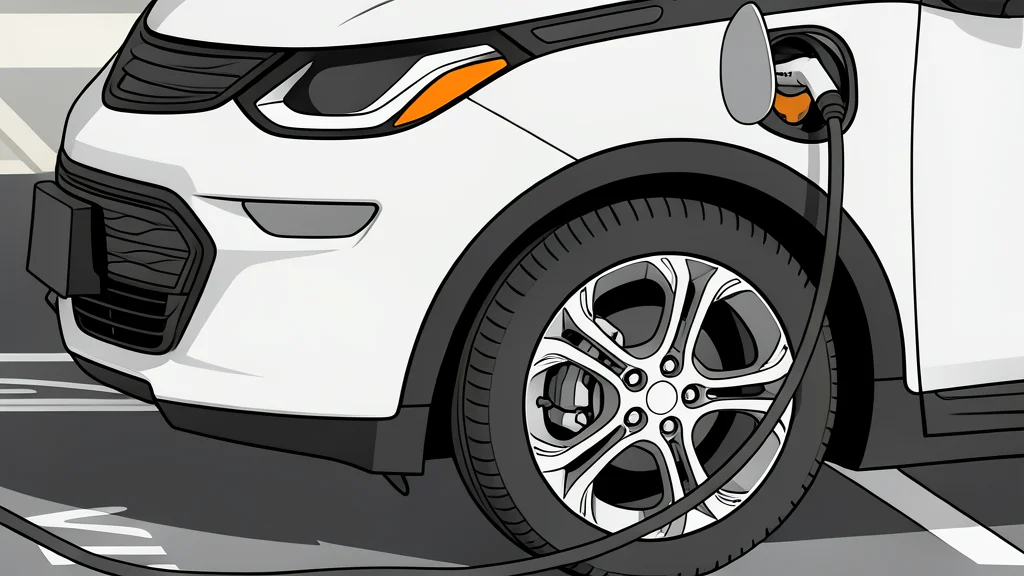
The vehicle comes equipped with a five-meter home charging cable, allowing owners to plug into standard wall sockets without additional installation costs. Dealers are also actively guiding customers through the setup of third-party charging apps and the purchase of optional wall chargers and vehicle-to-load adaptors. This hands-on approach to education distinguishes the current sales experience from previous interactions, where buyers often had to seek out charging information independently.
The trade-off for this value-oriented approach is the brand's relatively short history in the Australian market. While Chery has a long manufacturing track record, its initial entry into Australia faced criticism for quality control issues. However, current sales figures and customer feedback suggest that these earlier concerns have been largely addressed. The consistent monthly sales volume at individual dealerships indicates that trust in the product's reliability is building rapidly among local consumers.
Market position and future outlook
Chery operates multiple brands in Australia, including Omoda, and plans to introduce additional models in the near future. The company’s substantial annual revenue and export volume underscore its financial stability and commitment to the market. As the J5 continues to capture market share, it challenges established competitors by offering a competitive specification package at a price point that appeals to a broader demographic of buyers.
The success of the Jaecoo J5 highlights a broader shift in the electric vehicle landscape. Consumers are increasingly making purchasing decisions based on total cost of ownership and practical features rather than brand prestige alone. This trend may pressure other manufacturers to adjust their pricing strategies and warranty offerings to remain competitive in the growing electric vehicle segment.