Australia Commissions Its First Eight-Hour Grid Battery
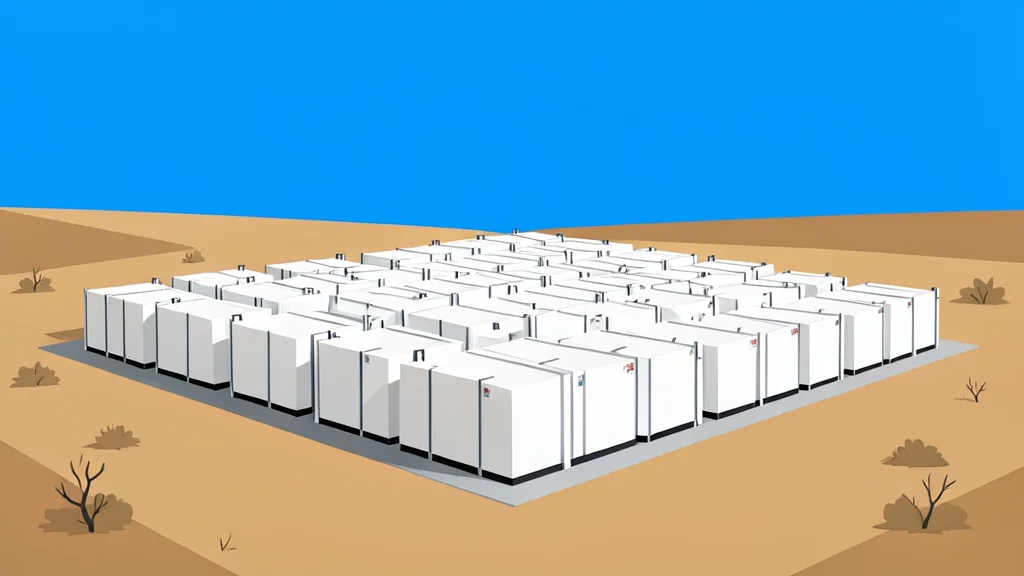
A new facility in New South Wales uses asymmetric charging to bridge the gap between midday solar surplus and evening demand.
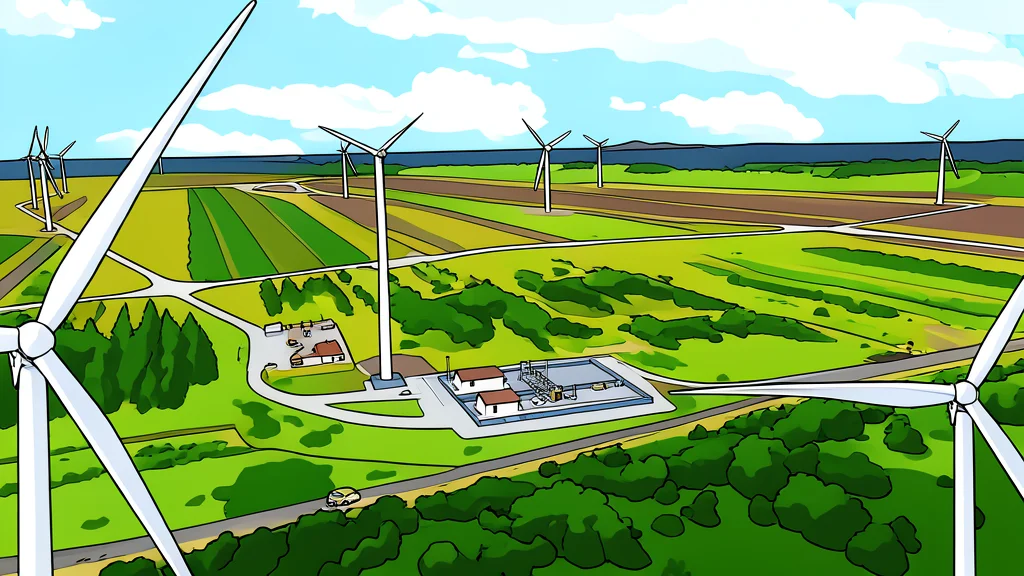
Australia has commissioned its first grid-scale battery capable of discharging for a full eight hours. Located near Balranald in New South Wales, the Limondale facility marks a significant departure from the two-hour storage units that have dominated the national grid until now. The project, developed by RWE, is now fully operational and registered on the National Electricity Market.
The system consists of 144 Tesla Megapacks with a total capacity of 400 megawatt-hours. According to Electrek, this duration is critical for managing the 'duck curve,' a daily pattern where solar generation peaks at midday but demand spikes in the evening. By storing excess midday energy and releasing it slowly over eight hours, the battery helps stabilize the grid during periods of high consumption.
Asymmetric design solves evening deficits
Most grid batteries charge and discharge at the same rate, but Limondale operates differently. It is designed to charge at approximately 100 megawatts while discharging at only 50 megawatts. This asymmetry allows the facility to absorb cheap renewable power quickly during the midday solar glut, then stretch that energy over a longer period to cover the evening peak.
This approach addresses a specific economic and technical challenge. By pairing the battery directly with RWE’s existing solar farm, the system captures energy when it is most abundant and least expensive. The trade-off is a slower discharge rate, which is necessary to extend the duration of power delivery into the night, ensuring stability when solar generation drops off.
Government backing enables longer storage
Financing long-duration storage remains difficult due to the higher capital costs compared to shorter-duration units. Limondale secured its funding through a Long-Term Energy Service Agreement, which provides a government-backed revenue floor. This financial structure made the project bankable and allowed RWE to win the tender for New South Wales’ first long-duration storage project.
The success of this model is expected to influence future infrastructure. Two other eight-hour batteries are currently moving through the state’s pipeline with similar government support. This shift indicates a strategic move away from relying solely on fast-response, short-duration batteries toward systems that can sustainably carry solar generation through the entire evening ramp.
Longer storage supports renewable transition
Short-duration batteries are effective for grid stability but insufficient for replacing fossil fuels in evening peaks. Eight-hour storage is essential for retiring coal, as it can provide bulk energy when solar power is unavailable. For Tesla, this deployment represents another major contract in a market it helped establish, adding to a growing list of large-scale installations globally.
The deployment of such systems highlights a key limitation in current renewable grids: the mismatch between generation and demand timing. While the technology offers a clear solution, the broader challenge remains the need for widespread adoption. Without a sufficient number of these long-duration facilities, the grid will continue to rely on fossil fuels to meet evening demand, limiting the full potential of solar energy.