BMW Debrecen Moves to 24-Hour Shifts to Clear iX3 Backlog
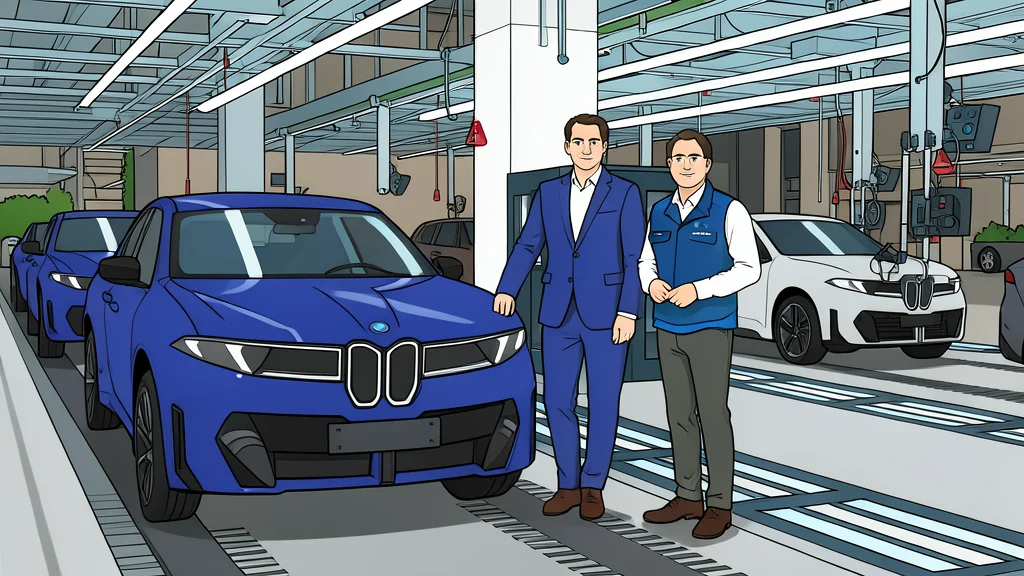
The Hungarian plant has added a third shift to manage a massive order backlog, but a local battery production halt means components still travel from Asia.
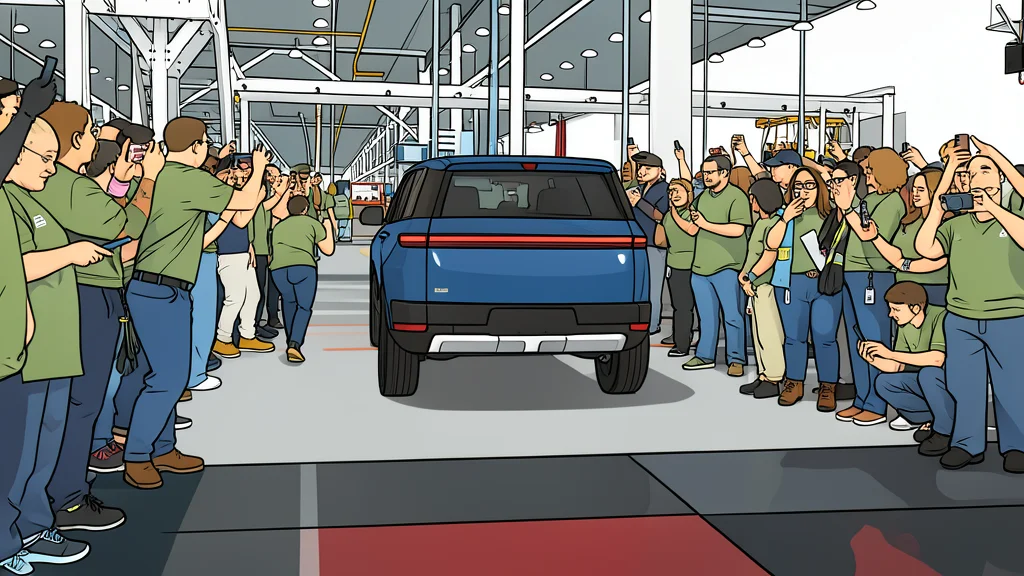
BMW has moved its Debrecen plant in Hungary to a three-shift, around-the-clock schedule to clear a backlog of electric vehicle orders. The facility now operates 24 hours a day to produce the iX3, the first car based on the company’s new Neue Klasse platform. This intensification of production marks a significant shift in how the automaker manages its most critical new model line in Europe.
The move comes as BMW counts 100,000 orders for the iX3 across the continent, with more than 50,000 units already built since the start of series production in October 2025. According to AutoNext.co, this represents the fastest ramp-up in the company’s history. However, the push to clear the queue is complicated by supply chain issues that keep the plant dependent on imported battery cells despite its local assembly capabilities.
Rapid ramp-up meets production limits
The Debrecen facility was designed to produce approximately 150,000 vehicles annually, which translates to roughly 12,500 cars per month when running at full capacity across three shifts. With half of the initial order book already fulfilled, the remaining 50,000 orders represent about four months of output at this design rate. The third shift was introduced in September, less than a year after production began, to prevent the queue from growing faster than the line could shrink it.
This schedule is now the primary tool available to the factory to meet demand. The plant employs over 5,000 people and cost more than two billion euros to establish. The rapid increase in shifts was necessary because the pace of orders outstripped the production capacity achievable with just two shifts, which had produced 50,000 cars in nine months.
Tariff benefits and supply chain gaps
Building the iX3 inside the European single market eliminates the significant tariffs that applied to its predecessor. The previous model was manufactured in China and shipped to Europe, where it faced a 20.7 percent countervailing duty on top of standard import taxes. The new Hungarian-produced vehicle avoids these costs, providing a competitive advantage in the region.
However, the supply chain is not yet fully localized. While the high-voltage battery packs are assembled on site, the cylindrical cells inside them are still imported from Asia. CATL, a key supplier, had its production lines in Debrecen halted by inspectors in August due to safety concerns regarding nickel exposure for workers. Until this issue is resolved and local cell production begins, the plant remains dependent on imported components, undermining the goal of a fully regional supply chain.
Second model planned for autumn
BMW confirms that a second Neue Klasse model will join the Debrecen production line this autumn. The company has not officially named the vehicle, but industry expectations point to a new model sharing the iX3’s 800-volt platform. This addition will further strain the factory’s capacity, as it must now serve two distinct models while maintaining the 24-hour schedule.
The existing iX3 50 xDrive sets a high performance bar with 469 horsepower and a range of up to 805 kilometers. The incoming model will need to meet similar standards to remain competitive. The expansion of the Debrecen line reflects BMW’s broader strategy to consolidate electric vehicle production in Europe, though the trade-off remains a heavy reliance on imported battery cells and an increasingly intense workload for plant employees.