BMW Owner Switches to Hyundai Ioniq 9 over Practicality
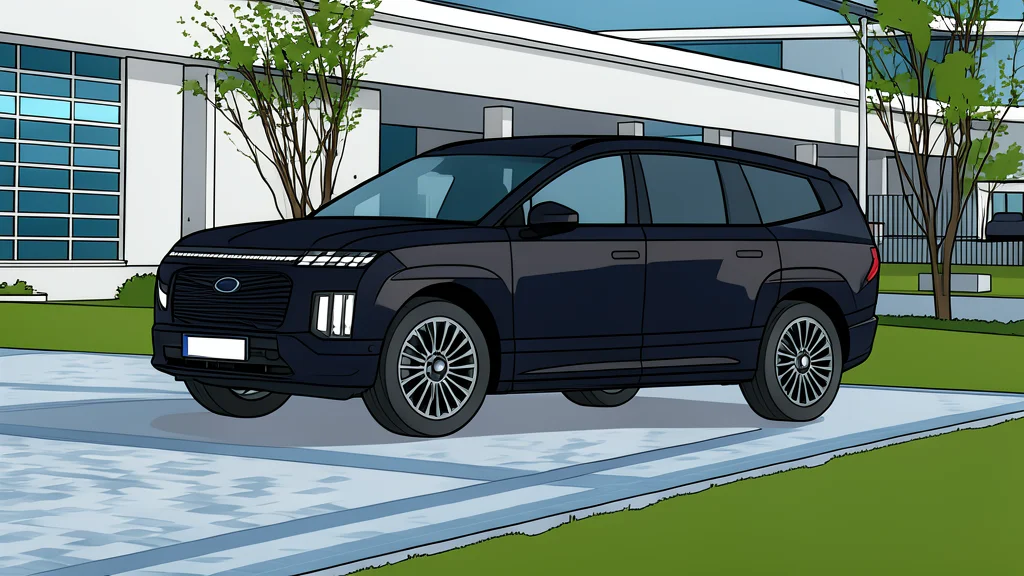
A long-time BMW enthusiast traded his luxury iX for a Hyundai Ioniq 9, citing superior space, faster charging, and more intuitive controls.
A driver with twenty years of experience with BMW vehicles recently ended his lease on the luxury brand's iX electric SUV. He took delivery of a Hyundai Ioniq 9, a three-row family vehicle from a mass-market manufacturer. The switch highlights a significant shift in the electric vehicle market where traditional luxury benchmarks are no longer guaranteed by brand heritage alone.
The decision was driven by practical advantages that the new Hyundai offers over the older luxury model. According to the driver, the Ioniq 9 provides more usable interior space, faster charging times, and a more straightforward user interface. This case illustrates how electric architecture has flattened the historical gap between premium and mainstream automotive tiers.
Interior space and control usability
The most immediate difference for the driver was the cabin layout. The Ioniq 9 uses a flat battery platform that allows for a more spacious rear seating area. The driver described the back seats as comfortable and generous, comparable to high-end executive transport. In contrast, the BMW iX, which prioritizes a sleek exterior design, offers less cargo volume and a tighter rear space, making it less suitable for large families or bulky gear.
Daily usability also favored the Hyundai due to its physical controls. The Ioniq 9 retains dedicated buttons and dials for climate control and media, allowing drivers to adjust settings without looking away from the road. The BMW iX relies heavily on a complex touchscreen interface, which the driver found unintuitive and distracting while driving. This preference for tangible feedback over digital menus is a common complaint among drivers who find multi-layered software menus difficult to manage at speed.
Faster charging reduces waiting time
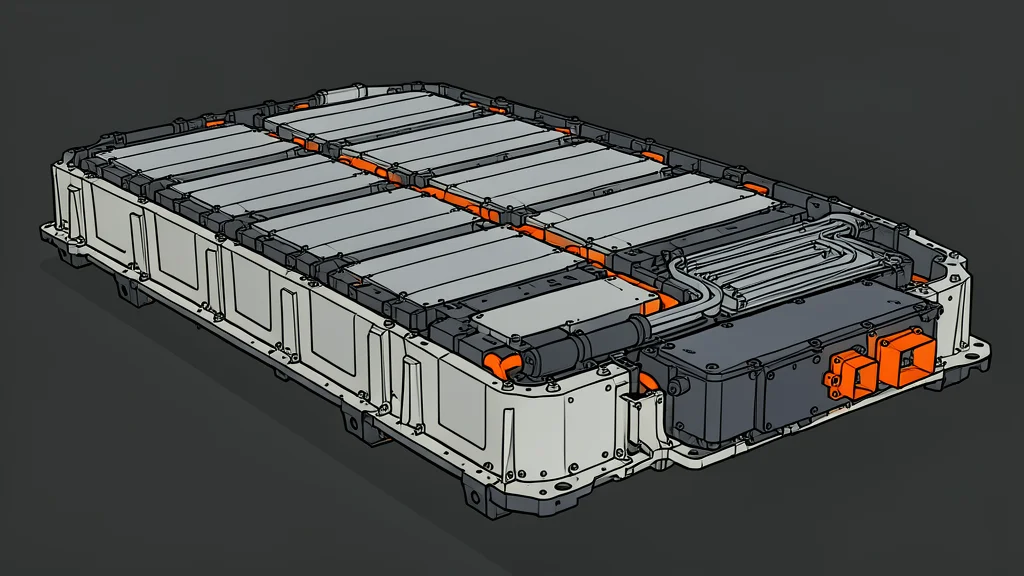
Charging speed is another area where the Hyundai holds a technical advantage. The Ioniq 9 is built on an 800-volt electrical platform that supports higher power delivery. It can accept up to 350 kilowatts of power, allowing it to recharge from 10% to 80% in approximately 20 minutes. The BMW iX uses a 400-volt system that caps out at roughly 195 kilowatts. This architectural difference means the Hyundai requires less time plugged into a fast charger, a critical benefit for long-distance travel and daily convenience.
Driving dynamics remain a trade-off
Despite the Hyundai's advantages in space and charging, the BMW iX retains an edge in handling precision. The German vehicle features a stiffer chassis and sharper steering response, which translates to better body control during aggressive maneuvers or high-speed lane changes. The Ioniq 9, designed with a focus on passenger comfort, uses softer suspension tuning. This results in more noticeable body roll and vertical movement over uneven surfaces, which some drivers find less engaging or even uncomfortable during spirited driving.
The choice between these two vehicles depends on driver priorities. Those who value maximum utility, quick recharging, and simple operation may find the Hyundai Ioniq 9 more appealing. However, drivers who prioritize sporty handling and a premium feel behind the wheel may still prefer the BMW iX. As reported by GN auto tech/ev: electric vehicle, the electric transition has made these distinctions more nuanced, requiring buyers to weigh practical benefits against traditional luxury cues.