BYD Claims Nine-Minute Charge Time for New Blade Battery
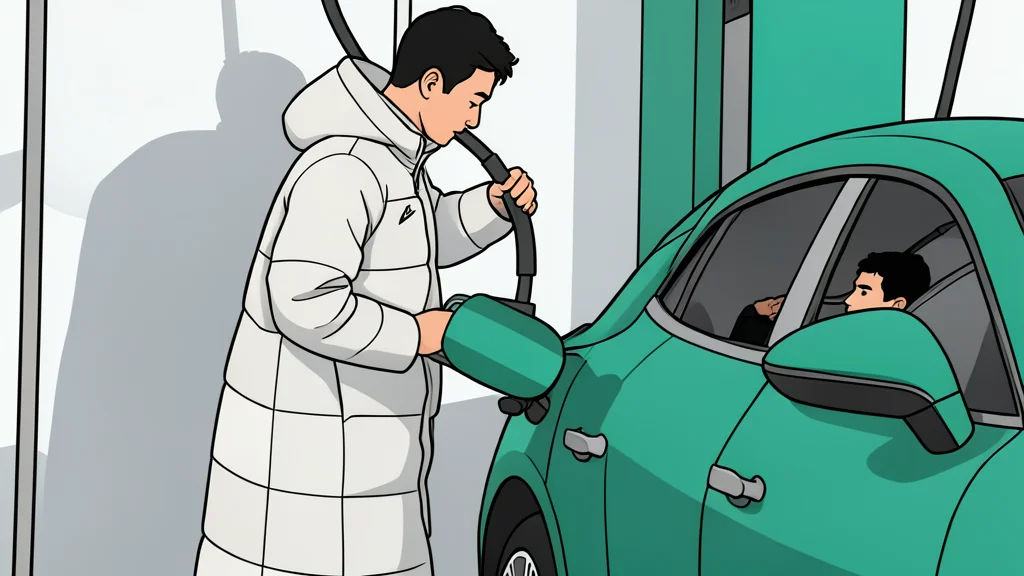
BYD has introduced a second-generation Blade Battery that significantly reduces charging times, even in extreme cold. The technology aims to close the gap with gasoline refueling while maintaining high energy density.
BYD has unveiled a new iteration of its Blade Battery technology designed to address the primary friction point for electric vehicle adoption: charging speed. The Chinese automaker claims that the second-generation battery allows drivers to go from 20 percent to 97 percent charge in approximately nine minutes under standard conditions. This represents a significant leap from previous standards, where full charges often required considerably longer, and moves the technology closer to the convenience of refueling a gasoline vehicle.
The development is particularly relevant for drivers in colder climates, where battery performance typically degrades. BYD conducted tests at -30 degrees Celsius (roughly -22 Fahrenheit) to evaluate how the new cells handle extreme cold. In these conditions, the battery took 12 minutes to reach the same 97 percent charge level, a difference of only three minutes compared to room temperature. This suggests that the internal heating and management systems are effectively mitigating the usual winter penalties associated with lithium-ion storage.
Extreme cold performance metrics
Beyond charging speed, the durability of the battery in low temperatures is a critical factor for range. According to reports from GN auto tech/ev: electric vehicle, the second-generation Blade Battery retained over 85 percent of its capacity during the sub-zero tests. This means that while drivers may still experience a reduction in range, the loss is capped at roughly 15 percent. For commuters in northern regions, this is a meaningful improvement over older battery chemistries that can suffer more drastic capacity drops when exposed to freezing conditions.
Laboratory results versus real world
It is essential to contextualize these figures. The nine-minute and twelve-minute charge times are derived from company-conducted laboratory tests. Real-world performance can vary based on the state of the battery, ambient weather conditions, and the specific power output of the charging station. Additionally, the claim of high energy density implies that the battery pack remains relatively lightweight, which helps preserve vehicle efficiency and handling. However, until independent third-party audits are widely available, these figures should be viewed as manufacturer targets rather than guaranteed everyday experiences.
The trade-off for speed
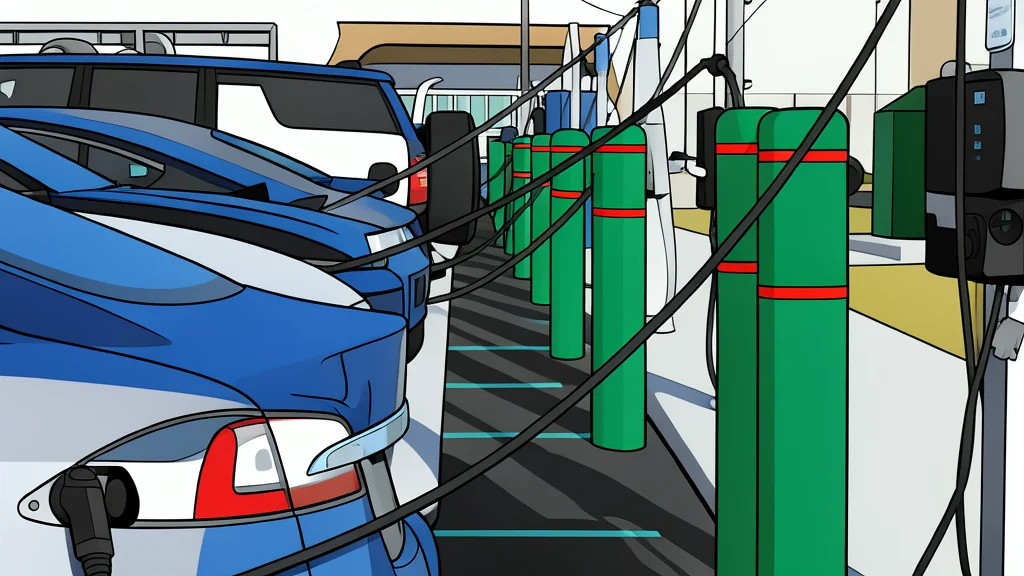
Achieving such rapid charging rates requires significant infrastructure support. The ability to deliver power quickly without overheating the cells places a higher demand on the electrical grid and the charging hardware. For consumers, this means that the benefits of the new Blade Battery are fully realized only where high-power DC fast chargers are available. In areas with limited charging infrastructure or older, lower-power stations, the advantage of the new technology will be less pronounced, potentially limiting its appeal for those without access to the necessary network.