CATL Unveils Battery Platform for 1,000 Km Truck Range
A new modular battery system promises to extend the range of electric trucks to 1,000 kilometers and cut charging times to 25 minutes, targeting the heavy-duty transport sector.
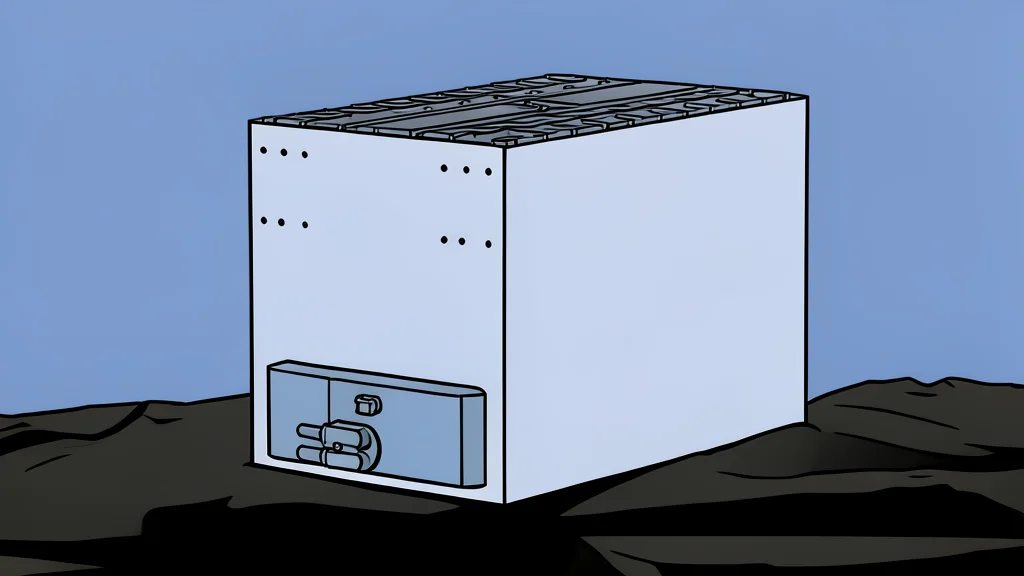
CATL has introduced its TECTRANS II battery platform, a modular system designed specifically for heavy-duty trucks, medium-duty vehicles, and buses. The company unveiled the technology at IAA Transportation 2026 in Hanover, positioning it as a solution for the long-haul electric transport sector where range and uptime are critical operational factors.
In its largest configuration, the platform claims to deliver up to 1,000 kilometers of driving range. Additionally, CATL states that the system can recharge to 80 percent capacity in just 25 minutes using megawatt-level fast-charging infrastructure. These specifications aim to address the primary barriers preventing the widespread adoption of electric trucks in long-distance logistics.
Charging speed meets range requirements
For commercial trucking, the ability to recharge quickly is often as vital as the distance a vehicle can travel on a single charge. The TECTRANS II supports both central-drive systems and electric axle architectures, giving manufacturers flexibility in how they integrate the powertrain. The platform also retains compatibility with battery swapping, allowing operators to choose between plugging in and swapping packs based on local infrastructure availability.
Standardization reduces development costs
A key feature of the new platform is its standardized architecture, which fixes external dimensions, electrical interfaces, and communication protocols. According to reports from GN auto tech/ev: electric vehicle, this approach allows battery technology to evolve without requiring manufacturers to redesign entire vehicle platforms. CATL estimates this modularity could shorten vehicle development cycles by up to 50 percent and reduce research and development costs by 60 to 70 percent.
The trade-off for this standardization is a reliance on specific infrastructure and interface standards that must be maintained across different vehicle models. While this reduces engineering complexity, it requires a consistent supply chain and infrastructure rollout to realize the cost savings. Manufacturers benefit from fewer unique parts, but they must commit to a long-term strategic partnership with the battery provider.
Higher density increases payload capacity
The battery achieves a gravimetric energy density of 170 Wh/kg, which CATL claims is approximately 13 percent higher than the current industry average. This increased efficiency allows vehicles to carry roughly 0.6 tonnes of additional payload compared to systems using lower-density cells. The design also features a full-tab, low-impedance structure that delivers 96 percent round-trip efficiency, minimizing energy loss during charging and discharging.
The platform is engineered for a lifespan of 12 years or 1.5 million kilometers, aligning with the high-mileage demands of commercial fleets. However, the 1,000 km range figure is based on ideal conditions, and real-world performance will vary depending on payload, weather, and road conditions. Operators should expect actual range to be lower than the headline number, particularly under heavy loads or in extreme temperatures.