Chinese EVs Gain Ground in Australia
Chinese electric vehicle brands are rapidly reshaping the Australian market, with sales records and local adaptations driving their popularity.
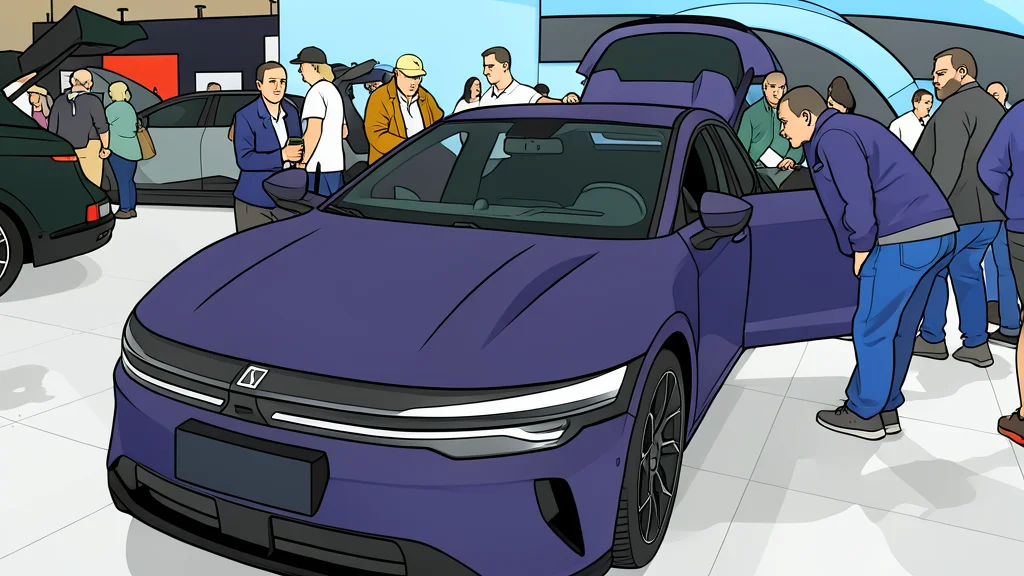
The Everything Electric Sydney 2026 show has become a stage for a significant shift in the Australian automotive landscape. Chinese new energy vehicle manufacturers, including BYD, Chery, and MG, are no longer niche players but are commanding attention with models that appeal to local drivers. This presence is driven by a combination of competitive pricing, advanced technology, and a faster response to market feedback than many traditional rivals.
According to the Federal Chamber of Automotive Industries, battery electric vehicle sales in Australia surged by 171 percent year-on-year in August, setting a new monthly record. Five Chinese brands now rank among the top ten in the country for new-vehicle sales. This growth reflects a changing consumer mindset, where previous concerns about range and infrastructure are being outweighed by the practical benefits of lower running costs and improved vehicle features.
Shifting Consumer Perceptions
For years, Australians were hesitant to adopt electric vehicles due to the country’s vast distances. However, as reported by GN auto tech/ev, this hesitation is fading. Dan Caesar, CEO of Everything Electric, notes that first-hand experience is changing minds. Consumers are realizing that modern electric vehicles perform just as well in Australian conditions as they do elsewhere, leading to a steady increase in test-drive bookings and purchases.
The appeal lies in more than just price. Executives from Chinese automakers emphasize that competitiveness includes design, quality, and the variety of powertrain options available. Stan, an EV owner from Kangaroo Island, represents this shift, stating he loves his current Chinese-brand car and is already considering an upgrade after seeing new models at the show. This level of customer loyalty suggests that the brands are successfully meeting local expectations.
Localization Drives Market Fit
A key factor in this success is the speed at which these manufacturers adapt their products to Australian needs. MG Australia’s marketing director, Dimitri Andreatidis, explains that local feedback is directly incorporated into vehicle tuning and specifications. For example, the MG U9 was calibrated based on Australian driving habits and preferences, ensuring the car feels right at home on local roads.
GAC International is taking a similar approach by expanding its physical infrastructure. The company has signed up 49 local dealers and plans to increase this number to 60 this year. To support this growth, GAC has established a local parts warehouse in Australia. This move aims to improve after-sales service and reduce wait times for repairs, addressing a common pain point for electric vehicle owners.
The Trade-Off of Speed
While the rapid expansion offers consumers more choice and better value, it also brings challenges. The speed at which models are updated and localized can sometimes outpace the development of the supporting infrastructure, such as charging networks and service centers. However, companies like GAC are mitigating this by investing heavily in local supply chains and dealer networks, ensuring that the promise of the vehicle is backed by reliable support.
The entry of multiple Chinese brands has intensified competition, which ultimately benefits the consumer through lower prices and higher standards. As Lu Wen, CEO of Chery Motor Australia and New Zealand, notes, competitiveness is about more than just price; it is about the total value proposition. This dynamic is pushing all automakers, including established European and American brands, to innovate and respond more quickly to market demands.
The trend is clear: Chinese electric vehicles are becoming a mainstream choice in Australia. The combination of technological innovation, localized design, and aggressive market entry strategies is setting a new benchmark for the industry. As the market continues to grow, the focus will likely shift from mere adoption to long-term reliability and service excellence, areas where these brands are now making significant investments.