EV Interest Climbs as Gas Prices Rise Despite Policy Shifts
New data indicates that rising fuel costs are driving stronger interest in electric vehicles, even as new car sales slow down due to the loss of federal tax credits.
A new industry report reveals that more than half of U.S. drivers are now more open to buying an electric vehicle than they were a year ago. This shift in sentiment is largely driven by the persistent rise in gasoline prices, which has made the lower running costs of EVs a compelling financial argument. However, this growing interest exists alongside a contradictory market reality: new EV registrations have actually dropped significantly since last year.
According to the HERE-SBD EV Index 2026, published by HERE Technologies and SBD Automotive, this disconnect between consumer desire and actual sales highlights a complex transition period. The study, which surveyed over 4,000 drivers across the U.S., Europe, India, and Australia, suggests that while the market is cooling off due to regulatory changes, the underlying consumer appetite for electrification is strengthening rather than weakening.
Policy changes slow sales but not interest
The drop in sales is primarily attributed to the expiration of federal tax credits in late 2025, which removed a significant financial incentive for buyers. As a result, U.S. EV market share has fallen to approximately 5.37 percent year-to-date. Yet, the sentiment data tells a different story. Non-EV drivers are increasingly expressing an intention to switch away from gasoline vehicles, with a notable reduction in those who plan to buy a gas car next.
Furthermore, the number of drivers who perceive no barriers to adopting an EV has doubled in just one year. Robert Fisher of SBD Automotive notes that this surge in confidence is a leading indicator for future purchasing behavior. Even as the immediate sales numbers decline due to the loss of subsidies, the psychological barrier to entry is lowering, suggesting a potential rebound in demand once other market factors align.
Charging infrastructure fears are fading
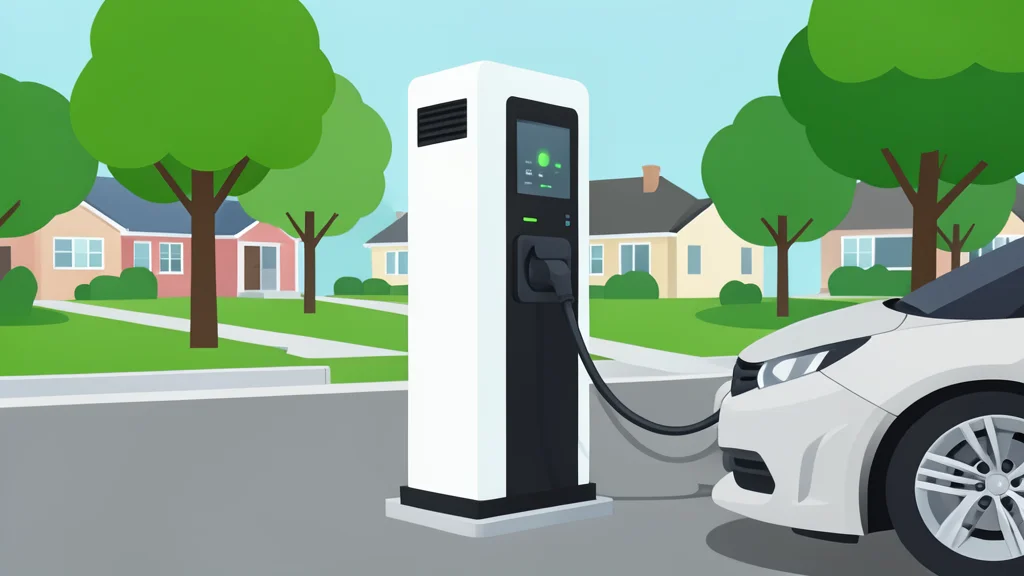
For years, range anxiety and the fear of running out of charge have been the primary obstacles to EV adoption. That concern is now receding rapidly. The study found that nearly half of U.S. drivers now believe the country has a reasonable number of public chargers, up from just 28 percent last year. This optimism is supported by substantial infrastructure growth, with the U.S. adding over 31,000 public charging points during the study period.
Total charging power in the country has also increased by 47 percent, leading to faster charging times at existing stations. Current EV owners are the most convinced, with 85 percent rating public charging coverage as good or better. While challenges remain for apartment dwellers without home charging access, the majority of drivers who can plug in overnight report that the real-world experience of owning an EV has exceeded their expectations, particularly regarding range and ease of use.
Affordability becomes the primary barrier
With infrastructure concerns diminishing, affordability has emerged as the new sticking point. Value for money is now the top reason cited by drivers considering an EV, narrowly edging out performance and lower running costs. This shift in priorities is influencing how automakers approach their product development. Manufacturers are increasingly focusing on creating more affordable electric models, such as cheaper electric trucks, to capture a broader segment of the market that is price-sensitive.
The data suggests that the future of EV adoption depends less on technological breakthroughs and more on economic competitiveness. As gasoline prices continue to fluctuate, the financial case for electric vehicles becomes stronger for a wider audience. The trade-off now is clear: consumers are willing to switch if the upfront cost is manageable, signaling that the industry must prioritize cost reduction to sustain the growing interest shown in the latest survey.